UX Design for AI Professionals
Introduction to UX Design
Designing for People
User Experience (UX) design is the process of making a product or service useful, easy, and enjoyable to interact with. It’s not just about how a product looks; it’s about how it feels and functions. A great user experience is intuitive. It guides you without you even noticing.
Think about a well-designed app you love. You probably don’t get lost, the buttons make sense, and you can accomplish your goals without frustration. That’s good UX at work. On the other hand, a confusing website with broken links and a clunky layout is an example of poor UX. Good design is crucial because it builds trust and keeps people coming back. When a product is easy and pleasant to use, customers are happier and businesses thrive.
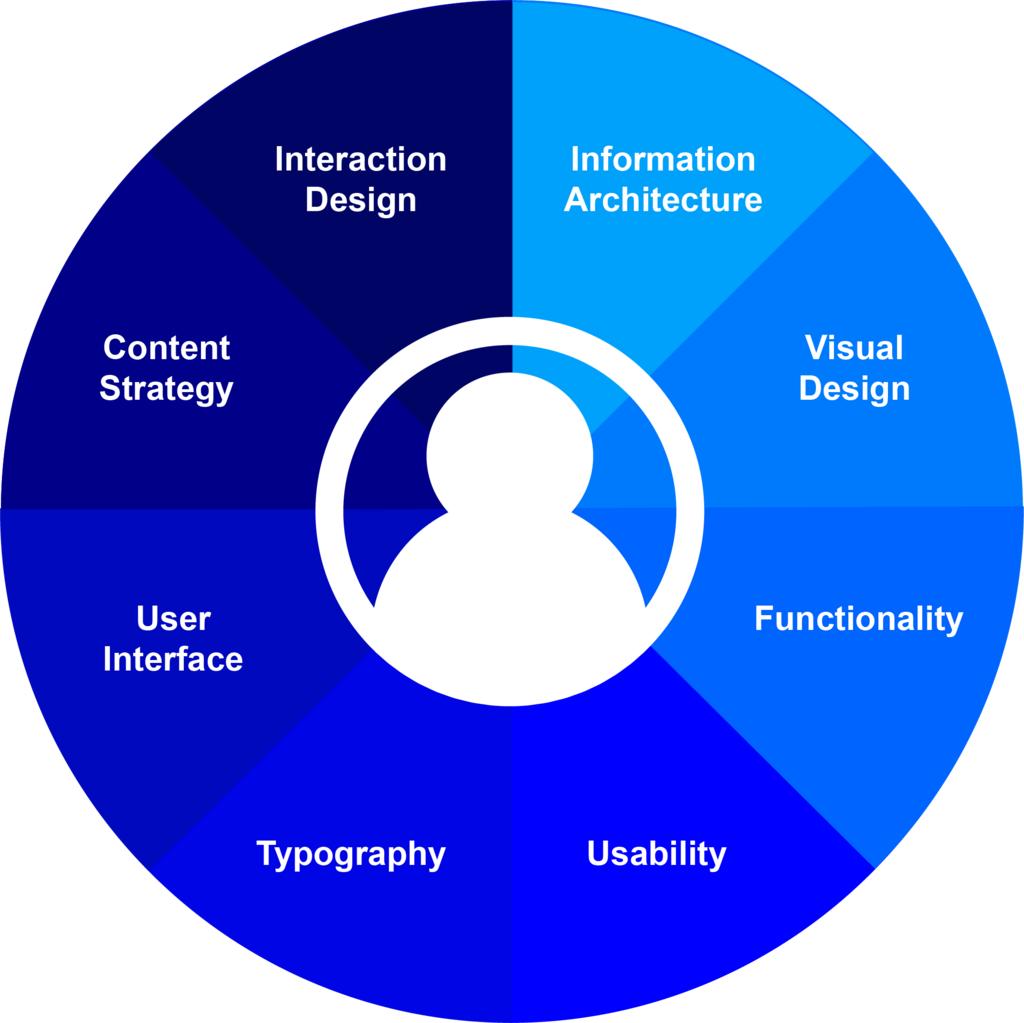
The Core Principles
To create a great experience, designers focus on a few key principles. These are the foundations of effective UX design.
Usability
noun
The ease with which a user can interact with a product to achieve a specific goal.
A product with high usability is straightforward. Users don't need a manual to figure it out. Imagine a door with a flat panel. You know instinctively to push it. A door with a handle suggests you should pull. Usability is about creating those clear, intuitive signals.
Accessibility
noun
The practice of making products usable by people with the widest possible range of abilities.
Accessibility means designing for everyone. This includes people with visual, auditory, motor, or cognitive impairments. Simple things like adding captions to videos, ensuring high color contrast between text and background, and making a site navigable with a keyboard are all part of accessible design. It’s about inclusivity.
Desirability
noun
The emotional appeal of a product that makes it attractive and enjoyable to use.
Beyond being functional, a product should be enjoyable. Desirability is about creating an emotional connection. This comes from the visual design, the tone of the language, and the overall feeling of the interaction. A product can be usable and accessible, but desirability is what makes people love it and choose it over competitors.
Putting the User First
So how do designers achieve good usability, accessibility, and desirability? The answer lies in a methodology called User-Centered Design (UCD). The name says it all: the user is at the center of every decision.
User-centered design (UCD) is a modern, widely practiced design philosophy rooted in the idea that users must take center-stage in the design of any computer system.
Instead of building a product and hoping people like it, UCD involves users throughout the entire process. This approach relies heavily on two key activities: user research and usability testing. By understanding who the users are and what they need, designers can create products that are truly effective.

User research helps designers understand user behaviors, needs, and motivations. This is done through techniques like interviews, surveys, and observing people in their natural environment. The goal is to build empathy for the user and gather insights that inform the design.
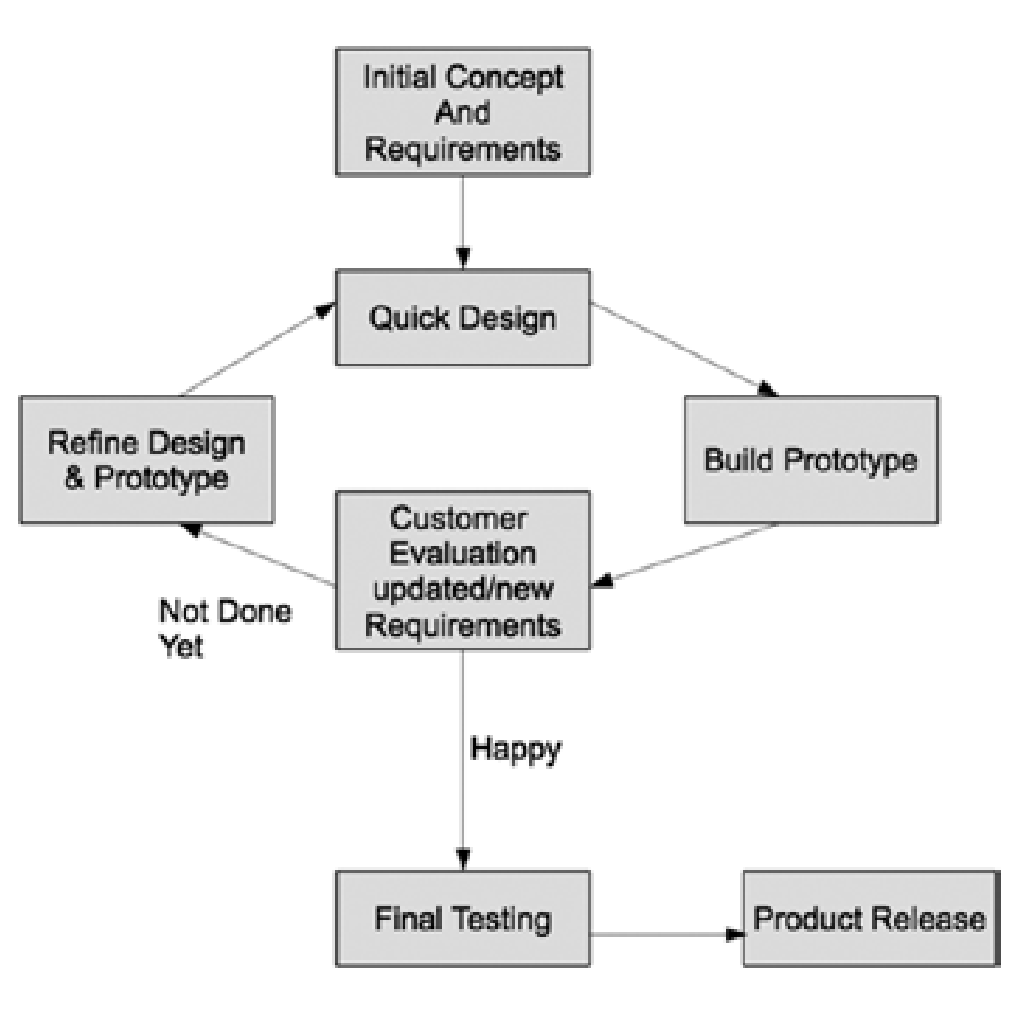
Once a preliminary design or prototype exists, it’s time for usability testing. This involves watching real users try to complete tasks with the product. It’s not about quizzing them; it's about observing where they struggle or get confused. This feedback is then used to refine the design in an iterative cycle of building, testing, and learning.
Ready to check your understanding? Let's see what you've learned about the fundamentals of UX design.
What is the primary goal of User Experience (UX) design?
A design team ensures their website's text has high contrast against the background and that all images include descriptive alternative text for screen readers. Which key principle are they focusing on?
By focusing on usability, accessibility, and desirability through a user-centered approach, designers can create products that don't just work, but feel great to use. This foundation is key to solving real problems for real people.