User Experience Design Fundamentals
Introduction to UX Design
What is User Experience?
Think about the last time you used a new app. Was it easy to figure out? Did you find what you were looking for without getting frustrated? That overall feeling—whether it was smooth and satisfying or confusing and annoying—is the user experience, or UX.
User experience isn't just about digital products. It’s the feeling you get from using a well-designed ketchup bottle that doesn't make a mess, or pushing a door that opens the way you expect it to.
User Experience (UX)
noun
The overall experience a person has when using a product or service, especially in terms of how easy or pleasing it is to use.
UX design is the process of making technology, products, and services useful, usable, and enjoyable for people. It’s a broad field that focuses on the entire journey a person takes with a product, from the moment they first hear about it to the final interaction.
UX vs UI
People often confuse User Experience (UX) with User Interface (UI), but they are not the same. They are related, but they play different roles.
Think of building a house. UX is the architectural blueprint. It's about the foundation, the number of rooms, how you move from one space to another, and whether the layout makes sense for the family living there. It’s the core structure and flow.
UI, on the other hand, is the interior decoration. It’s the color of the paint, the style of the furniture, the type of faucets, and the lighting fixtures. It’s all about the look and feel.
A beautiful house (good UI) with a confusing layout (bad UX) is still a frustrating place to live. Both UX and UI need to work together to create a great experience.
| Feature | UX (User Experience) Design | UI (User Interface) Design |
|---|---|---|
| Focus | The overall feeling and journey | The visual look and feel |
| Goal | Make the product useful and logical | Make the product beautiful and interactive |
| Deals With | User research, information architecture, strategy | Visual design, graphic elements, layout |
| Analogy | The skeleton and organs | The skin and clothes |
UI design is a key part of the overall UX, but it's only one piece of a much larger puzzle. Good UX starts long before any visual design happens.
Why Good UX Matters
Investing in UX isn't just a nice-to-have; it's essential for success. When a product has good UX, people are more likely to use it, trust it, and recommend it to others. It directly impacts customer satisfaction and loyalty.
For a business, this means happier customers, better reviews, and a stronger bottom line. For users, it means technology that solves their problems without causing new ones. It saves them time and reduces frustration.
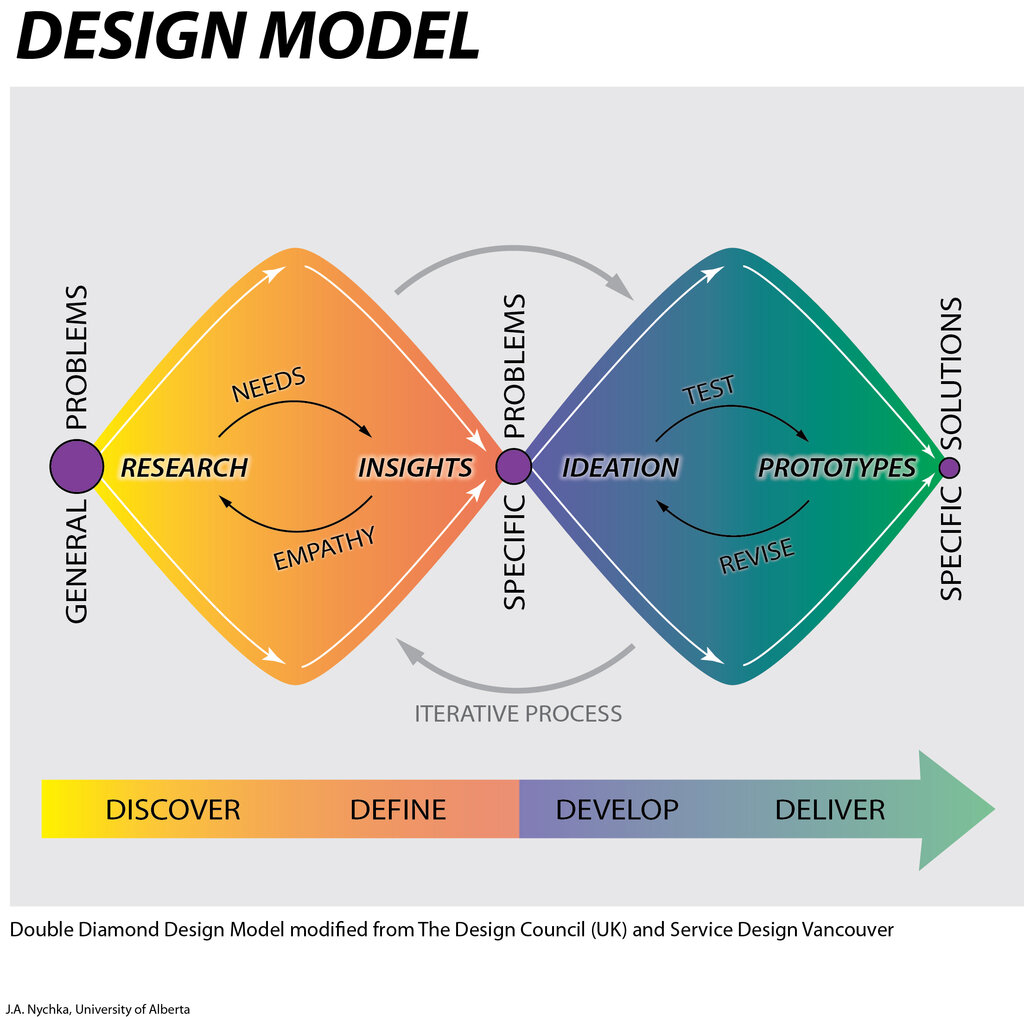
Think about an online store. If you can easily find the search bar, filter results, and check out in a few simple steps, you've had a good user experience. You'll likely return to that store. But if the site is slow, buttons are hidden, and the checkout process is confusing, you'll probably leave and buy from a competitor. That's the power of UX.
One key to a successful web application is to offer a positive user experience (UX), which is how the user feels about the application while engaging with it.
Key Principles of UX
While there are many aspects to UX design, a few core principles guide the practice. These help designers create experiences that truly work for people.
User-Centered: The design process should always revolve around the user. This means understanding their needs, goals, and limitations through research and testing. You're designing for them, not for yourself.
Consistency: Elements that look the same should behave the same. A consistent design is predictable and easy to learn. Users shouldn't have to wonder what a button does or where to find the menu on different pages.
Accessibility: Products should be usable by everyone, regardless of their abilities. This includes designing for people with visual, motor, auditory, or cognitive impairments. Good UX is inclusive.
Clarity: The interface should be clear and easy to understand. Users should know where they are, what they can do, and what will happen when they take an action. Avoid jargon and ambiguity.
What is the primary focus of User Experience (UX) design?
In the common analogy of building a house, User Experience (UX) is the architectural blueprint, while User Interface (UI) is the _______.
By keeping these foundational ideas in mind, designers can create products that are not only functional but also a pleasure to use.