USA Gold Delinking Explained
Introduction to the Gold Standard
What Was the Gold Standard?
The gold standard was a monetary system where a country's currency value was directly linked to a specific quantity of gold. Think of it as a promise. The government promised that every dollar, pound, or franc in circulation was backed by a real, physical amount of gold held in its vaults. You could, in theory, walk into a bank and exchange your paper money for an equivalent value in gold coins or bars.
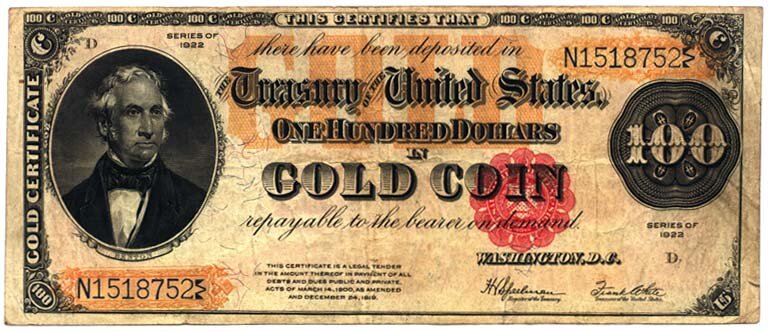
This system wasn't just a domestic policy; it had major international implications. Because each country on the gold standard set a fixed price for gold in its own currency, it also created a system of fixed exchange rates between those countries. For example, if the U.S. dollar was worth 1/20th of an ounce of gold and the British pound was worth 1/4 of an ounce, then one British pound was always worth five U.S. dollars. This direct link to a physical commodity was meant to ensure the stability and value of money.
A Golden History
Using precious metals as money is an ancient practice. For centuries, economies ran on gold and silver coins. The formal gold standard, however, is more recent. Great Britain was the first to adopt it, effectively doing so in the early 18th century and formalizing it in 1821.
Other major countries followed over the next century, creating an international gold standard by the late 1800s. The United States officially adopted it with the Gold Standard Act of 1900. This law defined the dollar in terms of gold, setting a specific price.
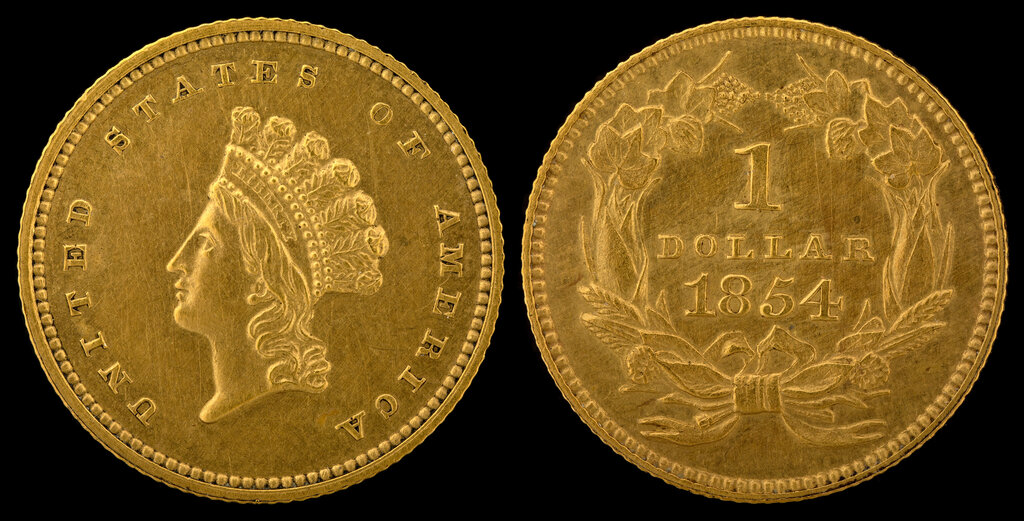
This meant the U.S. Treasury was committed to exchanging dollars for gold, and vice versa, at this fixed rate. The amount of money in circulation was therefore limited by the amount of gold the country held in its reserves.
Advantages and Disadvantages
The gold standard had some clear benefits, which is why it was so widely adopted. Its biggest advantage was price stability. Since the money supply was tied to the amount of gold, governments couldn't simply print more money to pay off debts. This kept inflation in check. The fixed exchange rates also made international trade and investment less risky, as businesses didn't have to worry about currency values fluctuating wildly.
Under the gold standard, a country's currency had a value that was directly tied to something real and tangible.
However, the system had significant drawbacks. Its inflexibility was a major one. If a country's economy fell into a recession, the government couldn't use monetary policy—like increasing the money supply—to stimulate growth. Its hands were tied by its gold reserves.
Furthermore, the global money supply was dependent on new gold discoveries. A gold rush could lead to inflation, while a lack of new discoveries could restrict economic growth. A country might also suffer a drain on its gold reserves if it imported more than it exported, forcing it to contract its money supply and potentially causing a recession.
| Pros | Cons |
|---|---|
| Price Stability: Limited inflation because money supply was tied to gold reserves. | Inflexibility: Limited a government's ability to respond to economic downturns. |
| Fixed Exchange Rates: Made international trade and investment more predictable. | Resource Dependent: Money supply depended on the unpredictable discovery of new gold. |
| Confidence: Fostered public trust in the currency because it was backed by a physical asset. | Deflationary Pressure: A trade deficit could lead to an outflow of gold, shrinking the money supply. |
Let's test your understanding of these core concepts.
What was the primary benefit of the gold standard for international trade?
A major drawback of the gold standard was its inflexibility, which limited a government's ability to use monetary policy to fight an economic recession.
The gold standard was a pivotal chapter in economic history, shaping global finance for nearly a century by anchoring the value of money to a precious metal.