US Women's History: Evolution and Impact
Colonial Gender Roles
The Invisible Legal Identity
When an English woman married in the American colonies, her legal identity was absorbed by her husband's. This principle, known as coverture, meant that a married woman, or a feme covert, had no independent standing in the eyes of the law. She could not own property, sign contracts, or sue in court. Her wages, her body, and her children were legally his. In essence, husband and wife became one person—and that person was the husband.
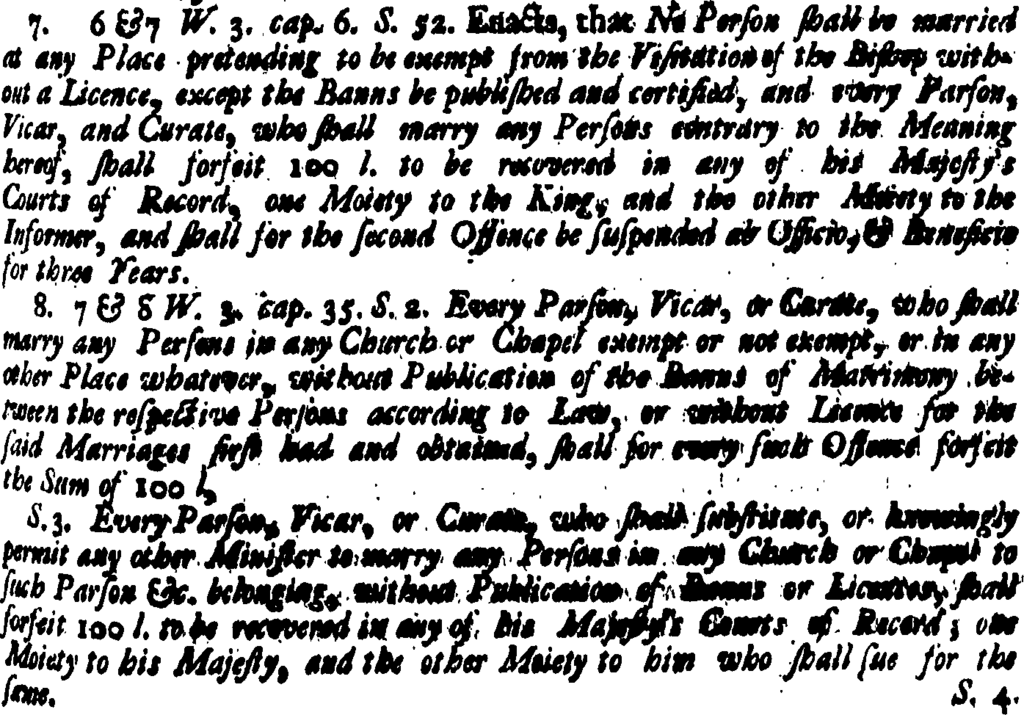
This legal framework was based on English Common Law and was designed to maintain a patriarchal social order. Unmarried women and widows, known as femes sole, had more autonomy. They could own property and run businesses, but social pressure to marry was immense. For most women, coverture was an inescapable reality that defined their lives from the moment they said "I do."
Deputy Husbands
Despite their limited legal rights, many colonial women were far from passive. The practical demands of life often required them to act with considerable authority. When men were away—at sea, at war, or on business—their wives often stepped into the role of "deputy husband."
In this capacity, women managed farms, ran shops, and conducted business transactions. They were not acting as independent agents, but as their husbands' representatives. Their authority was temporary and derivative, but it gave them vital experience in the economic sphere. A woman running a tavern or a print shop while her husband was gone was a common sight. She was upholding the family's interests, and her competence was essential for survival.
A woman's work wasn't just domestic; it was crucial to the household's economic engine. From churning butter and spinning wool to managing accounts, her labor was indispensable.
Divergent Paths
A woman's experience was profoundly shaped by her race and status. For white women in Puritan communities, life was centered on a family-labor model. The household was a unit of production, and the wife was a partner in that enterprise, however unequal the partnership. Her role was to raise pious children and manage the domestic sphere in a way that supported the family's economic and spiritual well-being.
For enslaved Black women, the situation was tragically different. The concept of coverture was largely irrelevant because enslaved people had no legal rights to begin with. They could not legally marry. Instead of their labor and reproductive capacity being absorbed by a husband, it was owned and exploited by a master. Their motherhood was commodified; their children were born into slavery, adding to the wealth of the enslaver. The domestic sphere, a place of some authority for white women, offered no such refuge for enslaved women.
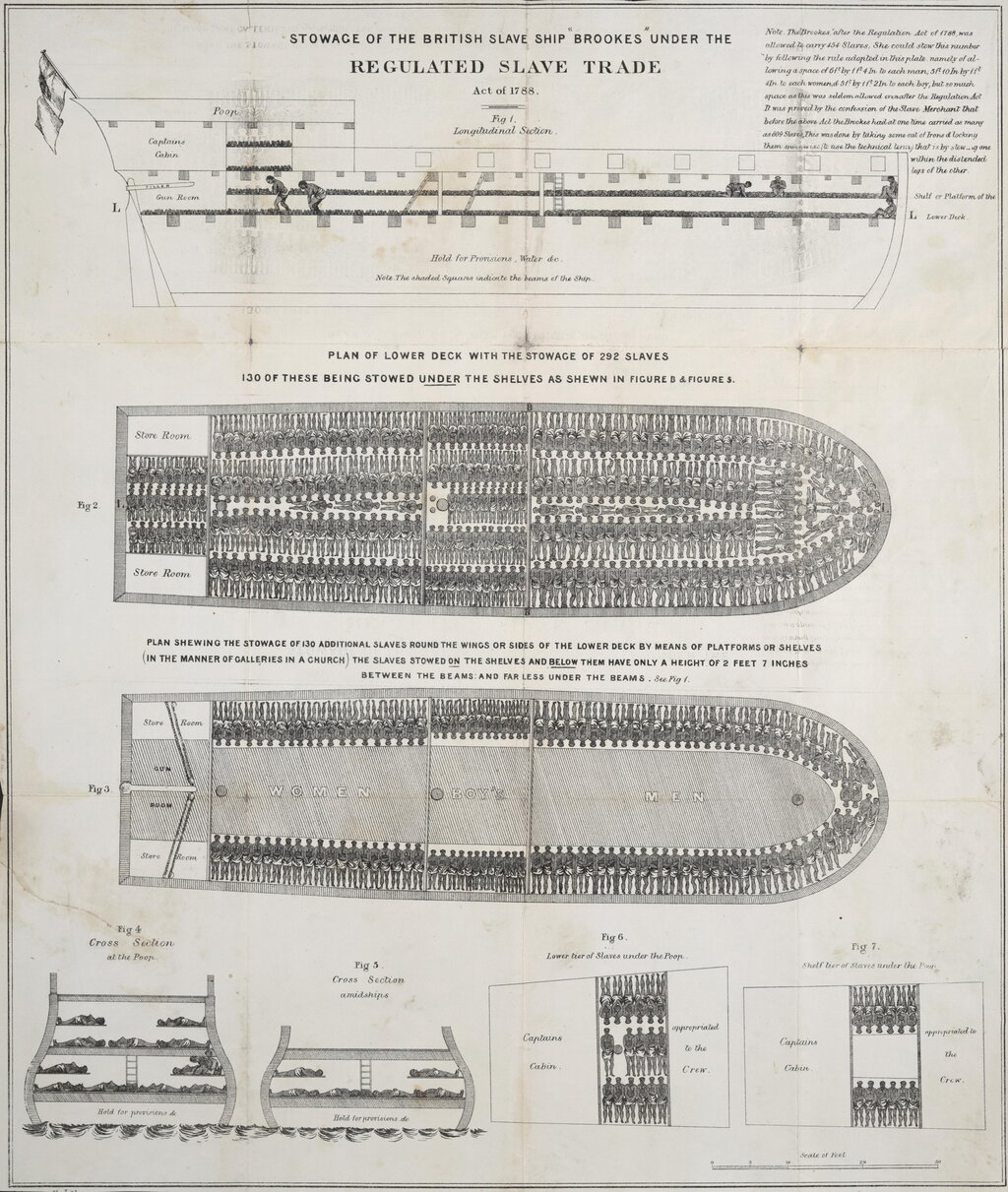
This created a stark divide. While a white "deputy husband" managed her household as a temporary steward for her husband, an enslaved woman's labor built wealth she would never see. Her children were not her own in the eyes of the law. This fundamental difference highlights how race and the institution of slavery created vastly different realities for women in colonial America.
Religion and Resistance
Religious communities sometimes offered women alternative roles. In Quaker society, for example, women had a more prominent spiritual standing than in many other denominations. The Quaker belief in an "inner light" present in all people meant that women could be recognized as ministers and speak in meetings. They traveled, preached, and held their own separate women's meetings to manage community affairs. This did not negate the legal realities of coverture, but it provided a space for public influence and spiritual authority that was rare elsewhere.
represents another side of this coin. A Puritan spiritual leader in the Massachusetts Bay Colony, she challenged the authority of the male clergy by holding religious meetings in her home. Her intelligence and theological arguments drew a large following, but she was seen as a threat to the established order. In 1637, she was tried for heresy, convicted, and banished from the colony. Her case is a stark reminder of the strict limits placed on women who stepped too far outside their prescribed roles, even in the name of faith.
These early frameworks of law, labor, and religion set the stage for the long struggle for women's rights. The limitations imposed by coverture and the vastly different paths of free and enslaved women created a complex social fabric. Understanding these colonial roots is key to understanding the challenges and triumphs that would follow.
What is the principle of 'coverture' as it applied to married women in the American colonies?
How did the legal status of an unmarried woman (feme sole) differ from that of a married woman (feme covert)?