US Venezuela Relations Explained
Early Relations
Forging New Ties
After a long struggle for independence from Spain, Venezuela emerged as a sovereign nation. Initially part of the larger republic of Gran Colombia, it went its own way in 1830. The United States, itself a young republic, watched these developments with keen interest. Washington's policy, guided by the Monroe Doctrine, favored the independence of new Latin American nations.
In 1835, the U.S. officially recognized Venezuela's independence. This was more than a symbolic gesture. It was a formal acknowledgment that welcomed Venezuela into the community of nations and opened the door for official diplomatic engagement. This recognition was a crucial first step in building a lasting relationship.
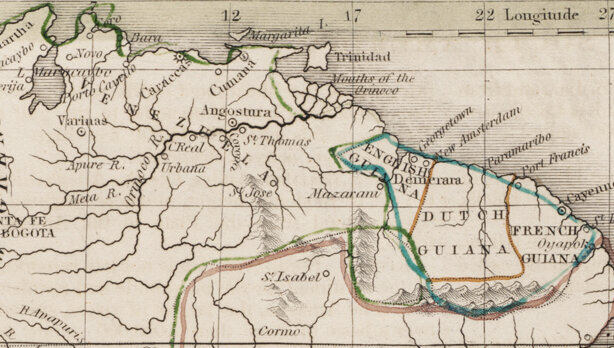
With recognition established, the next step was to create a framework for how the two countries would interact. This led to the establishment of formal diplomatic relations and the opening of consulates. Consulates were particularly important, as they were offices set up in port cities to handle the practical matters of trade and to assist American and Venezuelan citizens abroad.
A Foundation of Commerce
The relationship was solidified on January 20, 1836, with the signing of the Treaty of Peace, Friendship, Navigation, and Commerce. This agreement was the cornerstone of early U.S.-Venezuela relations. It set the rules for everything from how ships would be treated in each other's ports to the rights of merchants.
The 1836 treaty wasn't just about diplomacy; it was a practical guide for building economic ties. It guaranteed mutual 'most favored nation' status, meaning each country promised to treat the other's commercial interests as well as it treated those of any other country.
This treaty spurred a healthy trade relationship. Venezuela began exporting agricultural products like coffee, cacao, and hides to the United States. In return, the U.S. shipped flour, textiles, and other manufactured goods to Venezuela. These early economic interactions were mutually beneficial, providing markets for Venezuelan producers and resources for American consumers and industries.
These foundational steps in the 1830s, from diplomatic recognition to the establishment of commercial rules, created a stable and predictable relationship. They set a positive tone for the rest of the 19th century, built on shared interests in trade and navigation.