US Venezuela Oil Policy Unveiled
Venezuela's Oil Industry
A Century of Oil
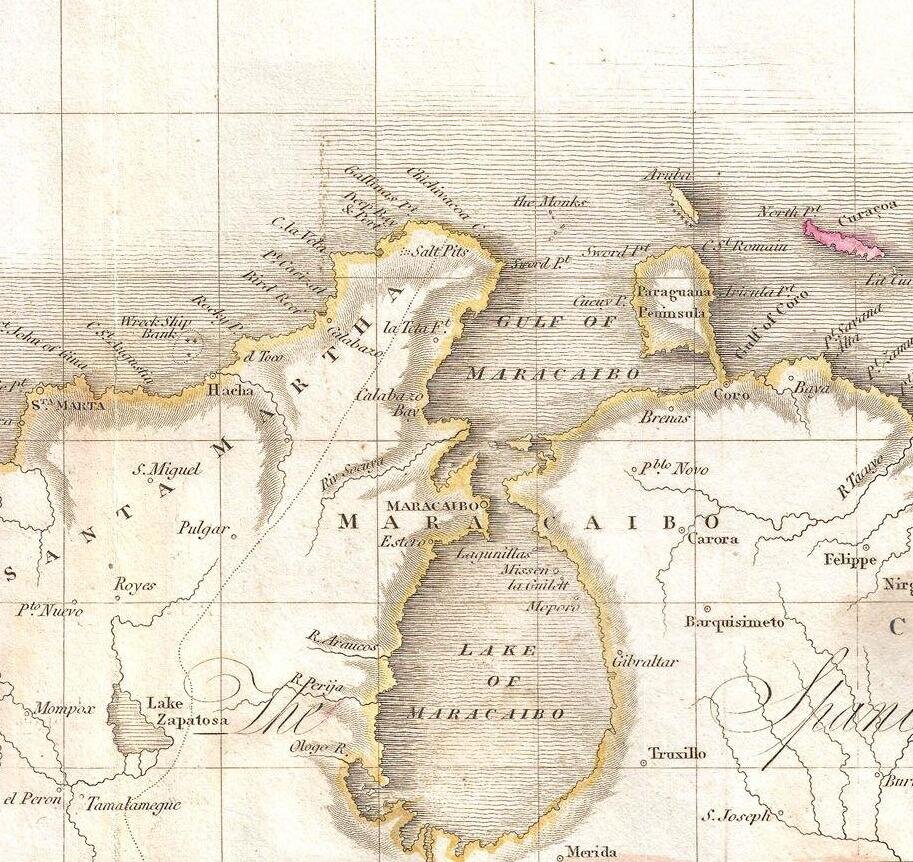
Venezuela's story in the 20th century is inseparable from the story of its oil. For decades, the nation was a poster child for oil-driven prosperity. The discovery of the Mene Grande oilfield in 1914, near Lake Maracaibo, kicked off a boom that transformed the country from a relatively poor agricultural society into a major global energy player.
Foreign companies initially dominated the industry, but a growing sense of national pride and a desire for greater control over this immense resource led to a pivotal moment. In 1976, the Venezuelan government nationalized its oil industry, creating Petróleos de Venezuela, S.A., or PDVSA. This state-owned company was tasked with managing the country's oil wealth and became a symbol of national sovereignty and economic power. For years, PDVSA was respected as a highly competent and efficient national oil company.
The Orinoco's Heavy Burden
Venezuela sits on the largest proven oil reserves in the world. However, not all oil is created equal. The vast majority of Venezuela's reserves, located in the Orinoco Belt, consist of extra-heavy crude oil. This oil is thick, tar-like, and has a high sulfur content. Think of it like molasses or bitumen.
Unlike the light, sweet crude found in places like West Texas, which flows easily, Venezuela's extra-heavy crude is difficult and expensive to extract and process.
To make this oil marketable, it must be upgraded. This involves blending it with a lighter hydrocarbon, called a diluent, or putting it through complex, energy-intensive refining processes to crack the heavy hydrocarbon molecules into lighter, more valuable products like gasoline and diesel. This technical challenge requires specialized infrastructure and significant, sustained investment.
Decay and Disarray
The 21st century has been difficult for Venezuela's oil sector. A combination of factors led to a catastrophic decline in production, turning a story of wealth into one of struggle. Widespread mismanagement and corruption within the industry hollowed out PDVSA's technical capacity and financial strength. Funds that should have been reinvested into maintaining and upgrading essential infrastructure were often diverted.
PDVSA, the state-owned oil company that has dominated Venezuela’s exploitation of its vast oil reserves, has faced other challenges, including ageing infrastructure, underinvestment and mismanagement, as well as the effects of international sanctions.
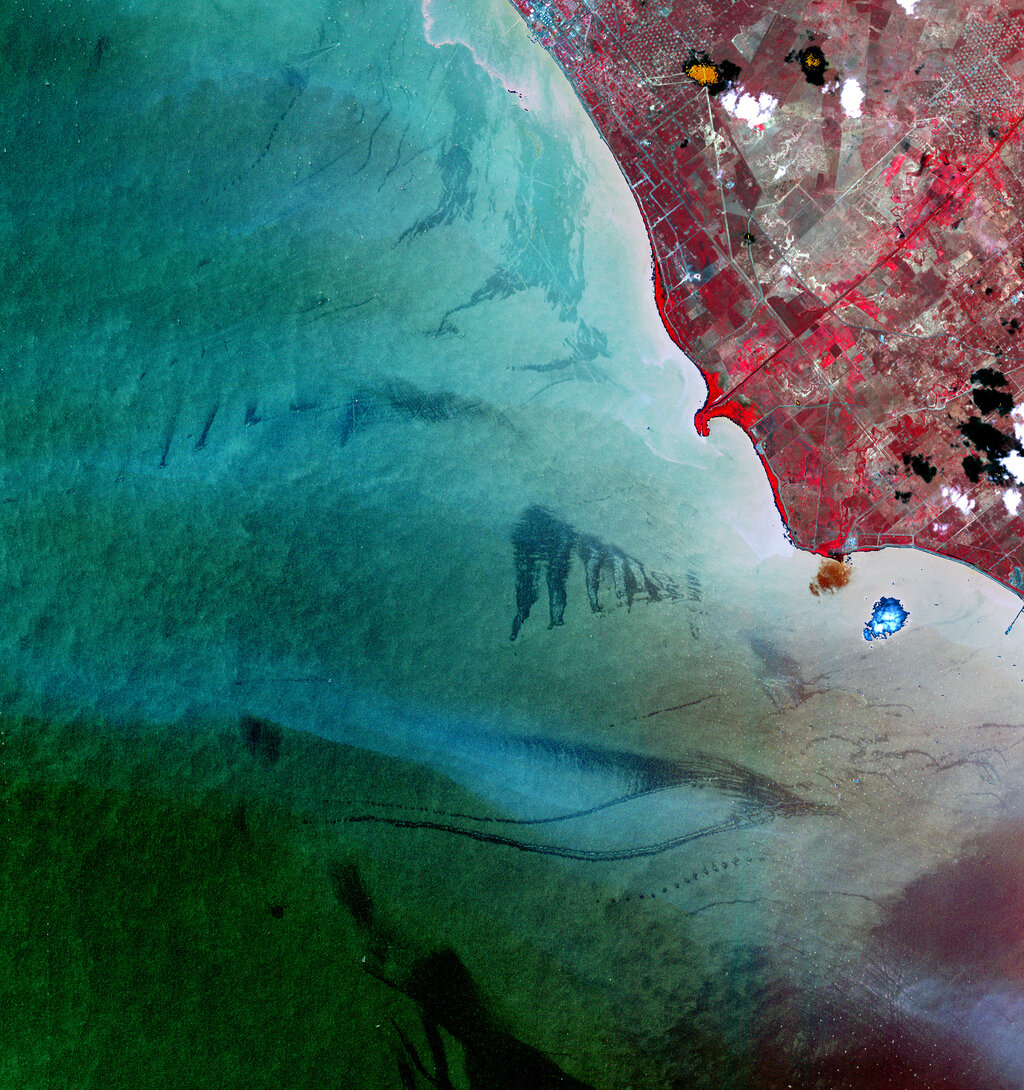
The consequences have been severe. Aging pipelines, refineries operating at a fraction of their capacity, and frequent oil spills became commonplace. The departure of skilled engineers and workers, who left the country or the company seeking better opportunities, further crippled the industry. This brain drain has made it incredibly difficult to operate, let alone repair or expand, the complex machinery of oil production.
On top of these internal problems, international sanctions have squeezed the industry even further. These measures have restricted Venezuela's access to international financial markets, vital equipment, and diluents needed to process its heavy crude. They also limit the number of available buyers for its oil, forcing it to sell at a discount. The combined effect of internal decay and external pressure has sent production plummeting.
The Path Forward
Revitalizing Venezuela's oil industry is a monumental task. It would require massive capital investment to repair and modernize its dilapidated infrastructure, from wells and pipelines to upgraders and refineries. Estimates for the required investment run into the hundreds of billions of dollars.
Beyond money, a turnaround would depend on rebuilding human capital by attracting skilled professionals back to the industry. It would also necessitate deep institutional reforms to tackle corruption and ensure transparent, efficient management. Even with the world's largest reserves under its feet, the road to recovery for Venezuela's oil sector remains long and uncertain. For now, check your understanding of the key concepts from this article.
What pivotal event occurred in 1976 that fundamentally changed the structure of Venezuela's oil industry?
What is the primary technical challenge associated with the majority of Venezuela's oil reserves?