US Territorial Expansion A Geographic Journey
French and Indian War Territories
A New Map for North America
Before 1754, North America was a patchwork of competing claims. British colonies lined the Atlantic coast, while a vast French territory, New France, stretched from Louisiana up through the Great Lakes and into Canada. Both empires wanted control of the rich Ohio River Valley, and their rivalry soon erupted into a conflict known as the French and Indian War.
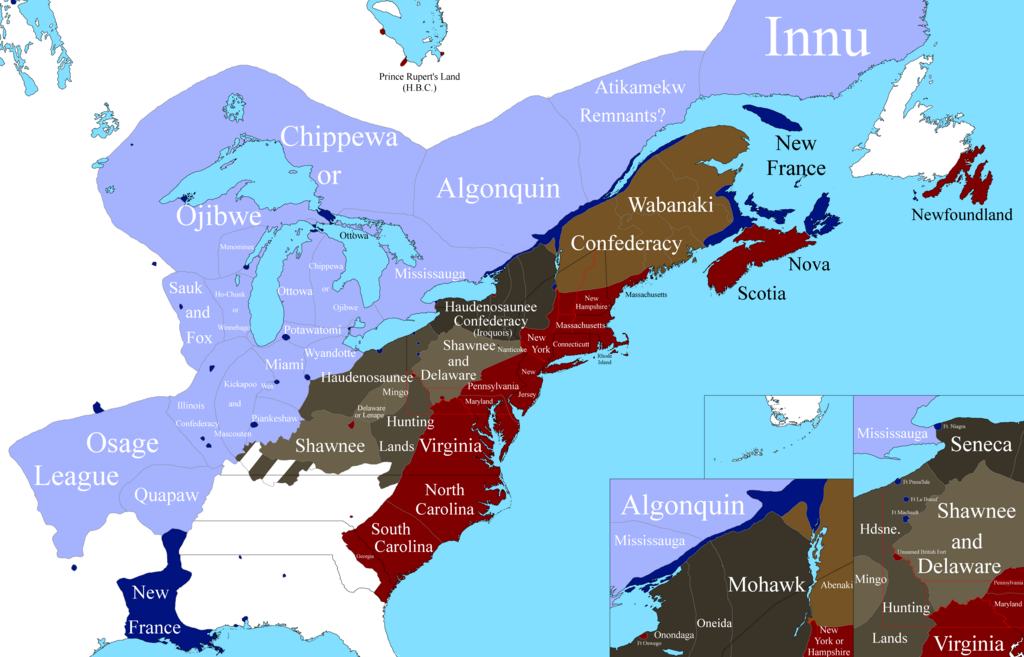
This wasn't just a local skirmish. It was the North American front of a global conflict called the Seven Years' War, with Britain and France fighting for dominance across the globe. After nine years of intense fighting, Britain emerged victorious.
The Treaty of Paris
The war officially ended in 1763 with the signing of the Treaty of Paris. This document completely redrew the map of North America, marking a massive shift in power. For France, the treaty was a devastating loss.
France ceded nearly all of its North American territory to Great Britain. Specifically, it handed over Canada and all French lands east of the Mississippi River.
Spain, which had allied with France late in the war, also paid a price. The Spanish gave Florida to the British in exchange for regaining control of Havana, Cuba, which the British had captured.
In a separate agreement, France compensated Spain for its losses by giving it the Louisiana Territory—the vast expanse of land west of the Mississippi River.
The Aftermath
In a single treaty, Great Britain's North American empire more than doubled in size. Its territory now stretched from Hudson Bay in the north to the Florida Keys in the south, and from the Atlantic coast all the way to the Mississippi River.
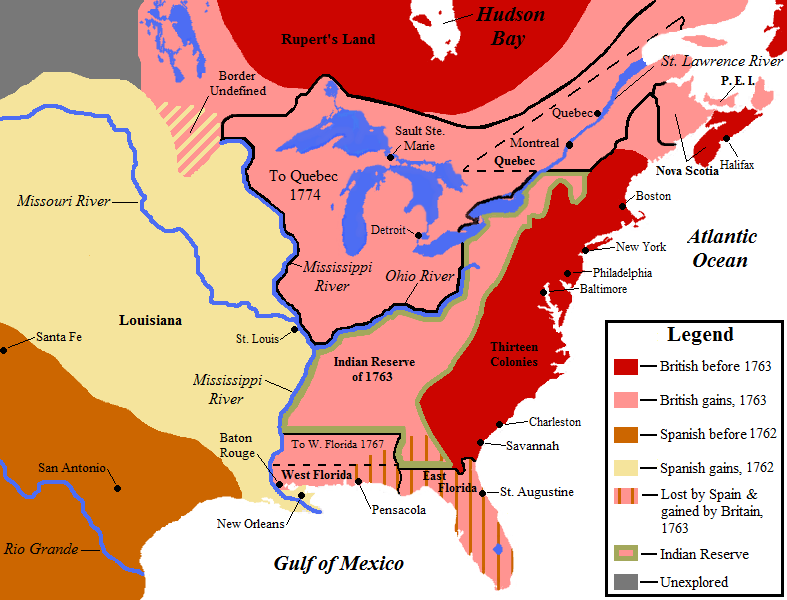
This new geography set the stage for the future United States. When the American colonies declared independence just 13 years later, these newly defined borders became their starting point. The Mississippi River, once a boundary between European empires, would become the first western frontier of the new nation.
The conflict known as the French and Indian War was the North American front of which larger, global war?
The 1763 Treaty of Paris, which ended the French and Indian War, saw Great Britain's North American empire more than double in size.
The war's end dramatically reshaped the continent, but it also created new challenges for the British Empire as it struggled to govern its vast new lands.