US Tax Law Fundamentals
Introduction to U.S. Tax System
From Revolution to Revenue
After the Revolutionary War, the newly formed United States operated under a document called the Articles of Confederation. It created a weak central government that couldn't levy taxes directly. If the national government needed money, it had to ask the states for it, and the states didn't always pay up. This left the country unable to pay its debts or fund a proper army. It was a financial mess.
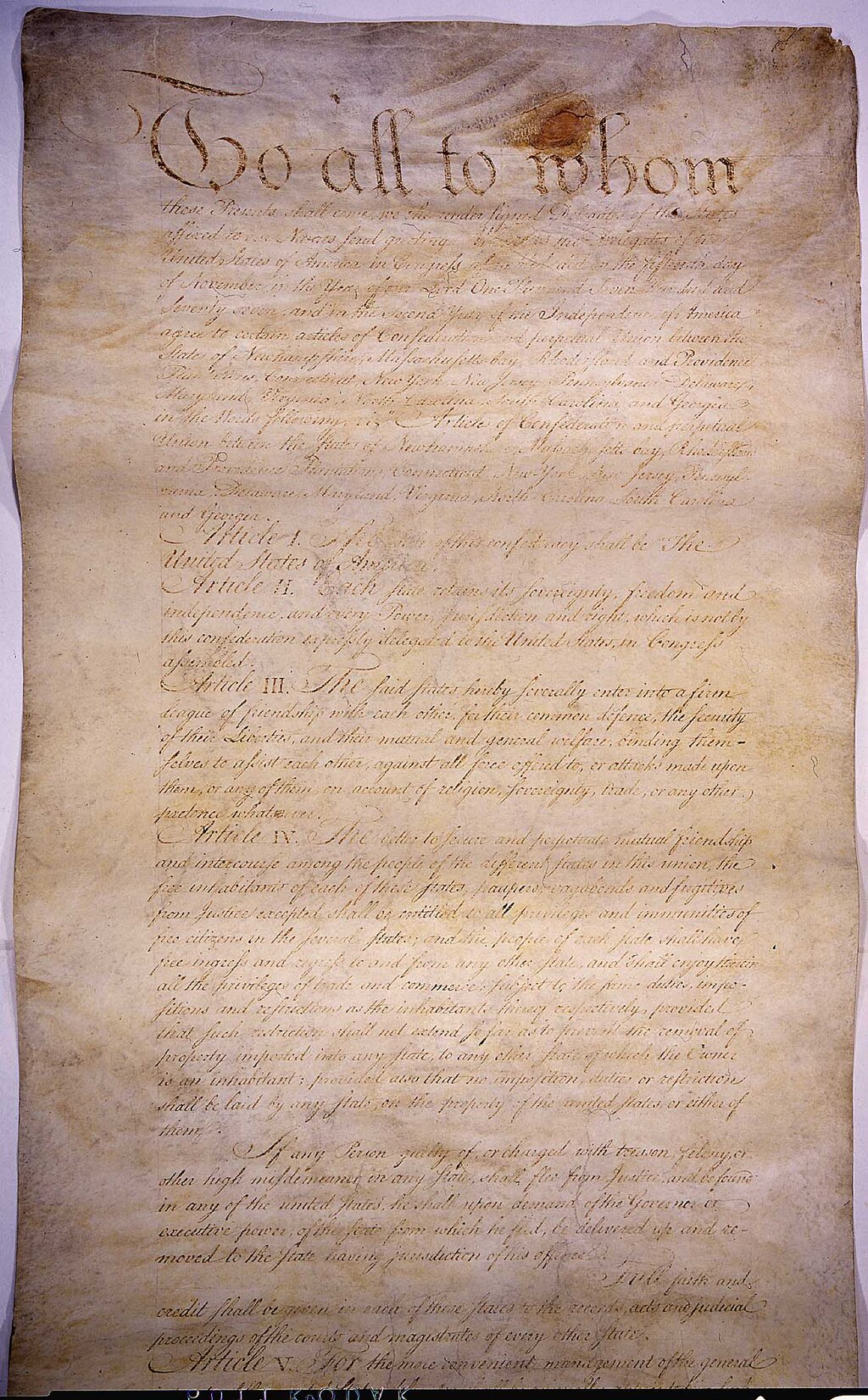
The U.S. Constitution, ratified in 1788, changed everything. It gave the new federal government the power to tax citizens directly. Early on, this power was used to create tariffs, which are taxes on imported goods, and excise taxes on specific products like whiskey. The whiskey tax was so unpopular it led to a violent uprising called the Whiskey Rebellion in the 1790s.
For over a century, these types of taxes were the main source of federal revenue. During the Civil War, the government introduced the first income tax to fund the war effort, but it was temporary. It wasn't until 1913, with the ratification of the 16th Amendment, that the federal income tax became a permanent part of the American financial system.
The Constitutional Power
The government's authority to tax comes directly from the Constitution. Article I, Section 8, Clause 1, known as the Taxing and Spending Clause, grants Congress the power "To lay and collect Taxes, Duties, Imposts and Excises, to pay the Debts and provide for the common Defence and general Welfare of the United States..."
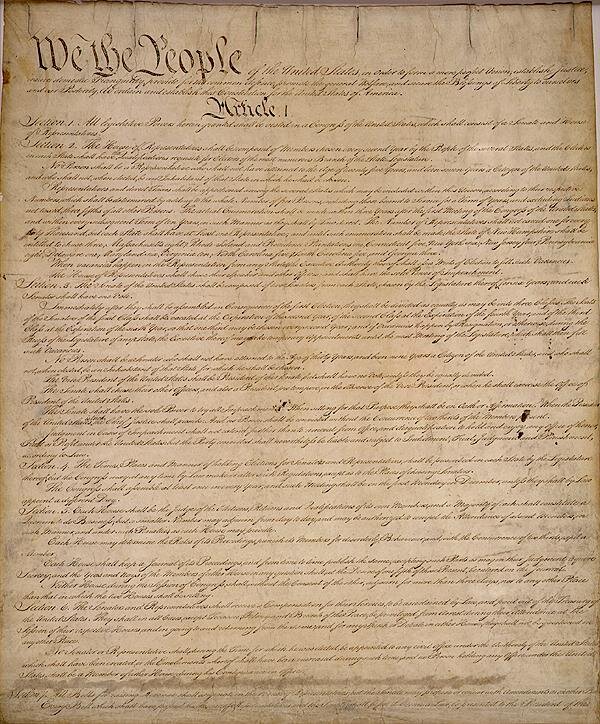
This clause is the bedrock of federal financial power. It allows the government to raise money for everything from building roads and funding the military to running social programs. While this power is broad, it's not unlimited. The Constitution requires that most federal taxes be uniform throughout the country.
The 16th Amendment later clarified and expanded this power specifically for income. It states that Congress has the power to tax incomes "from whatever source derived, without apportionment among the several States..." This paved the way for the modern income tax system we know today.
What Makes a Good Tax?
Creating a good tax system is a balancing act. Economists and policymakers generally agree on a few key principles that should guide tax policy. These ideas help ensure the system is as effective and fair as possible.
A good tax system should be fair, simple, efficient, and transparent.
Let's break these down:
-
Equity (Fairness): A tax system should be fair. This is often the most debated principle. Does fairness mean everyone pays the same amount? Or that those who earn more should pay a higher percentage of their income? Different tax policies are built on different answers to these questions.
-
Simplicity: The rules should be easy to understand. Taxpayers should be able to figure out what they owe without hiring an army of specialists. A simple system reduces errors and the costs of compliance for everyone.
-
Efficiency: A tax should raise the necessary revenue with the least amount of negative side effects on the economy. Ideally, a tax shouldn't discourage people from working, saving, or investing. It should interfere with economic decisions as little as possible.
-
Transparency: Taxpayers should know what they are paying for. It should be clear who is being taxed and how the revenue is being used. This helps ensure government accountability.
No tax system is perfect, and these principles often conflict with one another. For instance, a very fair tax system might be incredibly complex. A simple tax might not be very equitable. Lawmakers constantly face the challenge of designing a system that balances these competing goals.
Time to check what you've learned.
Under the Articles of Confederation, why did the central government struggle to raise revenue?
Which clause of the U.S. Constitution is the primary source of the federal government's power to “lay and collect Taxes”?
This foundation sets the stage for understanding how different taxes work and why they are structured the way they are.