US Reproductive Rights Evolution
Roe and Casey Frameworks
A Constitutional Right to Privacy
For nearly 50 years, the right to an abortion in the United States was grounded in a 1973 Supreme Court decision: Roe v. Wade. The case didn't create this right out of thin air. Instead, the Court located it within the Constitution's guarantee of personal privacy. While the word "privacy" doesn't appear in the document, the justices found it implied in the Due Process Clause of the 14th Amendment, which forbids states from depriving any person of "life, liberty, or property, without due process of law."
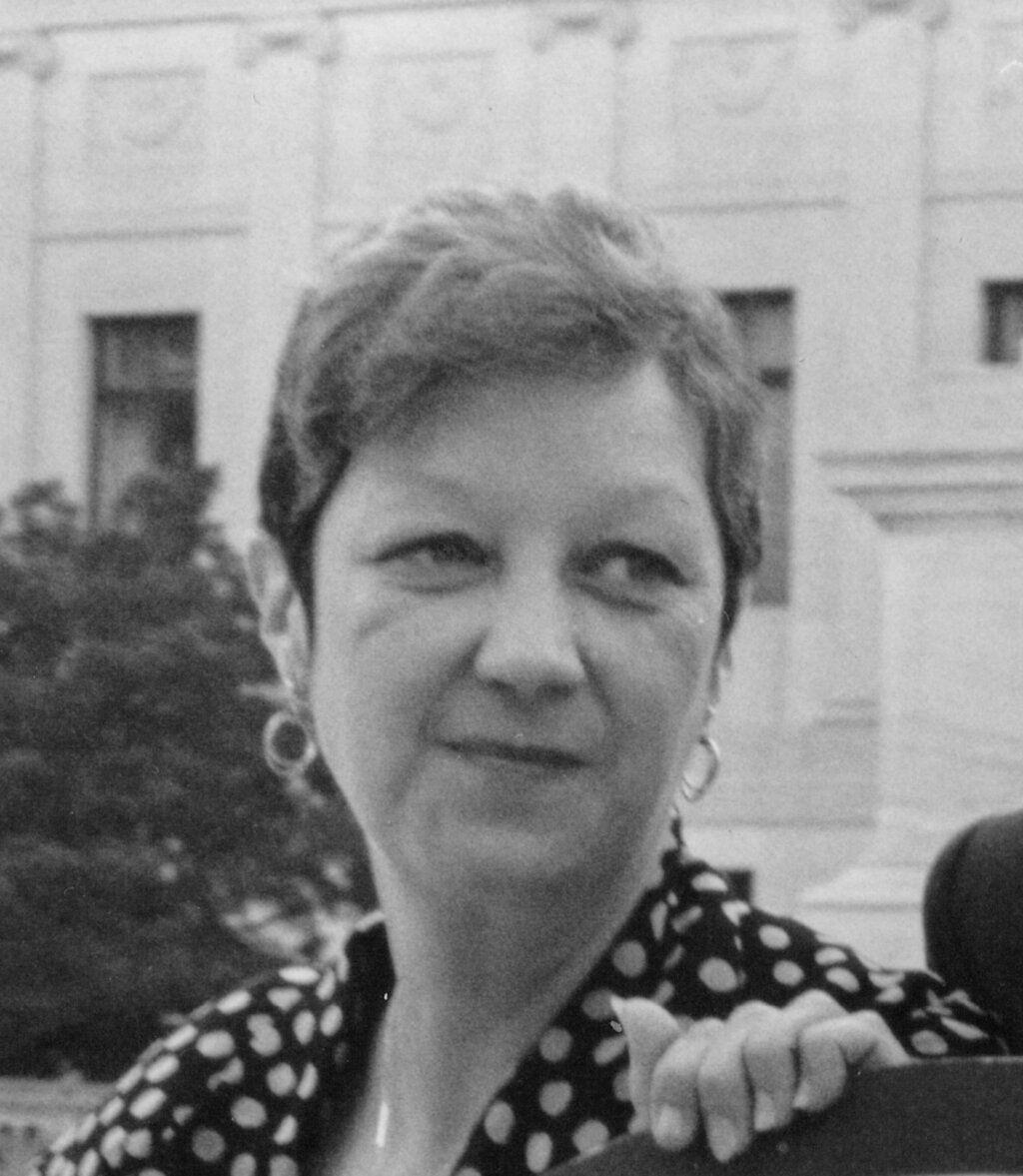
The Court argued that the "liberty" protected by this clause was broad enough to include personal decisions like whether to carry a pregnancy to term. However, it also recognized that this right wasn't absolute. It had to be balanced against the state's interests in protecting both the mother's health and the potential for human life. To strike this balance, Roe created the , a three-stage approach to regulating abortion.
| Trimester | State's Power to Regulate Abortion |
|---|---|
| First (Weeks 1-12) | Almost no power. The decision was left to the woman and her doctor. |
| Second (Weeks 13-24) | Some power. The state could enact regulations to protect the mother's health. |
| Third (Weeks 25-40) | Significant power. The state could ban abortions entirely, except when necessary to save the mother's life or health. |
The Shift to Viability
The trimester framework remained the law for two decades. But in 1992, a new case, Planned Parenthood v. Casey, came before the Supreme Court. The central question was whether to overturn Roe. The Court chose a middle path. It upheld what it called Roe's "essential holding"—that women have a constitutional right to an abortion before viability—but it threw out the rigid trimester system.
Casey affirmed the core right found in Roe but replaced its legal test with a new, more flexible standard.
Instead of trimesters, the Court established "viability" as the key dividing line. Viability is the point at which a fetus can survive outside the womb, a milestone that advances with medical technology. Before viability, the state could not ban abortion. After viability, it could. More importantly, Casey introduced a new standard for evaluating abortion restrictions: the undue burden test.
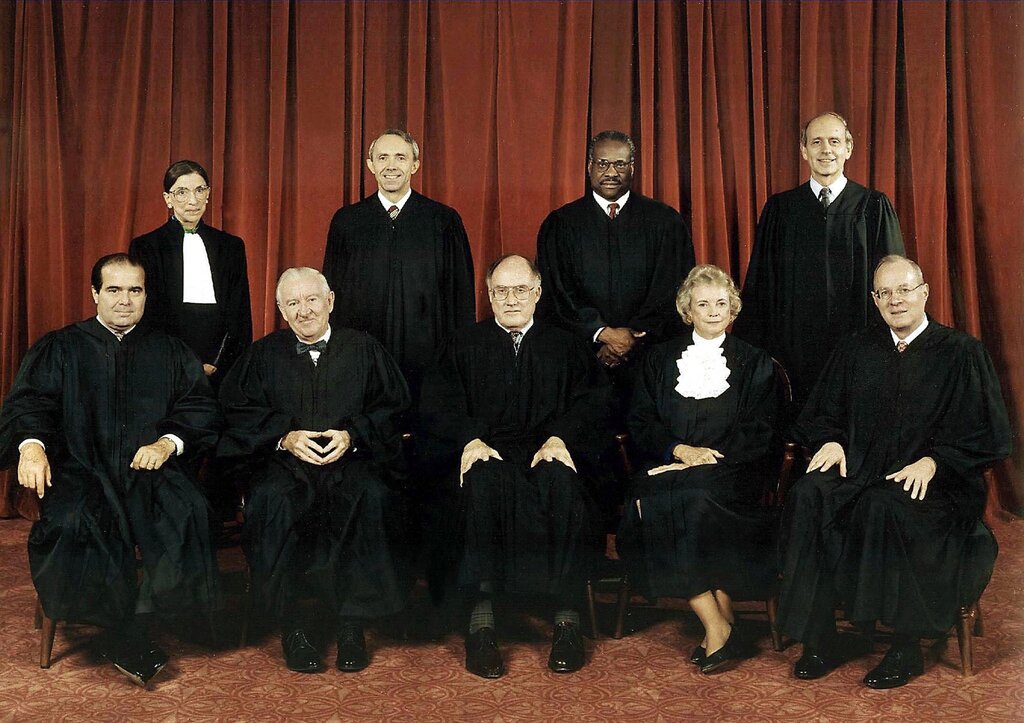
Under this standard, a state law is unconstitutional if its purpose or effect is to place a "substantial obstacle in the path of a woman seeking an abortion of a nonviable fetus." This was a significant change. It allowed states to enact more regulations, such as mandatory waiting periods or parental consent laws, as long as they didn't create an undue burden. This legal reasoning is a form of , where the court defines the "liberty" interests protected by the Constitution.
For the next 30 years, the Casey framework defined the legal battle over abortion. It established a dual system: the right was protected, but states could chip away at access as long as they didn't cross the vague "undue burden" line. This legal landscape, built on the foundations of Roe and modified by Casey, served as the law of the land until it was overturned in 2022.
In Roe v. Wade, the Supreme Court grounded the right to an abortion in the right to privacy. Where did the Court find this right to privacy implied in the Constitution?
What major change did the Planned Parenthood v. Casey decision make to the legal framework established by Roe v. Wade?