US Property Tax Explained
Introduction to Property Tax
The Tax on What You Own
Property tax is a fee that property owners pay to local governments. Think of it as a subscription for living in a community. The money collected doesn't go to the federal government in Washington D.C., but stays right where you live. It pays for many of the services you see and use every day.
property tax
noun
A tax levied by a local government on the value of real estate or other personal property.
The fundamental idea is that those who own property in an area contribute to the upkeep and improvement of that area. This system has deep roots in the United States and remains the financial backbone for thousands of counties, cities, and towns.
Property taxes are the primary way local communities fund public services, from schools to streetlights.
What Gets Taxed?
When people hear "property tax," they usually think of the tax on their home. That's a big part of it, but the term "property" is broader than just land and buildings. Generally, taxable property falls into two main categories.
| Category | Description | Examples |
|---|---|---|
| Real Property | Land and anything permanently attached to it. | Houses, apartment buildings, office buildings, factories, vacant land. |
| Personal Property | Movable items. Not all states tax this. | Cars, boats, business equipment, planes. |
Real property is the most common and significant source of property tax revenue. If you own a house, a condo, or a piece of land, you're paying tax on real property.
Taxing personal property is less common. For individuals, it might mean paying an annual tax on a car or a boat. For businesses, it often applies to the machinery, equipment, and furniture they use to operate.
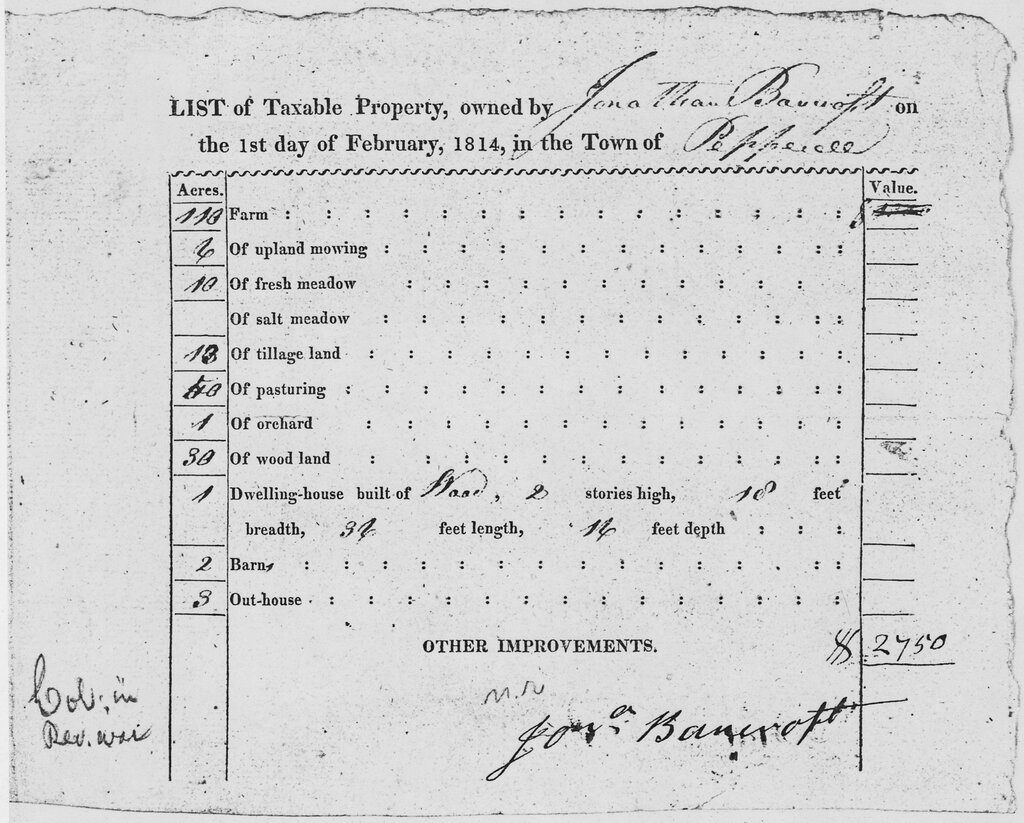
Fueling Local Communities
So where does all this money go? Local governments use property tax revenue to pay for a wide range of public services. The single largest expense is often public education.
On a national basis, these directly targeted property taxes are responsible for 65% of local school revenue and 29% of all school funding.
Beyond schools, these taxes are essential for the day-to-day functions of your community. They ensure that essential services are available to residents.
Without property taxes, local governments would struggle to provide these critical services. This funding mechanism allows communities to be somewhat self-sufficient, raising the money they need to serve their own residents. Now, let's check your understanding of these core ideas.
Property tax revenue is primarily collected by which level of government?
Which of the following is an example of 'real property'?
Property tax is a core concept in local governance and personal finance. Understanding its purpose and what it covers is the first step toward becoming a more informed taxpayer and citizen.