US Nuclear Fuel Cycle Explained
Introduction to Nuclear Power
How Nuclear Power Works
At the heart of nuclear power is a process called fission. Imagine a very large, unstable atom, like uranium. When a tiny particle called a neutron hits this atom, it splits into two smaller atoms. This split releases a tremendous amount of energy, mostly as heat. It also releases more neutrons.
These newly released neutrons can then hit other uranium atoms, causing them to split as well. This creates a chain reaction, releasing a continuous and powerful stream of heat.
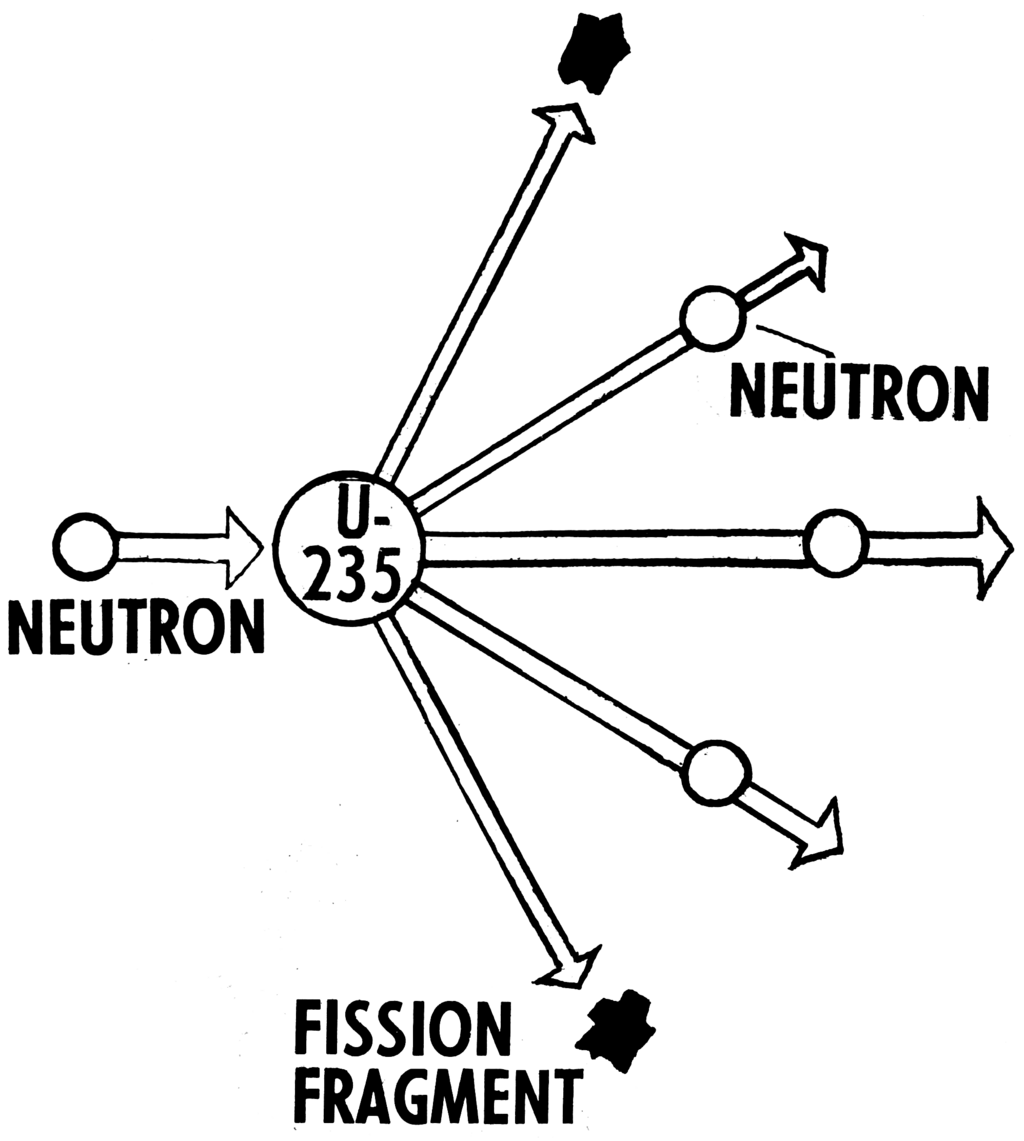
The goal of a nuclear power plant is to control this chain reaction. By managing the speed and number of neutrons, operators can sustain the reaction to produce a steady supply of heat. This heat is the primary product of the reactor, and it's what's used to generate electricity.
Inside a Nuclear Power Plant
A nuclear power plant is essentially a sophisticated way to boil water. The heat from the controlled fission reaction is used to turn water into steam. This high-pressure steam is then used to spin a turbine, which is connected to a generator that produces electricity. It's the same basic principle used in coal or natural gas plants, but the heat source is nuclear fission instead of burning fossil fuels.
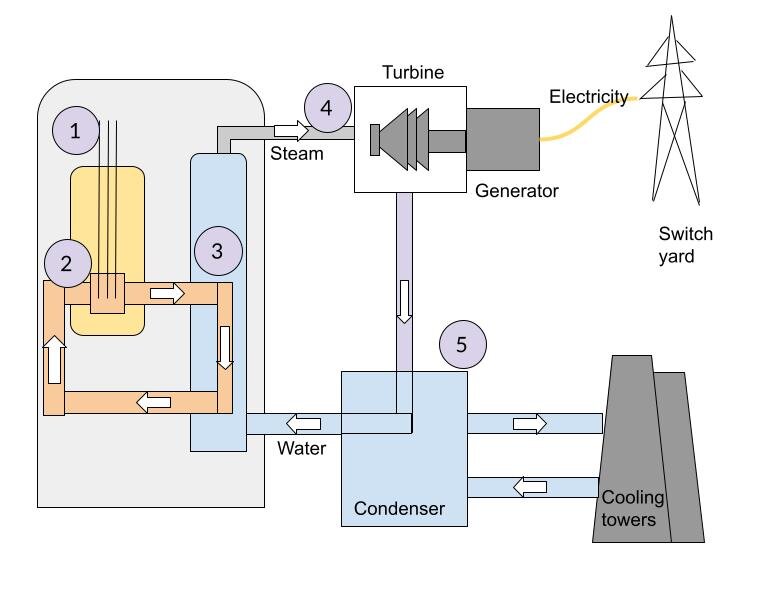
A plant has several key components:
- Reactor Core: This is where the nuclear fuel is located and where fission occurs. It's housed within a thick steel pressure vessel.
- Steam Generator: The heat from the reactor core is transferred to water in the steam generator, producing the steam needed to power the turbine.
- Turbine and Generator: The steam spins the blades of a turbine, which in turn spins a generator to create electricity.
- Cooling System: After passing through the turbine, the steam is cooled back into water in a condenser and can be reused. Large cooling towers are a common feature, releasing excess heat as water vapor.
The Fuel for Fission
The fuel used in most nuclear reactors is uranium. Specifically, it's an isotope called Uranium-235, which is particularly good at undergoing fission. The uranium is processed and formed into small ceramic pellets.
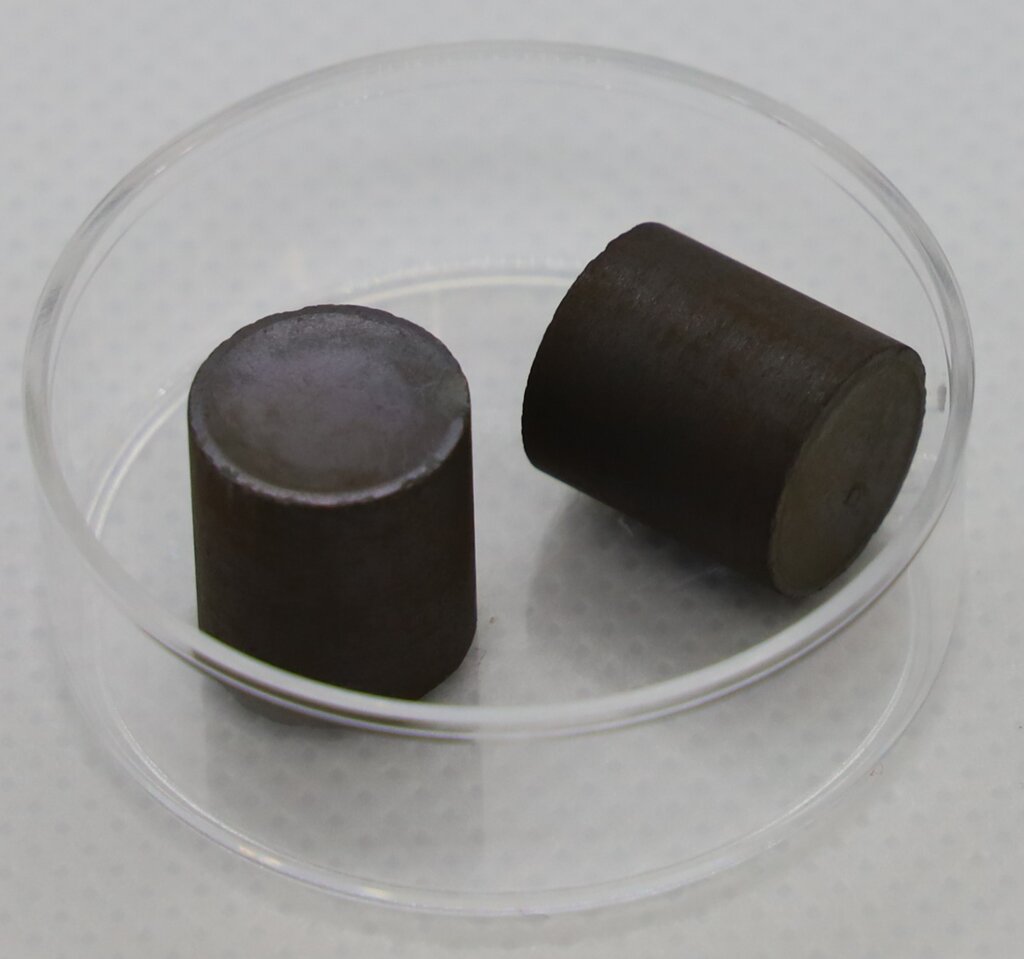
These pellets are stacked into long metal tubes called fuel rods, which are then bundled together to form fuel assemblies. These assemblies are loaded into the reactor core.
The entire process, from mining uranium ore to disposing of used fuel, is known as the nuclear fuel cycle.
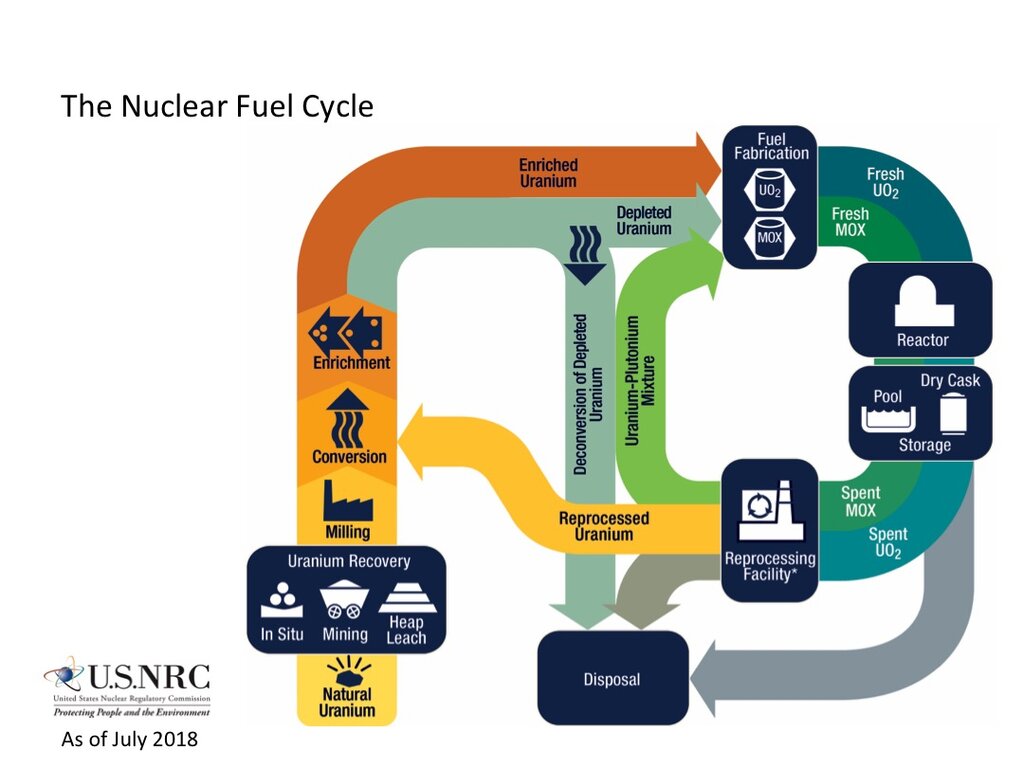
The cycle involves several stages:
- Mining and Milling: Uranium ore is extracted from the ground and processed to extract the uranium.
- Conversion and Enrichment: The uranium is converted into a gas and then enriched to increase the concentration of Uranium-235.
- Fuel Fabrication: The enriched uranium is converted into ceramic pellets and assembled into fuel rods and assemblies.
- Power Generation: The fuel is used in a reactor to produce electricity.
- Storage and Disposal: After several years, the used fuel is removed from the reactor and safely stored.
Nuclear energy plays a significant role in modern electricity grids because it provides a reliable, large-scale source of power without producing greenhouse gases. Unlike solar or wind, which are intermittent, nuclear plants can operate around the clock, providing a steady "baseload" of electricity.
This makes nuclear power a key tool in efforts to decarbonize the energy sector and combat climate change.
Now, let's test your understanding of these fundamental concepts.
What is the primary process that generates heat in a nuclear power plant?
In a nuclear power plant, what is the heat from the fission reaction primarily used for?
Understanding these basics is the first step to appreciating the complex and vital role nuclear technology plays in the world's energy landscape.