US National Security Strategy 2025
Introduction to National Security Strategy
The Nation's Game Plan
Every country needs a plan. Not just for building roads or collecting taxes, but for protecting its people, its interests, and its way of life. This high-level plan is called a National Security Strategy (NSS). It's a formal document that outlines a nation's most significant security concerns and explains how the government intends to deal with them.
Think of it as a roadmap. It tells all parts of the government—from diplomats and soldiers to intelligence analysts and economic advisors—where the country is going and how it plans to get there safely. It also sends a clear message to the rest of the world, signaling the nation's priorities, intentions, and resolve to both allies and adversaries.
A Brief History
The idea of a unified national security plan is a relatively modern one for the United States. Its origins trace back to the National Security Act of 1947. This law was a major reorganization of the U.S. military and intelligence agencies after World War II, establishing institutions like the Department of Defense, the CIA, and the National Security Council (NSC).
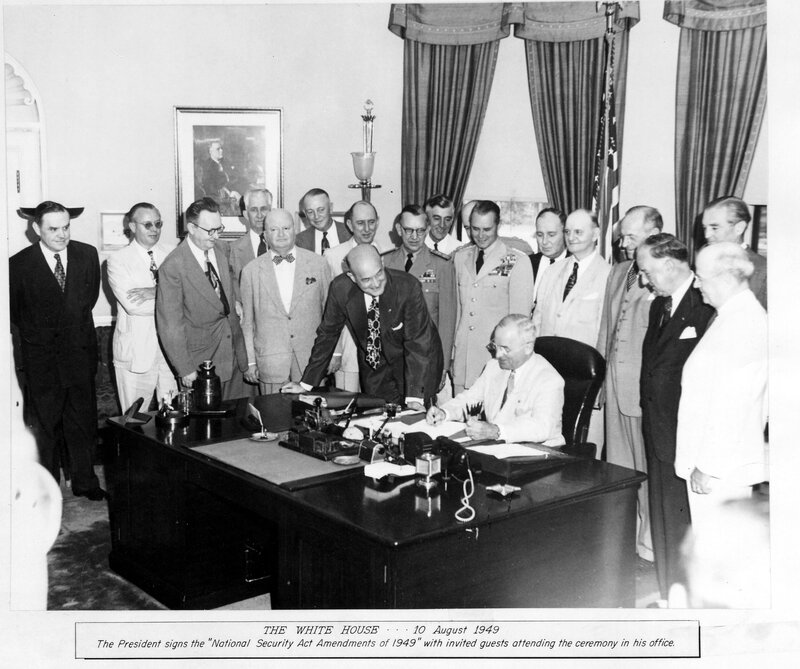
However, the requirement for a regular, written strategy came much later. The Goldwater-Nichols Act of 1986 mandated that the President must regularly submit a comprehensive National Security Strategy to Congress. This ensures a periodic review of the nation's strategic direction and forces a conversation between the executive and legislative branches about security priorities.
Since then, the focus of the NSS has evolved with the times. Early strategies were dominated by the Cold War and the need to contain the Soviet Union. After 9/11, the focus shifted dramatically to counterterrorism. Today's strategies grapple with a wider range of issues, including cyber threats, climate change, pandemics, and renewed competition between major world powers.
What's Inside an NSS?
While each administration puts its own stamp on the NSS, most versions contain a few core components. They work together to create a logical framework, moving from broad goals to specific actions.
First, the strategy identifies the nation's vital national interests. These are the core goals the country is trying to achieve and protect, like the physical security of its citizens, economic prosperity, and the promotion of its values abroad.
Next comes the threat assessment. This section analyzes the global and domestic landscape to identify potential dangers to those national interests. Threats can range from the military power of other countries to non-state actors like terrorist groups, as well as broader challenges like climate change, pandemics, or economic instability.
With interests and threats defined, the NSS lays out a strategic approach. This is the heart of the document. It describes how the nation will use all its tools of power—diplomatic, informational, military, and economic—to protect its interests and mitigate threats. It sets priorities and outlines the main lines of effort the government will pursue.
Crafting the Strategy
Formulating an NSS is a massive undertaking. The process is led by the President's National Security Council, which coordinates input from across the government. Dozens of departments and agencies contribute their expertise, including the Department of State, the Department of Defense, the Treasury Department, the Department of Homeland Security, and the various intelligence agencies.
This interagency process ensures that the strategy is comprehensive, accounting for all the different facets of national power and security.
Ultimately, the National Security Strategy is the President's document. It reflects the administration's worldview, priorities, and assessment of the global landscape. Because the world is constantly changing, the NSS is not a static document. It is updated every few years to ensure that the nation's strategy remains relevant and effective in addressing new and evolving challenges.
Now, let's test your understanding of these core concepts.
What is the primary purpose of a National Security Strategy (NSS)?
Which U.S. law mandated that the President must regularly submit a comprehensive National Security Strategy to Congress?
Understanding the NSS is the first step in analyzing how a nation sees its place in the world and plans to navigate its complexities.