US Interest in Greenland
Introduction to Greenland's Geopolitical Significance
A Strategic Location
Greenland is the world's largest island, a vast landmass of ice and rock situated between the Arctic and Atlantic Oceans. Its location is strategically powerful, positioning it as a bridge between North America and Europe. This geographic placement alone makes it a key piece of real estate in the Northern Hemisphere.
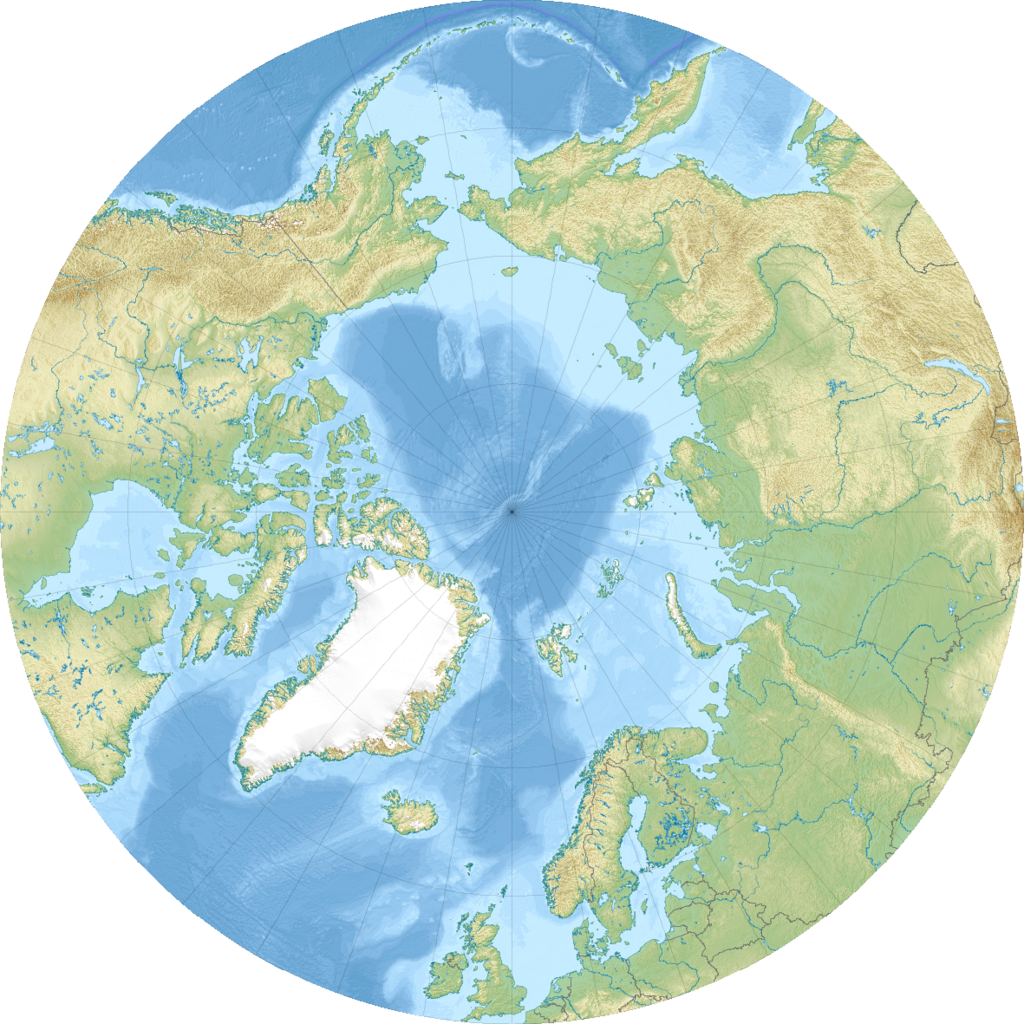
For centuries, this location was defined by its remoteness and punishing climate. But as the planet warms, the Arctic is changing. The ice that once locked down the region is melting, opening up new possibilities and new tensions.
The Arctic's New Importance
A warming Arctic means new shipping lanes are emerging. Routes like the Northwest Passage and the Northern Sea Route can cut thousands of miles off journeys between Asia, Europe, and North America. Greenland sits like a gatekeeper at the entrance to many of these potential waterways, giving it immense strategic value for global trade and naval movement.
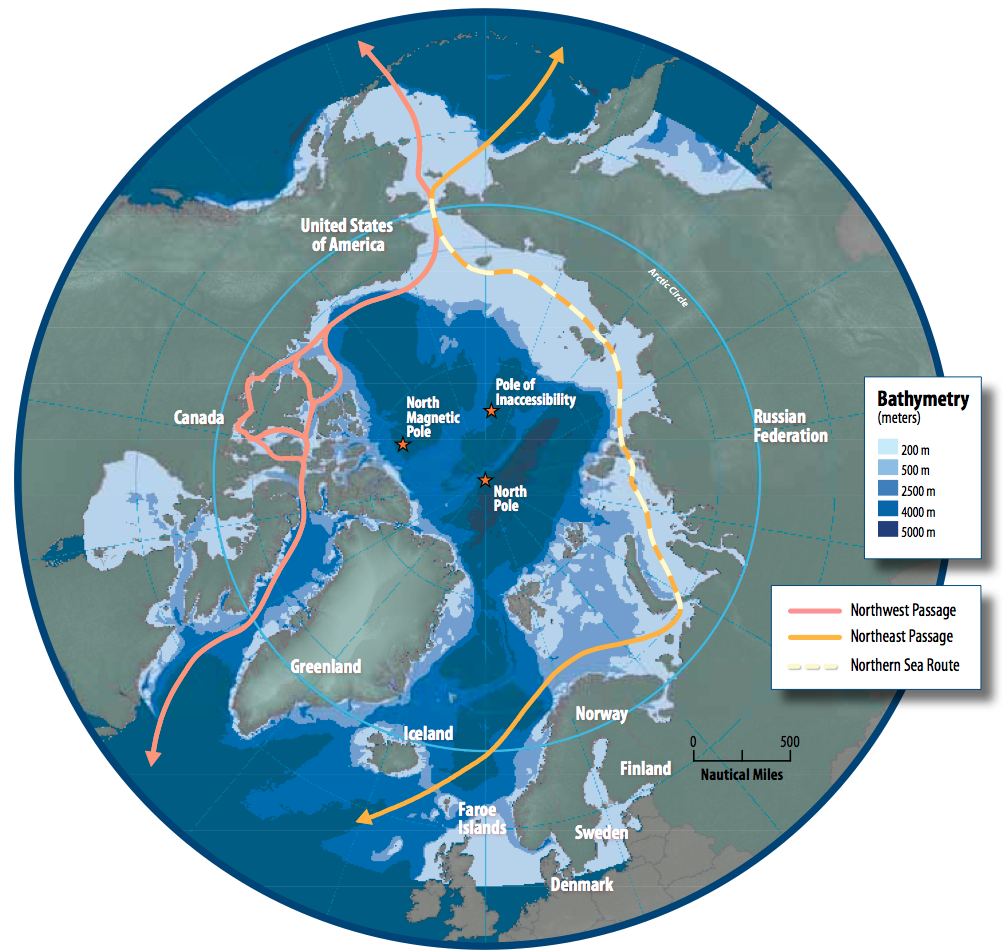
Beneath the ice and frigid waters lies another source of interest: natural resources. The region is believed to hold significant reserves of oil, natural gas, and valuable minerals. As ice recedes, accessing these resources becomes more feasible, drawing the attention of global powers eager to secure new supplies.
Greenland harbours some of the largest deposits of rare-earth metals, including neodymium, praseodymium, dysprosium and terbium, along with uranium and the byproducts of zinc.
A History of Interest
International focus on Greenland is not new. During the Cold War, its position was critical for military strategy. It provided an ideal spot for early-warning radar systems to detect potential missile launches crossing over the Arctic between the Soviet Union and North America. This established a lasting security interest for the United States in the region.
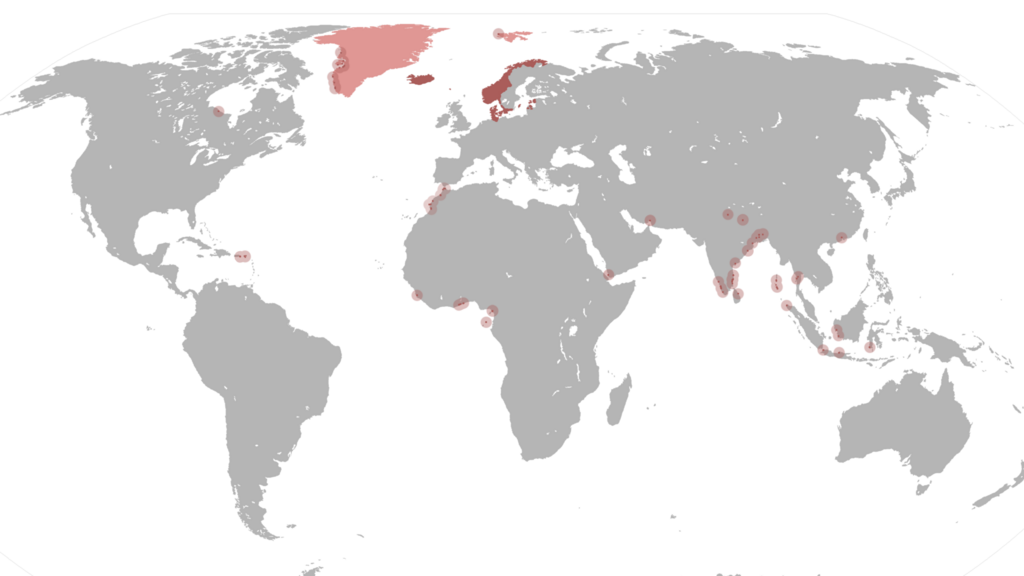
Politically, Greenland is an autonomous territory within the Kingdom of Denmark. This relationship dates back centuries, but Greenland now manages most of its own domestic affairs. However, Denmark still handles its foreign policy and defense, adding another layer to the island's complex geopolitical identity.
As the Arctic continues to open up, Greenland's blend of strategic location, resource potential, and unique political status ensures it will remain a central point of interest in global affairs.
Which of the following best describes Greenland's political status?
How is climate change increasing Greenland's strategic importance for global trade?