US Gun Control History
Colonial and Early American Gun Laws
A Civic Duty
In colonial America, firearms were a part of daily life, but their ownership was framed more as a civic responsibility than an individual right. Survival on the frontier demanded it. Colonies faced threats from rival European powers, Native American tribes, and the constant fear of slave insurrections. To meet these dangers, communities relied on a citizen militia, not a professional army.
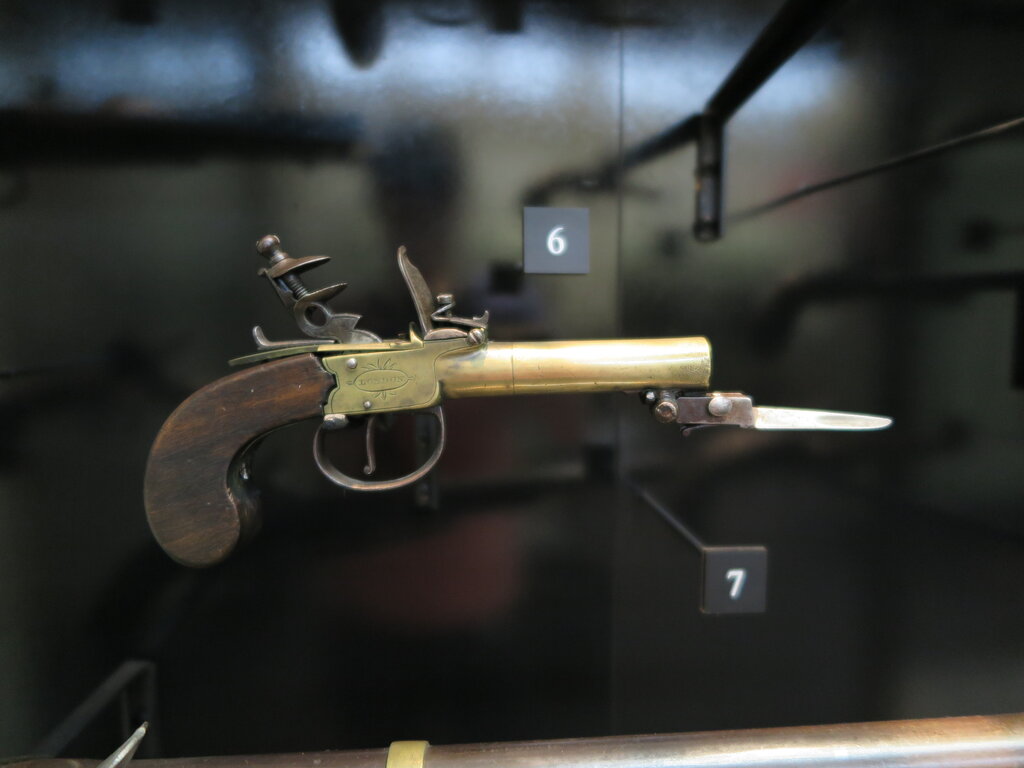
Nearly every colony passed laws requiring able-bodied white men, typically between the ages of 16 and 60, to own a firearm and be ready for militia service. These laws weren't suggestions; they were mandates. For example, a 1631 Virginia law stated that all men must bring their firearms to church. This wasn't for protection during the service, but to ensure they were always prepared for a militia call-up. Regular inspections, or "musters," were held to ensure men had the required equipment and that their weapons were in good working order. Failure to comply resulted in fines.
These militia laws treated firearm ownership as a public obligation. The community's safety depended on every eligible man being armed and ready.
Rules of the Community
Alongside the duty to own a gun came a host of regulations on how firearms could be used and stored. The goal was public safety. Colonial towns were compact, and the danger of accidental shootings or fires was very real. Gunpowder, in particular, was treated with extreme caution.
Many cities, including Boston, Philadelphia, and New York, enacted laws that restricted the firing of guns within city limits. It was also common for laws to require the safe storage of gunpowder. Large quantities couldn't be kept in private homes. Instead, they had to be stored in a central, often stone-built, powder house on the edge of town to prevent a catastrophic explosion.

Access to firearms was also controlled. While most white men were required to be armed, laws often prohibited Catholics, Native Americans, and enslaved or free Black people from owning guns. These restrictions were rooted in the social and racial hierarchies of the time and the fear of rebellion or collaboration with enemy forces. Colonial authorities also had the power to seize weapons from anyone deemed a threat to public order, including white citizens who were considered disloyal or dangerous.
Laws of the New States
After the American Revolution, the newly formed states continued and adapted these colonial-era practices. The concept of the citizen militia remained central to the new nation's defense. Early state constitutions often included a right to bear arms, but it was almost always connected to the purpose of serving in a militia.
| State | Constitutional Provision (Late 18th Century) |
|---|---|
| Pennsylvania | "That the people have a right to bear arms for the defence of themselves and the state..." |
| Massachusetts | "The people have a right to keep and to bear arms for the common defence..." |
| Virginia | "That a well regulated militia, composed of the body of the people, trained to arms, is the proper, natural, and safe defense of a free state..." |
| North Carolina | "That the people have a right to bear arms, for the defence of the State..." |
These early state laws show a clear link between gun ownership and collective security. The language emphasizes defense of the state and the importance of a "well regulated militia." States continued to pass laws regulating firearm use, such as prohibitions on carrying concealed weapons or firing guns in public places. These regulations were seen as entirely consistent with the right to bear arms, as both served the ultimate goal of maintaining a peaceful and orderly society.
What was the primary reason that laws in colonial America mandated firearm ownership for many colonists?
True or False: Colonial laws treated firearm ownership as an unrestricted individual right, allowing anyone to own a gun without regulation.
These foundational laws from the colonial and early American periods established a tradition of viewing firearm ownership through the lens of both civic duty and public safety.