US Government Structure Explained
Introduction to the U.S. Constitution
A Blueprint for a New Nation
After winning the Revolutionary War, the newly independent United States faced a big problem. The country was operating under a document called the Articles of Confederation. It created a weak central government that couldn't effectively tax, regulate trade, or even raise a national army. States acted more like independent countries than a unified nation.
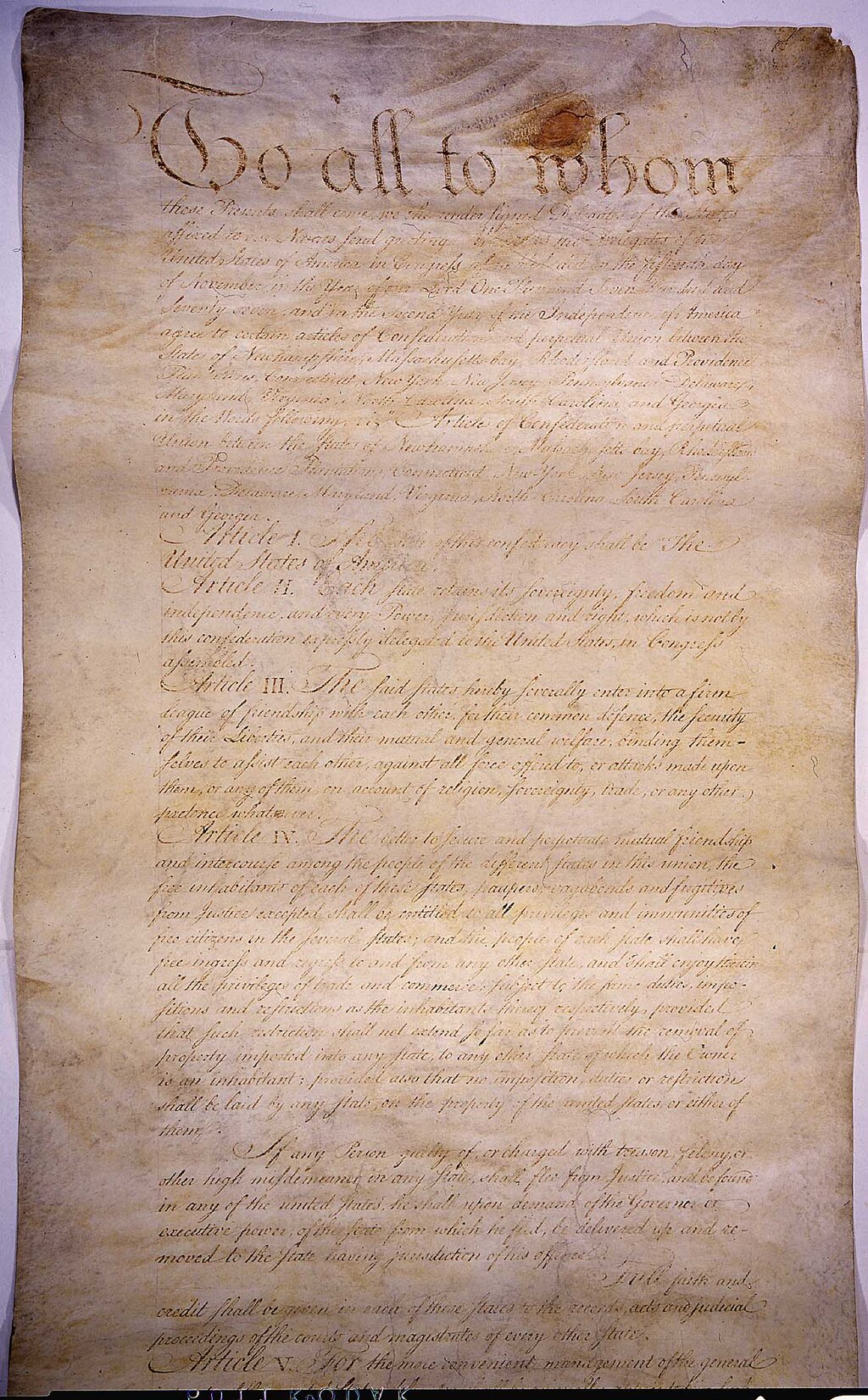
This weakness came to a head with events like Shays' Rebellion, where indebted farmers in Massachusetts rose up against the state government. The national government was powerless to help. It became clear that a new system was needed.
In 1787, delegates from twelve of the thirteen states met in Philadelphia for the Constitutional Convention. Their goal was to create a new framework for a government that was strong enough to unite the country and protect its interests, but not so powerful that it would trample on the rights of citizens. They aimed to build a government that could last.
The Structure of the Constitution
The document the delegates created is surprisingly short and organized. It begins with a famous preamble.
We the People of the United States, in Order to form a more perfect Union, establish Justice, insure domestic Tranquility, provide for the common defence, promote the general Welfare, and secure the Blessings of Liberty to ourselves and our Posterity, do ordain and establish this Constitution for the United States of America.
This opening statement declares that the government's power comes from the people, not the states, and lays out the core goals of the new government.
Following the Preamble are seven sections called Articles. These articles lay out the plan for the government.
- Article I establishes the legislative branch (Congress).
- Article II creates the executive branch (the President).
- Article III sets up the judicial branch (the court system).
- Article IV outlines the relationships between the states.
- Article V describes how to amend the Constitution.
- Article VI establishes the Constitution as the supreme law of the land.
- Article VII explains the process for ratification.
Core Principles
To prevent the new government from becoming too powerful, the framers built several key principles into the Constitution's structure. These ideas act as safeguards for liberty.
Federalism
noun
A system of government where power is divided and shared between a central, national government and smaller, regional governments like states.
The framers wanted a balance. The national government needed to be strong enough to handle national issues, but states needed to retain power over local matters. Federalism was the compromise. Some powers belong only to the federal government (like declaring war), some only to the states (like running elections), and some are shared by both.
This division of power creates a partnership between the national government and state governments, each with its own areas of authority.
Two other principles, separation of powers and checks and balances, work together to distribute and limit power within the federal government itself.
Separation of powers divides the federal government into three distinct branches: the legislative (Congress), the executive (the President), and the judicial (the courts). Each branch has its own specific responsibilities and powers.
Checks and balances is a system that allows each branch to limit the power of the other two. For example, Congress can pass a law, but the President can veto it. The Supreme Court can then declare that law unconstitutional, invalidating it. This web of overlapping authority ensures that no single branch can dominate the government.
What major problem with the Articles of Confederation led to the calling of the Constitutional Convention?
Which article of the U.S. Constitution establishes the legislative branch, also known as Congress?
These foundational principles, baked into the Constitution's structure, created a revolutionary model for a government of the people, by the people, and for the people.