US Founding Document Analysis
Document Analysis Basics
When we look at historical documents like the Declaration of Independence or the U.S. Constitution, it is easy to treat them as finished, static monuments. But to truly understand them, we must shift from passive reading to active decoding. Active decoding begins by treating the text as a physical artifact and applying a simple three-step strategy: Observe, Reflect, and Question.
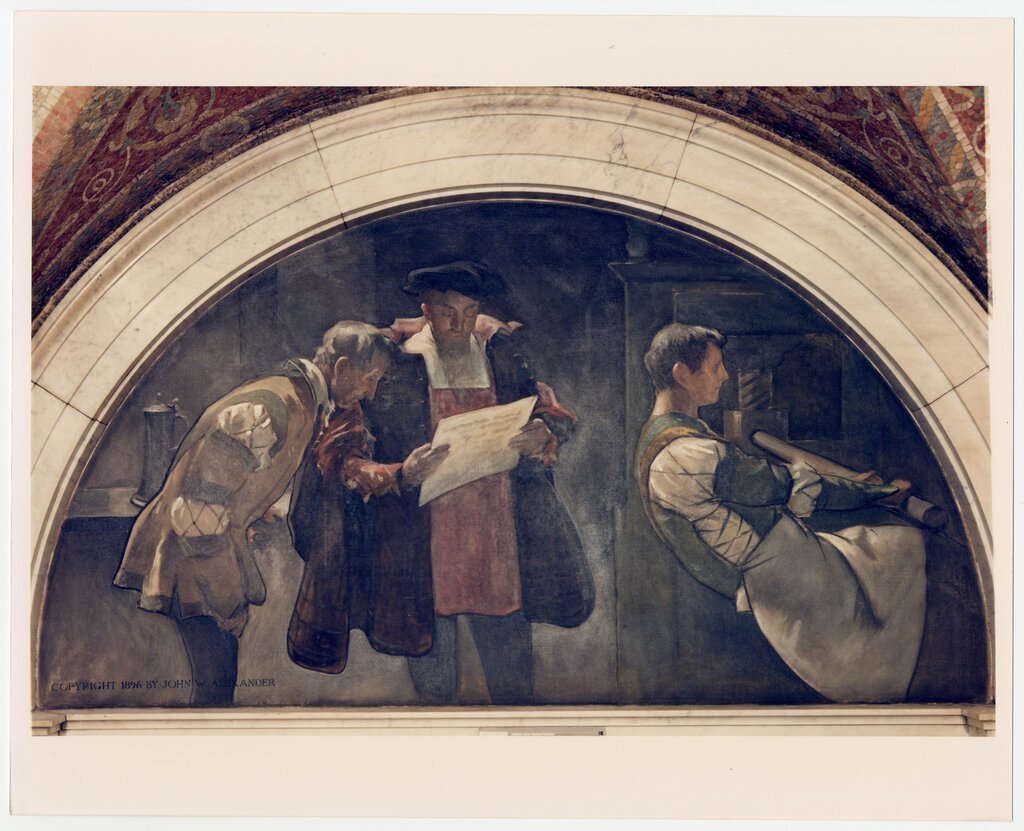
The first step, Observe, is all about gathering immediate, physical clues before you even read the first sentence. You look at the document's layout, its handwriting or typeface, the signatures at the bottom, and any initial like dates or locations printed at the top. This raw physical evidence helps you establish the baseline basics of authorship, immediate purpose, and intended audience.
By pausing to closely inspect these physical features first, you prevent your mind from skipping straight to modern assumptions. You begin to see the document through the eyes of its original 18th-century creators and readers, laying the necessary groundwork for deeper rhetorical analysis.