US Federal Income Tax Filing Requirements
Introduction to Federal Income Tax
Why We Pay Taxes
The U.S. federal income tax is the government's primary source of revenue. Think of it as the money that runs the country. It pays for national defense, social programs like Social Security and Medicare, scientific research, infrastructure like highways and bridges, and much more.
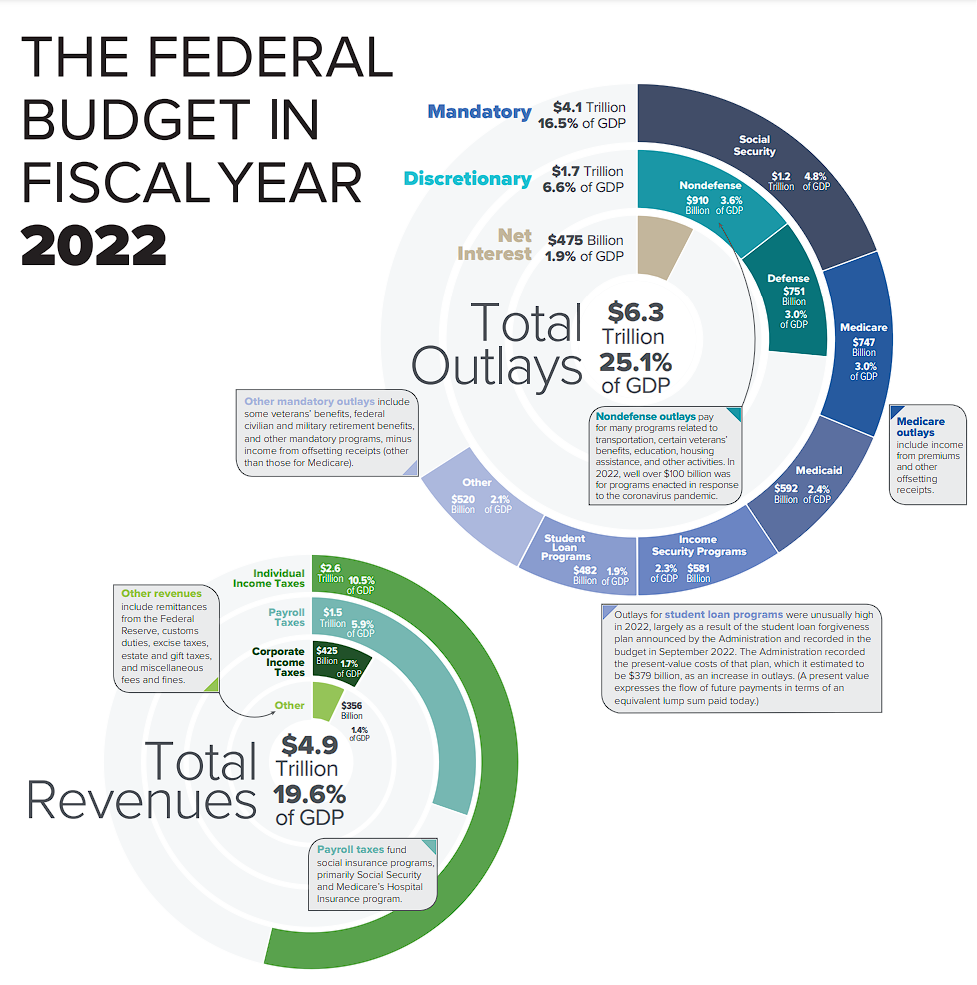
Every year, millions of Americans contribute a portion of their earnings to this collective fund. This system ensures that the government has the resources to provide essential services and public goods that benefit everyone.
The Tax Collector
The agency responsible for collecting these taxes and enforcing the nation's tax laws is the Internal Revenue Service, or IRS. The IRS is a bureau of the Department of the Treasury.

Its main jobs are to help taxpayers understand and meet their tax responsibilities and to ensure that everyone pays their fair share. The IRS processes tax returns, issues refunds, and answers taxpayer questions. The entire system is built on the idea of voluntary compliance, meaning citizens are expected to calculate and pay their taxes on time without direct government intervention.
What Gets Taxed?
You don't pay taxes on every dollar you earn. Instead, taxes are calculated on your taxable income. This is your gross income from all sources—like wages, salaries, and tips—minus certain deductions and exemptions allowed by law.
Think of it this way: Gross Income - Deductions = Taxable Income. We'll explore deductions in more detail later, but for now, just know they are expenses the tax code allows you to subtract from your total income to lower the amount that gets taxed.
Your taxable income is the portion of your income subject to federal tax, and it’s important for several reasons.
Calculating this number correctly is the first major step in figuring out how much tax you owe.
How Much Do You Pay?
The U.S. uses a progressive tax system. This means that people with higher taxable incomes pay a higher percentage of their income in taxes. This is achieved through tax brackets.
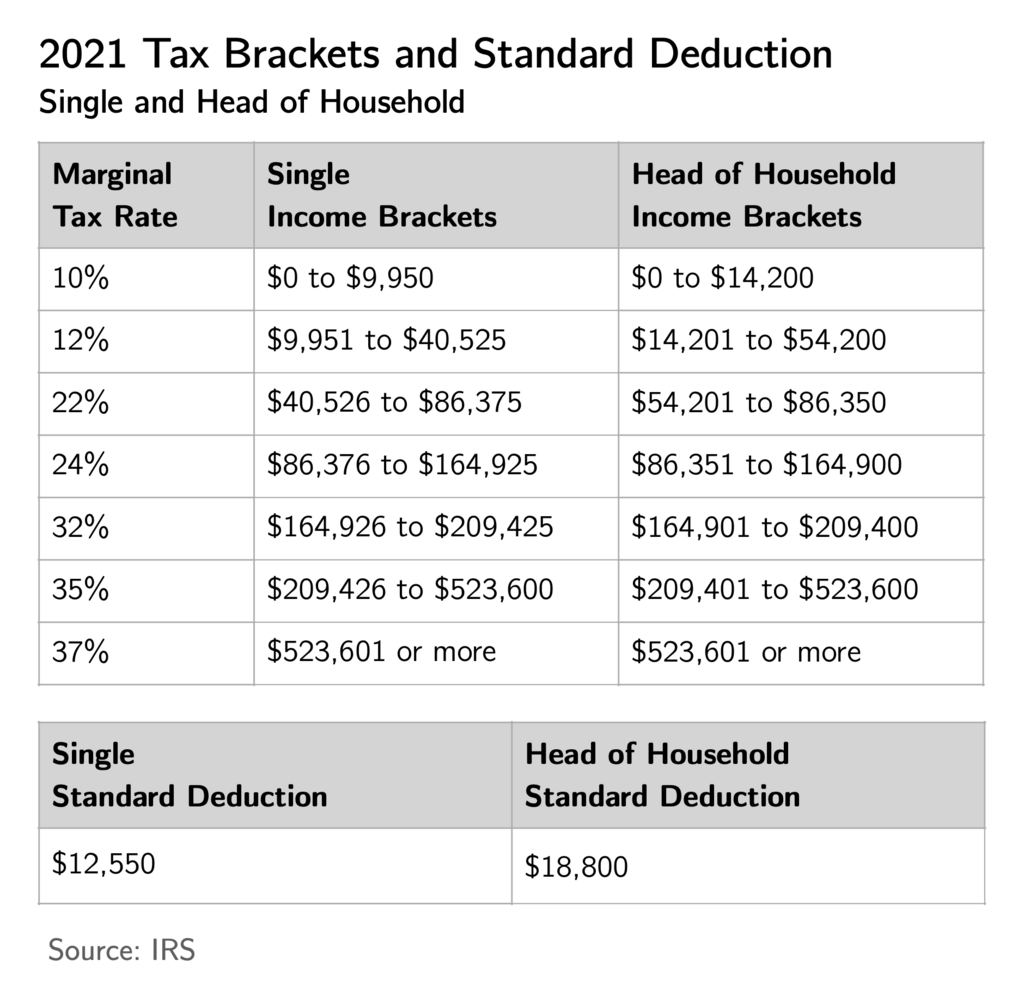
A tax bracket is a range of income that is taxed at a certain rate. It's a common misconception that if you move into a higher tax bracket, all of your income is taxed at that new, higher rate. That's not how it works.
Imagine your income filling up a series of buckets. The first bucket holds your first $10,000. Every dollar in that bucket is taxed at a low rate, say 10%. Once that bucket is full, any additional income spills into the next bucket, which is taxed at a higher rate, like 12%. Only the money in the second bucket is taxed at 12%. This continues for each bracket. Your effective tax rate—the actual percentage of your total income that you pay in taxes—ends up being lower than the rate of your highest tax bracket.
This structure is designed to be fair, taxing people based on their ability to pay. It ensures that everyone contributes, but those with more resources contribute a larger percentage.
What is the primary role of the Internal Revenue Service (IRS)?
The U.S. federal income tax system is described as progressive. What does this mean?
Understanding these core ideas—the purpose of taxes, the role of the IRS, taxable income, and tax brackets—is the foundation for navigating your own financial responsibilities.