US Constitution Demystified
Introduction to the Constitution
The Nation's Blueprint
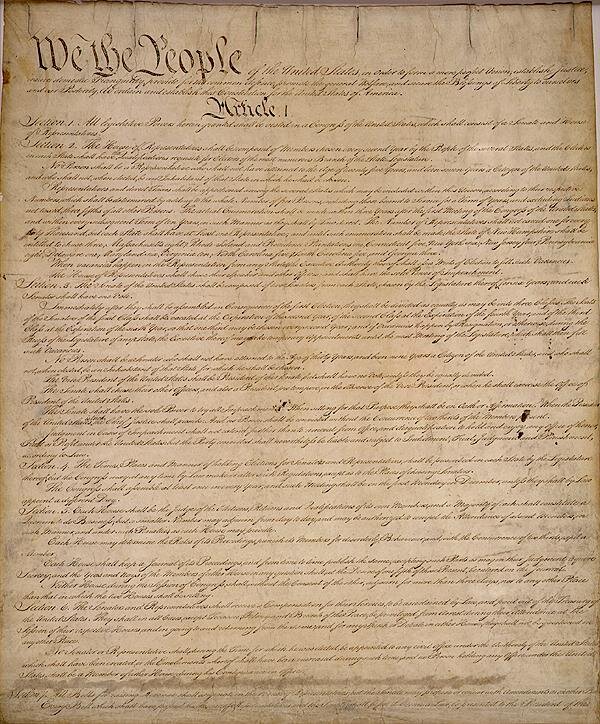
The United States Constitution is the supreme law of the land. Think of it as the ultimate rulebook for the U.S. government. It lays out how the federal government is organized, what powers it has, and what it cannot do. Every law passed and every action taken by the government must follow the principles outlined in this document.
From a Weak Start
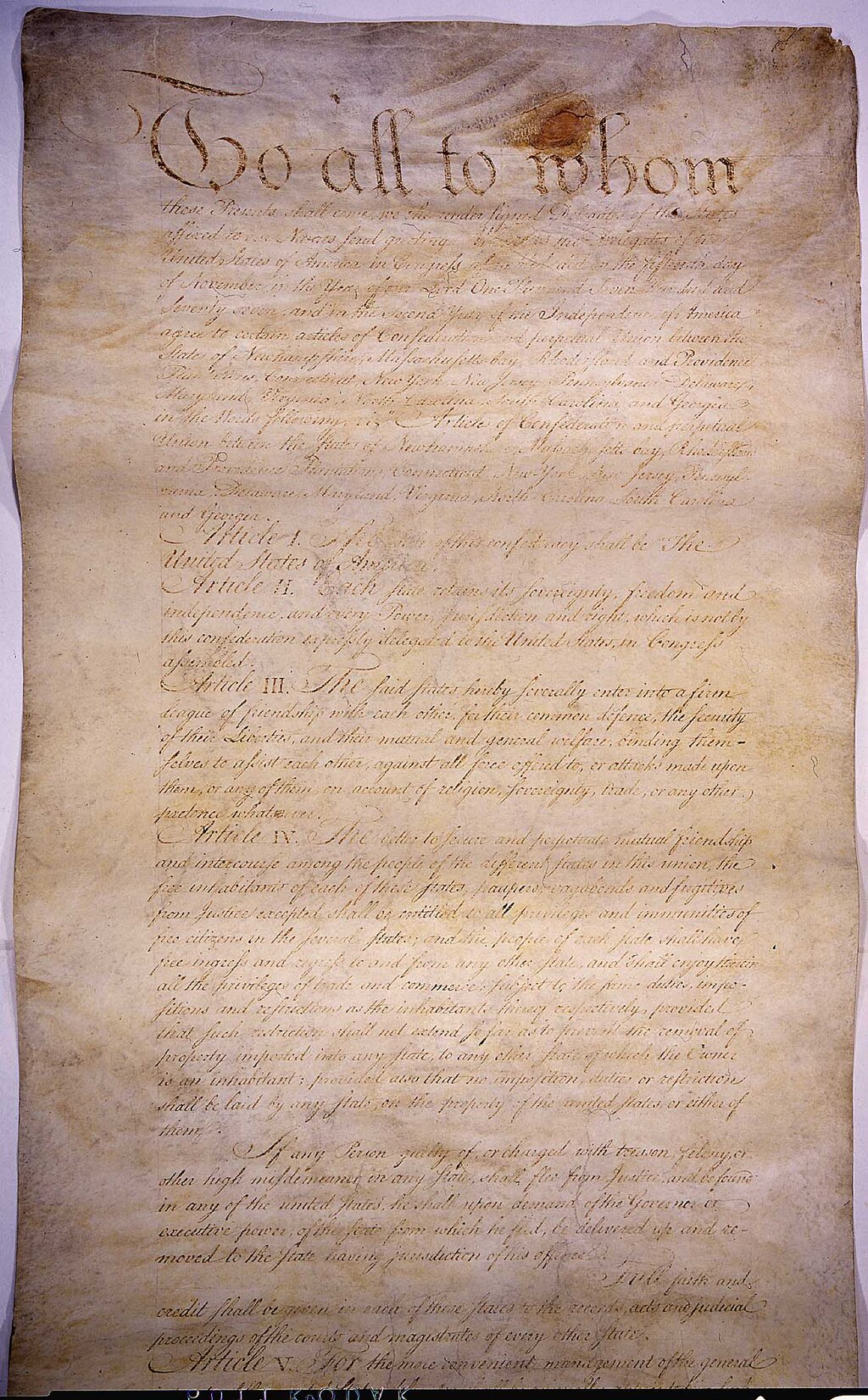
After winning independence from Great Britain, the newly formed states needed a system to govern themselves. Their first attempt was a document called the Articles of Confederation. It created a partnership, or a "firm league of friendship," among the states.
However, this first government was intentionally weak. The states, wary of a powerful central authority like the British monarchy, kept most of the power for themselves. The national government couldn't raise taxes to pay its debts, create a national army, or enforce its own laws effectively. It became clear that this system wasn't working. The country was struggling, and its leaders knew a change was needed.
In 1787, delegates from the states met in Philadelphia. Their initial goal was to fix the Articles of Confederation, but they soon realized they needed to start over. They decided to draft an entirely new constitution to create a stronger, more stable federal government.
A Mission Statement
The Constitution begins with a powerful introduction called the Preamble. It's a single, memorable sentence that explains the purpose of the new government.
"We the People of the United States, in Order to form a more perfect Union, establish Justice, insure domestic Tranquility, provide for the common defence, promote the general Welfare, and secure the Blessings of Liberty to ourselves and our Posterity, do ordain and establish this Constitution for the United States of America."
The Preamble lays out six clear goals for the nation. It aims to unite the states more effectively, create a fair legal system, maintain peace at home, defend the country, support the well-being of the people, and protect freedom for all generations.
The Core Principles
To achieve its goals, the Constitution is built on several key principles. These ideas act as the foundation for the entire structure of government.
Federalism
noun
A system where power is divided between the national government and the state governments. Each has its own responsibilities.
The framers wanted to balance power. They gave the federal government enough authority to lead the country effectively, but left many local matters to the states. This division of power is a cornerstone of the American political system.
Another core idea is the separation of powers. The Constitution divides the federal government's power into three distinct branches. This prevents any single person or group from having too much control.
But how do you keep the branches from overstepping their authority? The answer is checks and balances. Each branch has the ability to limit the power of the other two. For example, the President can veto a law passed by Congress, but Congress can override the veto. The courts can declare laws unconstitutional, but the President appoints the judges. This system creates a careful balance, forcing the branches to cooperate.
Why was the government established by the Articles of Confederation considered ineffective?
What was the initial goal of the delegates who met in Philadelphia in 1787?
These foundational ideas—a government for the people, with divided and balanced powers—set the stage for a new kind of nation.