US China Tariffs and Your Wallet
Introduction to Tariff Policies
What Are Tariffs?
At its core, a tariff is a tax. But it's a special kind of tax that a country places on goods it imports from other countries. When a product from another nation arrives at the border, the government charges a fee to the importer. That extra cost usually gets passed on to consumers in the form of higher prices.
Tariff
noun
A tax or duty to be paid on a particular class of imports or exports.
So, why do governments use them? There are a few key reasons.
First, tariffs can protect domestic industries. By making foreign goods more expensive, they give a competitive edge to locally-made products. This can help young industries grow or shield established ones from cheaper foreign competition.
Second, they generate revenue for the government. Just like income tax or sales tax, the money collected from tariffs goes into the public treasury. Historically, this was a major source of income for many nations.
Finally, tariffs can be used as a political tool. A country might impose tariffs to pressure another nation during a trade dispute or to retaliate against what it sees as unfair trade practices.
The Different Flavors of Tariffs
Not all tariffs are created equal. They come in a few different forms, depending on how the tax is calculated. The two most common types are ad valorem and specific tariffs.
| Tariff Type | How It's Calculated | Example |
|---|---|---|
| Ad Valorem | A percentage of the value of the imported good. | A 10% tariff on a $30,000 car would be $3,000. |
| Specific | A fixed fee per unit of the imported good. | A $0.50 tariff on every kilogram of coffee. |
| Compound | A combination of an ad valorem and a specific tariff. | A $0.10 tariff per kilogram of cheese, plus 5% of its value. |
Ad valorem tariffs are the most common. The term comes from Latin and means "according to value." Specific tariffs are more straightforward for goods that are easily counted or weighed, but they don't adjust for changes in the item's price or quality. Compound tariffs, by combining both methods, offer a more complex way to tax certain goods.
A Long History
Tariffs are not a modern invention. For centuries, governments have used them to control trade and raise money. In the early days of the United States, tariffs were the federal government's primary source of revenue. Before a national income tax existed, these taxes on imported goods paid for everything from the military to infrastructure projects.
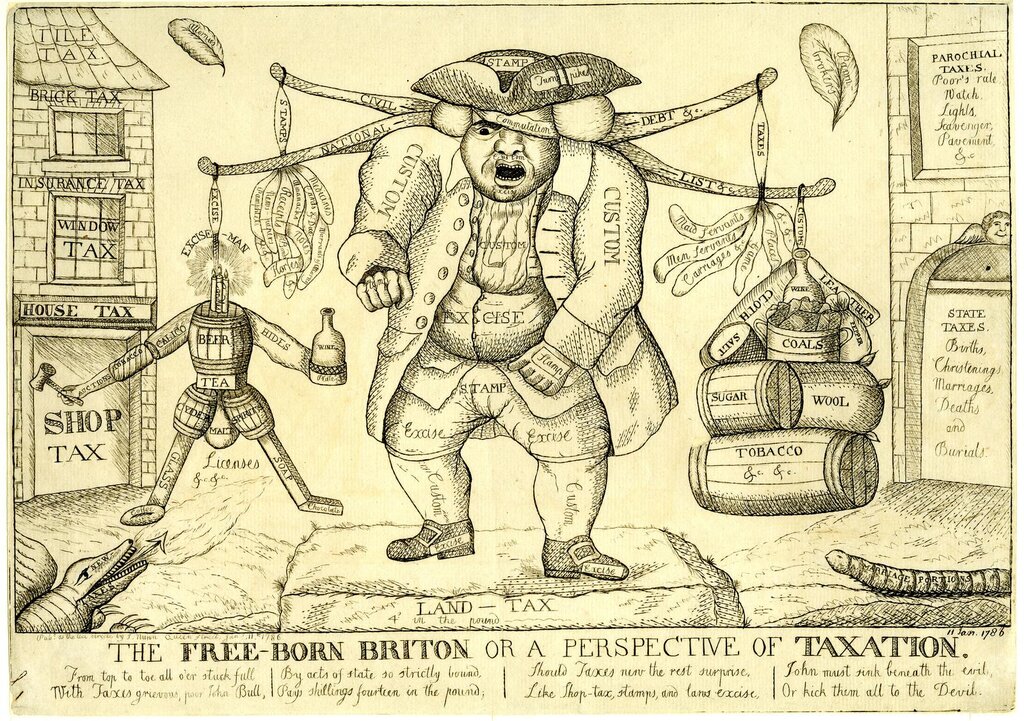
Throughout the 19th and early 20th centuries, debates over tariff levels were central to American politics. High tariffs were favored by manufacturers in the North who wanted protection from cheaper European goods, while the agricultural South generally preferred lower tariffs to keep the cost of imported equipment down. These policies have shaped economies and international relationships for generations, and they continue to be a powerful tool in modern global trade.
A tariff is a tax on imports, generally levied at an ad valorem rate on the import’s customs value.
Time to review what you've learned about the basics of tariffs.
Let's see how well you've grasped these concepts.
What is the primary function of a tariff?
A tariff calculated as a percentage of the value of an imported good is known as what type of tariff?
Understanding what tariffs are and how they work is the first step in seeing their broader impact on prices, businesses, and the global economy.