US-China Tariffs and Consumer Prices
Introduction to Tariff Policies
What Is a Tariff?
At its core, a tariff is simply a tax. But instead of being a tax on income or property, it’s a tax on goods that are brought into a country from another. Governments use tariffs for two main reasons. The first is to raise money. Just like any other tax, the revenue from tariffs goes into the government's coffers. The second, and more common reason, is to protect industries within their own country. By making imported goods more expensive, tariffs give a competitive edge to locally-made products.
Tariffs are taxes governments impose on imported goods and services, designed to make foreign products more expensive than domestically produced alternatives.
This protectionist strategy can shield developing industries from stronger foreign competition, allowing them to grow. It's also sometimes used to discourage unfair trade practices, like when a foreign company sells goods at an artificially low price to dominate a market.
The Two Main Flavors
Not all tariffs are created equal. They generally fall into two categories.
Specific Tariff
noun
A fixed fee levied on one unit of an imported good.
A specific tariff is straightforward. It’s a set amount of money per physical unit of the imported item. For example, a country might charge a $5 tariff for every barrel of oil or a $100 tariff for every bicycle imported.
Ad Valorem Tariff
noun
A tariff levied as a percentage of the value of an imported good.
An ad valorem tariff is a bit different. The term is Latin for "according to value." This type of tariff is a percentage of the total value of the imported goods. If a car is imported with a value of $20,000 and there's a 10% ad valorem tariff, the tax would be $2,000.
| Tariff Type | How It's Calculated | Example |
|---|---|---|
| Specific | Fixed fee per item | $2 per imported book |
| Ad Valorem | Percentage of the item's value | 5% tax on imported furniture |
The Ripple Effect
When a country imposes a tariff, it doesn't just affect the foreign company selling the product. The effects ripple through the entire economy.
The most direct impact is on prices. Imported goods with a tariff become more expensive for consumers.
This price increase has a secondary effect: it makes domestically produced goods seem cheaper in comparison. This can lead to an increase in demand for local products, boosting domestic production and potentially creating jobs in that industry. However, consumers are left with fewer, more expensive choices.
Let's visualize how this works using a standard supply and demand graph. Before a tariff, the price of an imported product is the 'World Price'. After a tariff is added, the price for domestic consumers rises. This changes everything.
The graph shows that the tariff shrinks the amount of imports. Domestic producers sell more at a higher price, increasing their surplus (the area in green). The government collects revenue (yellow). However, consumers pay more for less, and the overall market becomes less efficient, creating what economists call deadweight loss (the two pink triangles). This represents the value that is lost to society because of the market distortion.
Tariffs in History
Tariffs are not a new invention. They are one of the oldest forms of trade policy. For much of its early history, the United States government relied heavily on tariffs as its primary source of revenue, long before income tax was introduced.
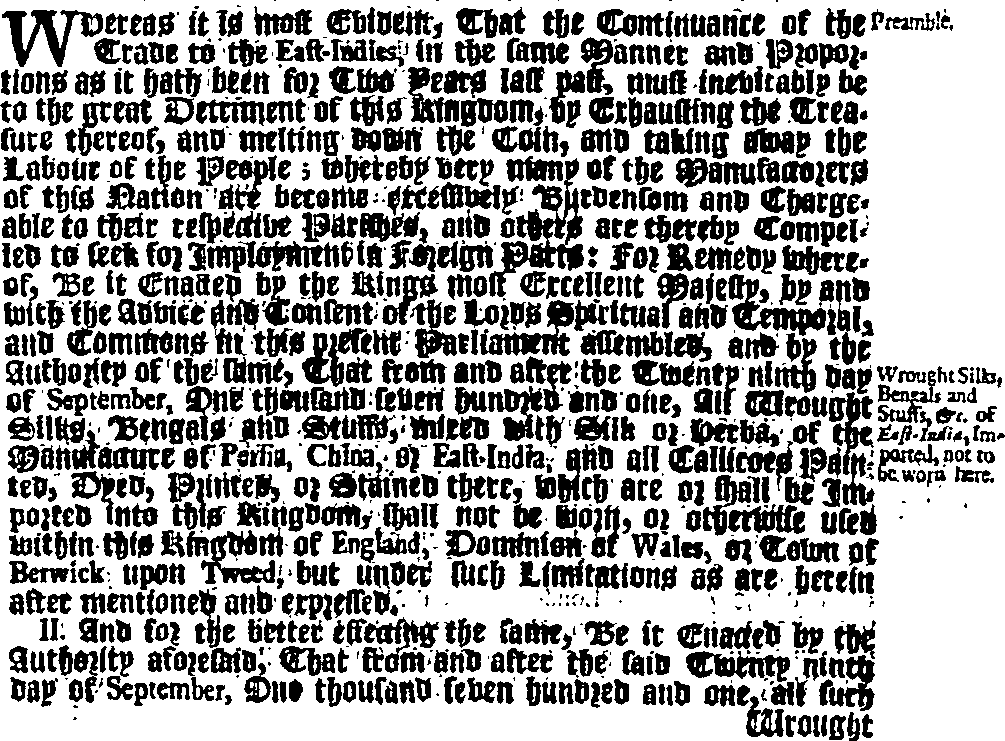
One of the most famous examples in U.S. history is the Tariff of 1930, also known as the Smoot-Hawley Tariff. This act raised tariffs significantly on over 20,000 imported goods. The intent was to protect American farmers and businesses from foreign competition during the Great Depression. However, many economists argue it backfired. Other countries retaliated with their own tariffs on American goods, causing global trade to plummet and potentially worsening the economic downturn.
This historical example highlights the complex and often controversial nature of tariffs. While they can serve domestic interests in the short term, they can also lead to unintended consequences on a global scale.
Time to check your understanding.
What are the two primary reasons governments impose tariffs?
A tariff of 15% on the value of all imported automobiles is an example of a(n) ______ tariff.
Understanding these fundamentals provides a solid base for analyzing more complex trade policies and their effects on the world economy.