US China Tariffs and Consumer Prices
Introduction to Tariffs
What Is a Tariff?
A tariff is a tax imposed by a government on goods imported from other countries. Think of it as an extra fee added to the price of a foreign product when it crosses the border. This simple tool has a few main goals.
The primary purpose of a tariff is to make imported goods more expensive, which in turn makes domestically produced goods more competitive.
Governments use tariffs for several reasons. One is to protect new or struggling domestic industries from more established foreign competitors. By making imports pricier, tariffs encourage consumers to buy local products, giving home-grown businesses a chance to grow.
Another key reason is to raise revenue. Just like any other tax, the money collected from tariffs goes into the government's treasury and can be used to fund public services. Lastly, tariffs can be a powerful tool in international politics, used as leverage in trade negotiations or to penalize other countries for unfair trade practices.
Tariff
noun
A tax or duty to be paid on a particular class of imports or exports.

The Different Flavors of Tariffs
Not all tariffs are calculated the same way. There are three main types, each based on a different method of applying the tax.
| Type | How It's Calculated | Example |
|---|---|---|
| Ad Valorem | A percentage of the item's value. | A 10% tariff on a $20,000 car, adding $2,000 to the cost. |
| Specific | A fixed fee per unit. | A $1 tariff for every barrel of oil imported, regardless of its price. |
| Compound | A combination of the two. | A $0.50 tariff per imported t-shirt, plus 5% of its value. |
The term ad valorem is Latin for "according to value." This is the most common type of tariff because it scales with the price of the goods. Specific tariffs are simpler to administer but don't adjust for changes in a product's market value. Compound tariffs offer a middle ground, combining the features of both.
A Quick Look Back
Tariffs are one of the oldest forms of trade policy. For centuries, they were a primary source of government income for many nations, long before income taxes became common. The United States, for instance, relied heavily on tariff revenue throughout the 19th century to fund its operations.
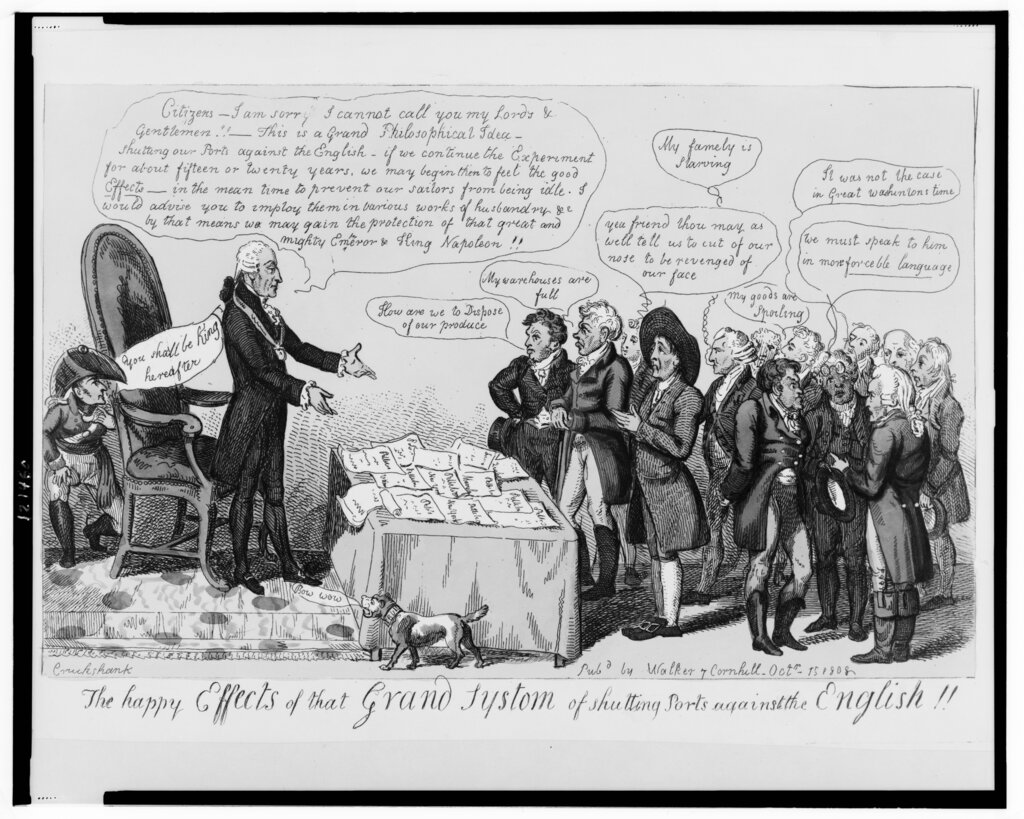
One of the most famous examples in U.S. history is the Tariff of 1828, nicknamed the "Tariff of Abominations" by its Southern opponents. It placed high taxes on imported goods to protect Northern factories, but it hurt the Southern states, which relied on exporting raw materials and importing manufactured goods. This event highlighted the regional tensions that tariffs can create within a single country.
Over time, the role of tariffs has evolved. While still used for protection and revenue, they are now often part of complex international trade agreements designed to regulate the flow of goods between nations.
Ready to check your understanding?