US-China Tariffs and Consumer Prices
Introduction to Tariffs
What Is a Tariff?
A tariff is a tax placed on an imported good. Think of it like a toll a product has to pay to enter a country. Governments use tariffs for two main reasons: to raise money and to protect domestic industries from foreign competition. By making imported goods more expensive, tariffs can encourage consumers to buy products made in their own country.
Tariff
noun
A tax or duty to be paid on a particular class of imports or exports.
These taxes are a fundamental tool of trade policy, shaping the flow of goods between nations. The amount and type of tariff can influence everything from the price of a t-shirt to the health of a country's car manufacturing industry.
The Main Types of Tariffs
Not all tariffs are created equal. They generally fall into three categories, based on how the tax is calculated.
Ad Valorem Tariffs This is a percentage-based tax. The term comes from Latin, meaning "according to value." If a country puts a 10% ad valorem tariff on imported cars, a car valued at 💲20,000 would face a 💲2,000 tax, while a 💲50,000 car would face a 💲5,000 tax. The tariff amount scales with the price of the good.
Specific Tariffs This is a fixed fee based on the physical unit of the imported item, like its weight, volume, or quantity. For example, a country might charge a tariff of $1 for every barrel of oil imported, or $50 for every ton of steel. The price of the oil or steel doesn't matter; the tax per unit is always the same.
Compound Tariffs As the name suggests, this is a hybrid approach. A compound tariff combines both an ad valorem and a specific tariff. A country might tax an imported suit with a specific tariff of $10 plus an ad valorem tariff of 5% of its value. This gives domestic industries a base level of protection while also accounting for the item's price.
| Tariff Type | How It's Calculated | Example |
|---|---|---|
| Ad Valorem | Percentage of the item's value | 10% tax on an imported car |
| Specific | Fixed amount per physical unit | $0.25 tax per imported pound of cheese |
| Compound | A mix of both ad valorem and specific | $2 tax + 3% of value on a pair of shoes |
A Brief History of Tariffs
Tariffs are as old as trade itself. For centuries, they have been a key source of government revenue and a tool for economic strategy. In the early days of the United States, for instance, the Tariff Act of 1789 was one of the first pieces of legislation passed by the new government. Its main purpose was to fund the federal government's operations.
But tariffs have also been a source of conflict. The famous "Tariff of Abominations" in 1828 placed high taxes on imported goods to shield burgeoning industries in the northern U.S. from foreign competition. While northern manufacturers celebrated, southerners, who relied on trading cotton for foreign goods, felt it unfairly raised their costs. This tension highlighted the dual nature of tariffs: they protect some while potentially harming others.
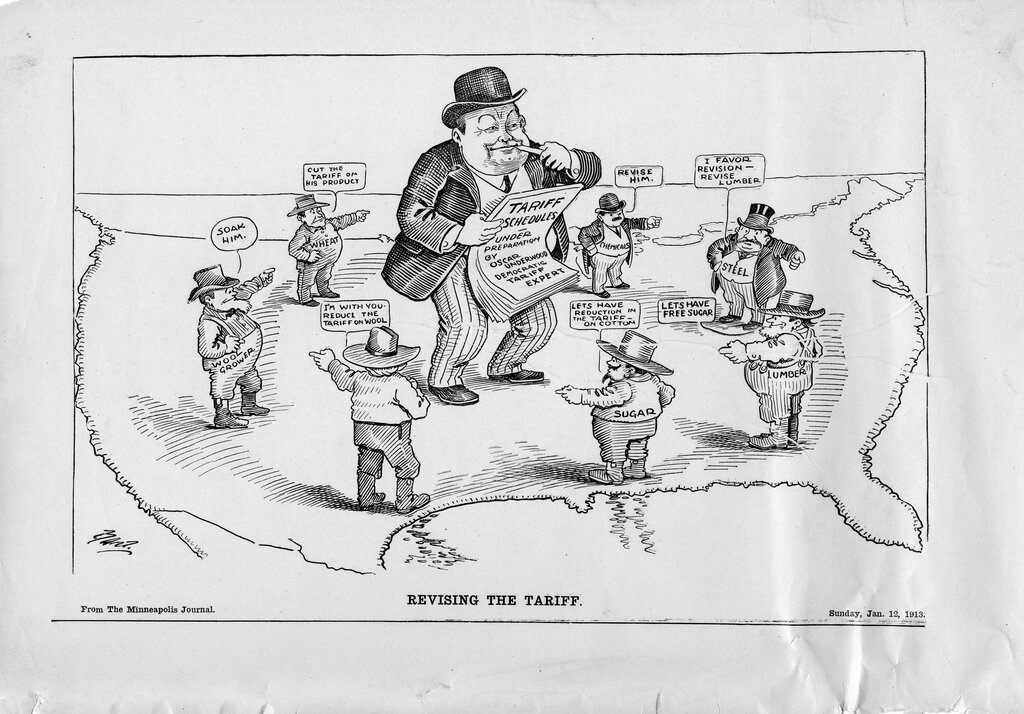
Throughout history, nations have raised and lowered tariffs to respond to economic crises, negotiate with trade partners, and pursue political goals. They remain a powerful and often controversial part of the global economy.
Ready to check your understanding?
What are the two primary reasons governments implement tariffs?
A country imposes a tax of $5 for every pair of shoes imported, regardless of the shoes' price. What type of tariff is this?
Now that you understand what tariffs are and the different forms they can take, you're ready to explore their real-world effects.