US China Tariffs and Consumer Prices
Introduction to Tariff Policies
What Are Tariffs?
A tariff is a tax placed on an imported good. Governments use them for two main reasons: to protect domestic industries from foreign competition and to raise revenue.
tariff
noun
A tax or duty to be paid on a particular class of imports or exports.
Think of it like this. Imagine two companies sell widgets. One is local, and the other is from another country. If the foreign company can make and sell widgets for less, the local company might struggle to compete. A government might impose a tariff on the foreign widgets, making them more expensive. This levels the playing field, giving the local company a better chance to sell its products.
This strategy is a form of protectionism. By making imports more costly, tariffs encourage consumers and businesses to buy domestically produced goods. At the same time, the money collected from the tax goes to the government, just like revenue from income or sales taxes.
The goal is often to shield jobs, support emerging industries, or maintain production of critical goods within a country's own borders.
A Quick Look Back
Tariffs are one of the oldest tools of economic policy. For centuries, they were a primary source of funding for governments around the world. In the early days of the United States, before the federal income tax was established in 1913, tariffs and excise taxes were the main source of revenue for the national government.
Historically, these taxes were applied to a wide range of goods, from spices and textiles to industrial materials. The rates could vary dramatically depending on the product and the country of origin.
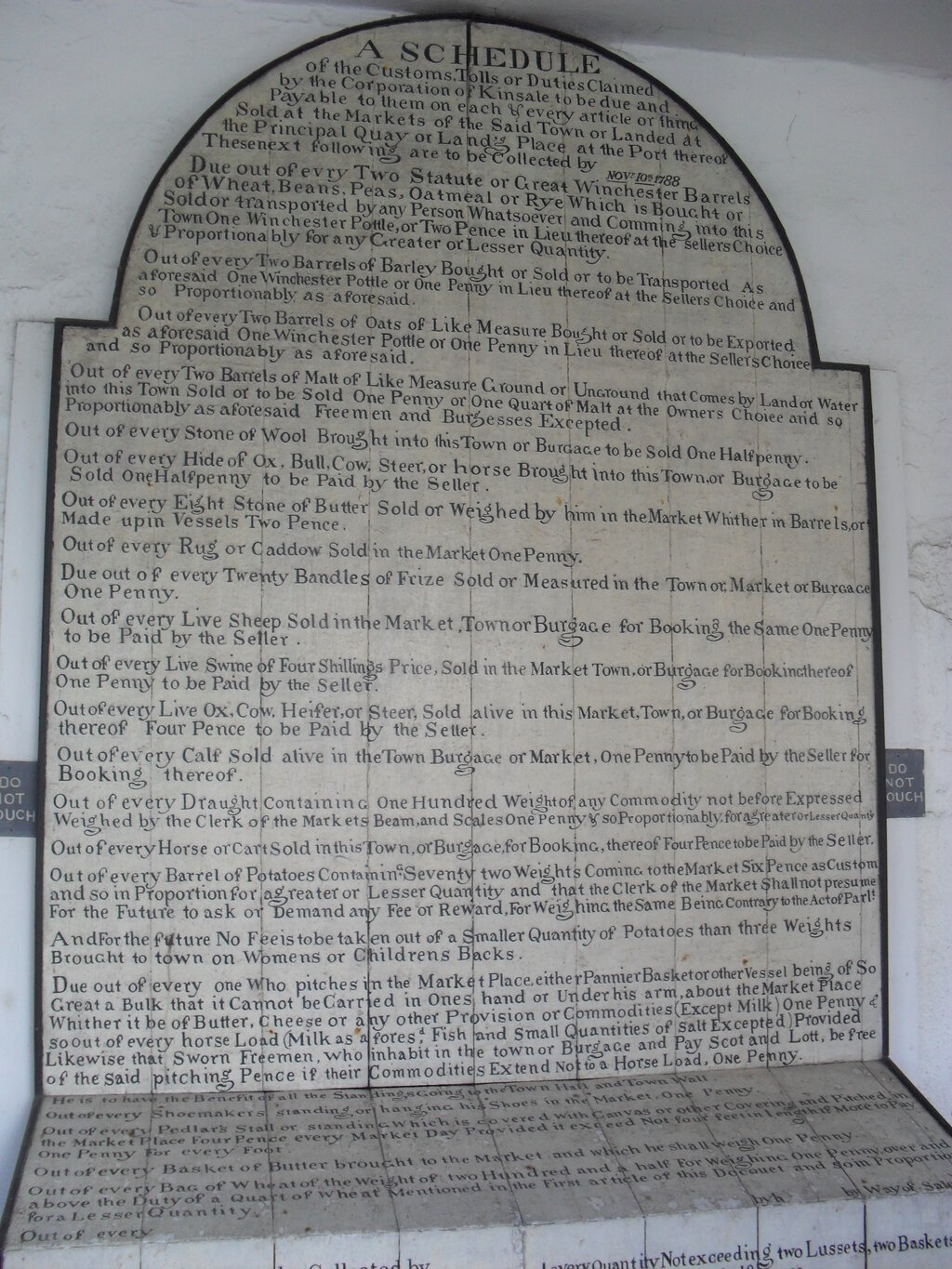
Over time, the role of tariffs has shifted. While still a source of revenue, they are now more frequently used as a tool in international trade negotiations and to protect specific industries from global competition.
The Economics of a Tariff
To understand how a tariff works, let's look at a simple supply and demand model for a single product, like television sets.
Imagine a country where domestically produced TVs are naturally more expensive than those made elsewhere. Without any trade barriers, the country would import cheaper TVs. The price consumers pay would be the lower "world price."
When a tariff is introduced, the price of imported TVs increases by the amount of the tax, from to . This has a few clear effects:
-
Domestic producers supply more. At the higher price , it becomes profitable for local TV manufacturers to increase their output. Supply moves up their curve from to .
-
Domestic consumers buy less. The higher price causes some buyers to leave the market or purchase fewer TVs. Demand moves down its curve from to .
-
Imports fall. The combination of more domestic supply and less domestic demand shrinks the gap that was previously filled by imports.
The government also collects revenue, calculated by multiplying the tariff amount by the number of goods still being imported.
What are the two primary purposes of a government imposing a tariff?
In a supply and demand model, when a tariff is imposed on an imported good, what is the expected effect?
While simple in theory, the real-world effects of tariffs are complex, touching everything from international relations to the prices you see on the shelf. In the next section, we'll explore how these policies have shaped trade between specific nations.