US-China Tariffs and Consumer Prices
Introduction to Tariffs
What Are Tariffs?
A tariff is a tax imposed on goods that are imported into a country. It's one of the oldest and most common tools governments use to influence trade. When a foreign product arrives at the border, the government adds this extra cost, making it more expensive for consumers and businesses to buy.
Tariff
noun
A tax or duty to be paid on a particular class of imports or exports.
Why do countries use them? There are two primary reasons: to protect domestic industries and to generate revenue.
Protectionism is the goal of shielding a country's own businesses from foreign competition. Imagine a small, local shoemaker competing with a massive international company that can produce shoes for much less. A tariff on the imported shoes raises their price, making the locally made shoes more competitive. This can help keep local businesses afloat and protect jobs.
Revenue generation is the other key purpose. The money collected from tariffs goes directly to the government. Historically, before income taxes became widespread, tariffs were a primary source of funding for many nations. They helped pay for everything from roads and bridges to armies and government operations.
While tariffs can serve these purposes, they are also a subject of intense debate. They can be used as leverage in political negotiations or as a response to another country's trade practices. Balancing the benefits of protecting local industries with the potential for higher costs and international disputes is a central challenge of trade policy.
The Main Types
Not all tariffs are created equal. They can be calculated in different ways, leading to different effects. The three main types are ad valorem, specific, and compound tariffs.
Ad Valorem Tariffs This is the most common type. "Ad valorem" is Latin for "according to value." An ad valorem tariff is a percentage of the total value of the imported goods. For example, a country might place a 10% tariff on all imported cars. A car valued at 💲20,000 would incur a 💲2,000 tariff, while a car valued at 💲50,000 would face a 💲5,000 tariff.
Specific Tariffs Instead of being based on value, a specific tariff is a fixed fee levied on a physical unit of an imported good. This could be per item, per kilogram, per liter, or per pair. For instance, a government could impose a tariff of $1 on every imported t-shirt, regardless of whether the shirt costs $5 or $50.
Compound Tariffs As the name suggests, a compound tariff is a combination of an ad valorem and a specific tariff. An importer would have to pay both a percentage of the item's value and a fixed amount per unit. For example, the tariff on a box of imported cigars might be 5% of its value plus an additional $1 per box.
| Tariff Type | How It's Calculated | Example |
|---|---|---|
| Ad Valorem | Percentage of the good's value | 10% tax on an imported $300 television |
| Specific | Fixed fee per physical unit | $5 tax on each imported barrel of oil |
| Compound | Percentage of value + Fixed fee | 2% tax + $0.50 on each imported pair of shoes |
A Brief History
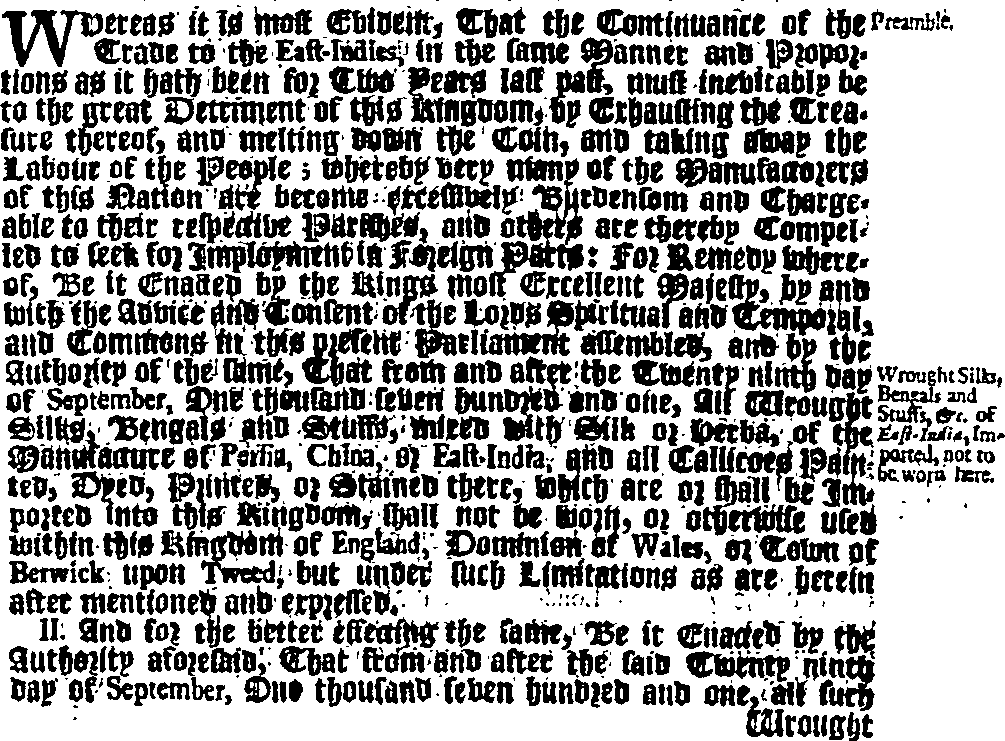
Tariffs have been around for centuries, long before the modern global economy. Ancient empires levied duties on goods passing through their territories. In the early days of the United States, tariffs were the federal government's main source of income. The first major piece of legislation passed by the new U.S. Congress in 1789 was a tariff act.
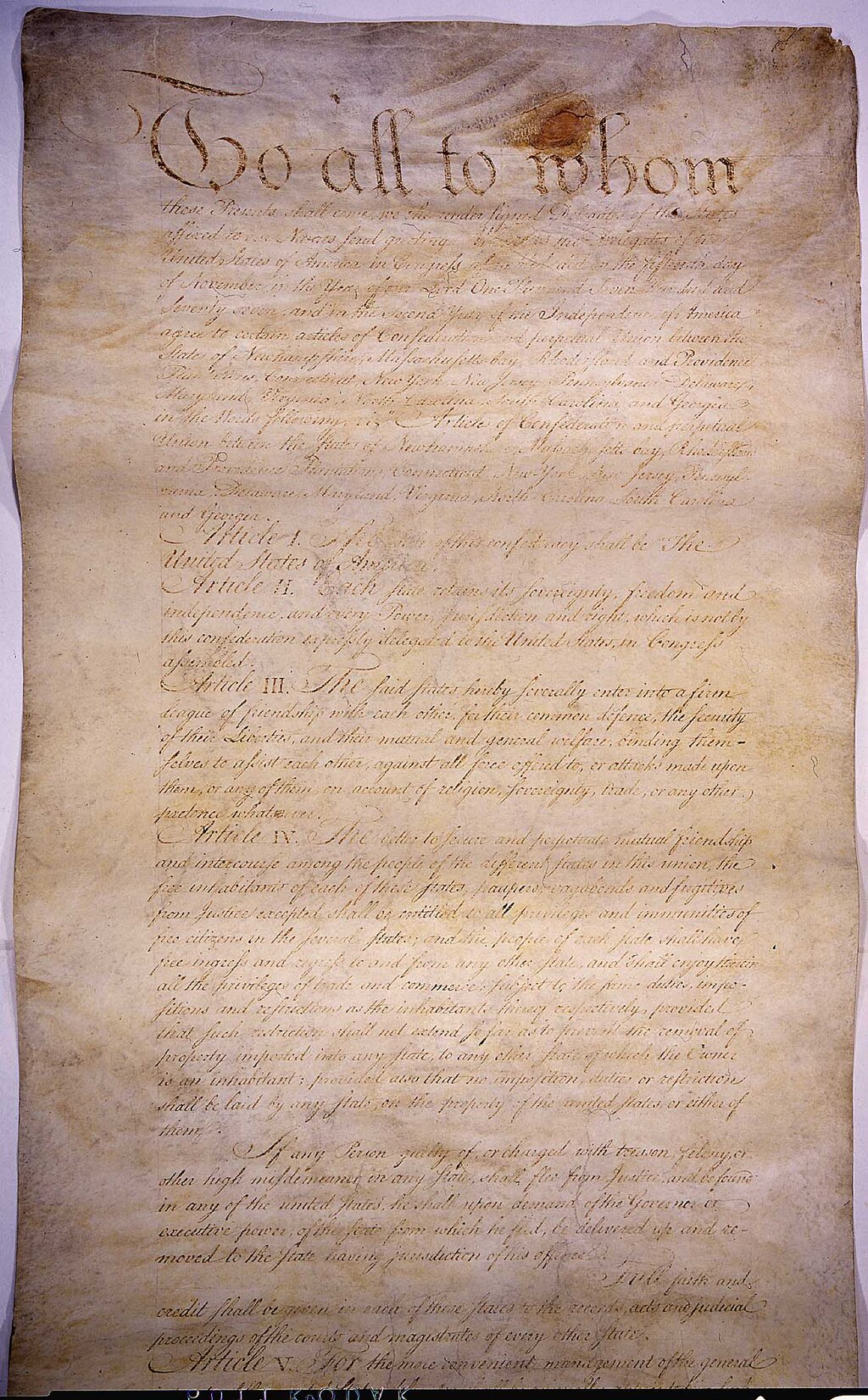
Throughout the 19th and early 20th centuries, tariff policy was a major point of political conflict. Debates raged over whether tariffs should be high to protect fledgling American industries or low to encourage trade and keep prices down for consumers.
After World War II, the global trend shifted towards free trade. International organizations were formed to reduce tariffs and other trade barriers, leading to a massive expansion of global commerce. However, tariffs never disappeared entirely. They remain a key part of every country's economic toolkit, used to address specific industries, respond to trade disputes, and navigate the complex world of international relations.
Tariffs serve as leverage for bilateral negotiations, leading to gradual reductions in exchange for trade concessions from partners.
This brings us to their modern role. While less critical for revenue in most developed countries, tariffs are still potent instruments of trade policy. They can be used to protect national security interests, safeguard emerging industries, or counteract unfair trade practices by other nations. The decision to raise or lower a tariff is a strategic one, with effects that ripple through both domestic and international economies.
What are the two primary reasons governments impose tariffs?
A tariff of $2 imposed on every imported barrel of oil, regardless of the oil's market price, is an example of what type of tariff?
Tariffs are a foundational concept in economics and international trade. Understanding what they are, the different forms they take, and why they are used sets the stage for analyzing their real-world impact.