US China Tariffs and Consumer Prices
Introduction to Tariff Policies
What Are Tariffs?
At its core, a tariff is a tax. But instead of taxing income or property, it taxes goods that are imported into a country. When a product made in another country arrives at the border, the government charges the importer a fee. That fee is the tariff.
Tariff
noun
A tax imposed by a government on goods and services imported from other countries.
Governments use tariffs for a few main reasons. The most common is to protect domestic industries from foreign competition. By making imported goods more expensive, tariffs encourage consumers and businesses to buy products made within their own country. They can also be a source of government revenue or a tool in political negotiations between countries, acting as a point of leverage to influence another nation's policies.

Types of Tariffs
Not all tariffs are created equal. They are calculated in different ways, leading to three main types.
An ad valorem tariff is a percentage of the imported good's value. For example, a 10% ad valorem tariff on a 💲200 smartphone would be 💲20.
A specific tariff is a fixed fee based on the quantity, weight, or volume of the imported good. For instance, a government might charge a specific tariff of $50 for every barrel of oil imported, regardless of the oil's market price.
A compound tariff is simply a combination of the two. An imported product could be subject to both a 5% ad valorem tariff and a 💲1 specific tariff per unit.
| Tariff Type | How It's Calculated | Example |
|---|---|---|
| Ad Valorem | Percentage of the item's value | 15% tax on an imported car |
| Specific | Fixed fee per unit, weight, or volume | $0.50 tax per imported t-shirt |
| Compound | A mix of ad valorem and specific | 5% tax + $0.25 per item |
How Tariffs Work in Practice
Implementing tariffs is a detailed process. When goods arrive at a port of entry, a country's customs authority is responsible for inspecting them, determining their value, and classifying them. This classification is crucial because it decides which tariff rate applies.
Most countries use a standardized system to classify goods called the Harmonized System (HS). It's a detailed list that assigns a specific code to virtually every product imaginable, from live animals to machinery. The country's tariff schedule then lists the tax rate for each code.
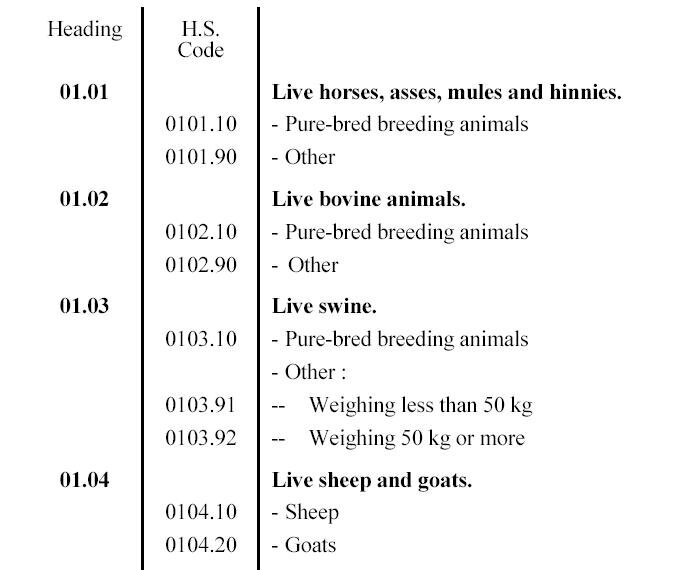
The importer of the goods is responsible for paying the tariff to the government. This cost is often passed on to consumers in the form of higher prices. A company that imports electronic components, for example, will factor the tariff cost into the final price of the gadget it sells.
A Brief History of Tariffs
Tariffs are one of the oldest forms of trade policy. For centuries, they were a primary source of funding for governments around the world, long before income taxes became common. In the early days of the United States, tariffs on imports paid for most of the federal government's operations.
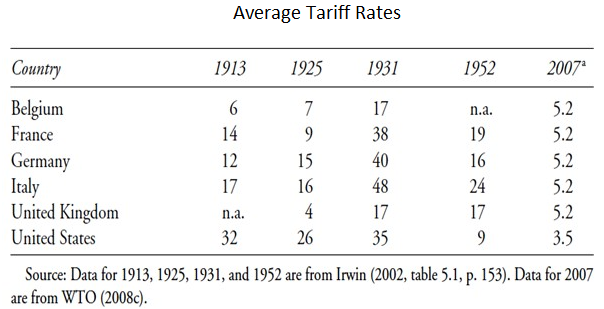
Over time, the role of tariffs has shifted. While still a source of revenue, they are now more frequently used as a tool to protect specific industries or to achieve foreign policy goals. The general trend over the past 70 years has been toward lower tariffs and freer trade, facilitated by international agreements and organizations like the World Trade Organization (WTO). However, heated debates about their use and impact continue to this day.