US-China Tariffs and Consumer Costs
Introduction to Tariffs
What Are Tariffs?
At its core, a tariff is simply a tax. But instead of being a tax on your income or something you buy at a local store, it's a tax on goods that are imported from another country.
Tariff
noun
A tax or duty to be paid on a particular class of imports or exports.
Governments use tariffs for two main reasons. The first is to raise money. By collecting taxes on goods entering the country, the government generates revenue.
The second, more common reason is protectionism. Tariffs make imported goods more expensive. This price increase gives a competitive advantage to domestic companies that produce similar goods, encouraging consumers to buy locally made products.
Think of it like this: your local farmers' market sells apples for 💲3 a pound. A large supermarket chain can import apples and sell them for 💲2 a pound. To help the local farmers compete, the government could place a 💲1.50 tariff on each pound of imported apples. Suddenly, the imported apples cost 💲3.50, making the local apples the cheaper option.
The Main Types
Not all tariffs are created equal. They are usually calculated in a few different ways, depending on the product and the policy goal.
| Tariff Type | How It Works | Example |
|---|---|---|
| Ad Valorem | A percentage of the imported good's value. The more expensive the item, the higher the tax. | A 10% tariff on a $30,000 imported car is $3,000. |
| Specific | A fixed fee based on the number, weight, or volume of items. The value of the item doesn't matter. | A $1 tariff per imported bottle of wine, regardless of its price. |
| Compound | A combination of an ad valorem and a specific tariff. | A $0.50 tariff per kilogram of cheese, plus 5% of its total value. |
The term "ad valorem" comes from Latin and means "according to value." This is one of the most common types of tariffs you'll encounter.
A Quick Look Back
Tariffs have a long history and have been a tool of economic policy for centuries. In fact, for much of early U.S. history, tariffs were the federal government's primary source of revenue, long before income taxes were established. The very first major piece of legislation passed by the first U.S. Congress was the Tariff Act of 1789, which was enacted to both fund the new government and protect fledgling American industries.
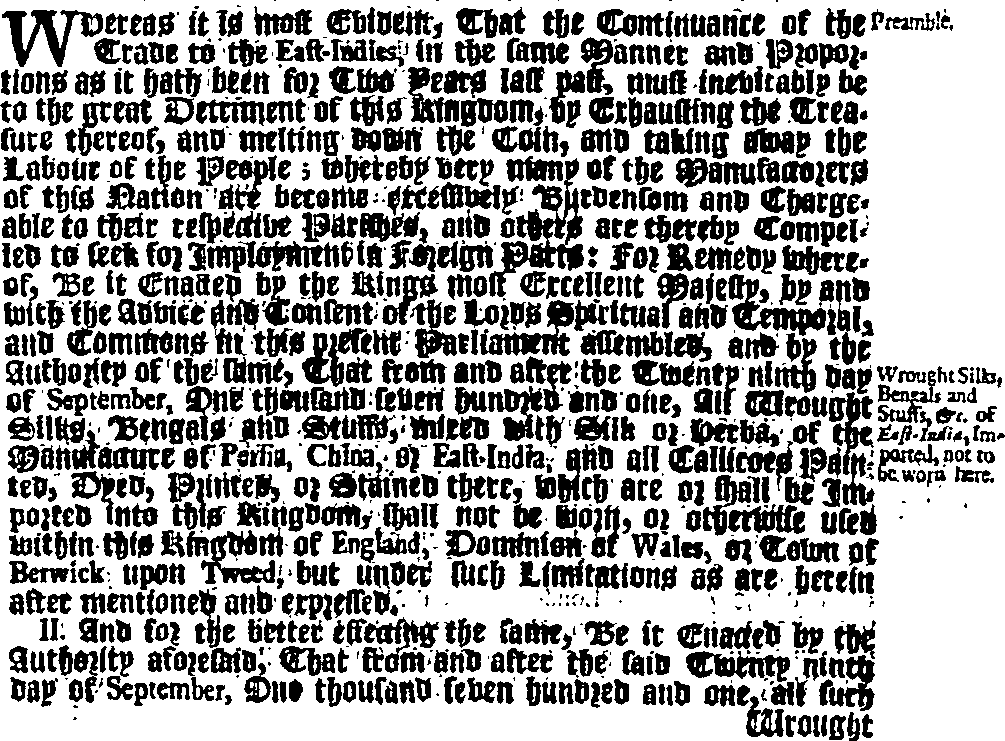
Throughout history, countries have raised and lowered tariffs to respond to economic changes, political pressures, and trade relationships with other nations. They remain a powerful instrument for shaping trade and protecting domestic economic interests.
What is the primary function of a tariff?
When a government uses tariffs for 'protectionism,' what is the main goal?
Understanding these basics sets the stage for looking at how tariffs are applied in the modern global economy.