US Card Payment Processing Explained
Introduction to Payment Systems
What Are Payment Systems?
At its core, a payment system is the set of tools, procedures, and rules used to transfer money from one person or entity to another. Think of it as the financial plumbing of our economy. Without it, buying groceries, paying rent, or getting a paycheck would be incredibly complicated.
Banks are a critical intermediary in what we call the payment system, which helps an economy exchange goods and services for money or other financial assets.
These systems enable commerce on every level, from a local coffee shop to a multinational corporation. A smooth, reliable payment system builds trust and allows the economy to function and grow. When you tap your card or click “buy now,” you are using a complex and vital network that moves value securely and efficiently.
From Barter to Bits
Payment methods have come a long way. For centuries, physical objects like coins and paper currency were the primary means of exchange. Cash was simple, direct, and anonymous.
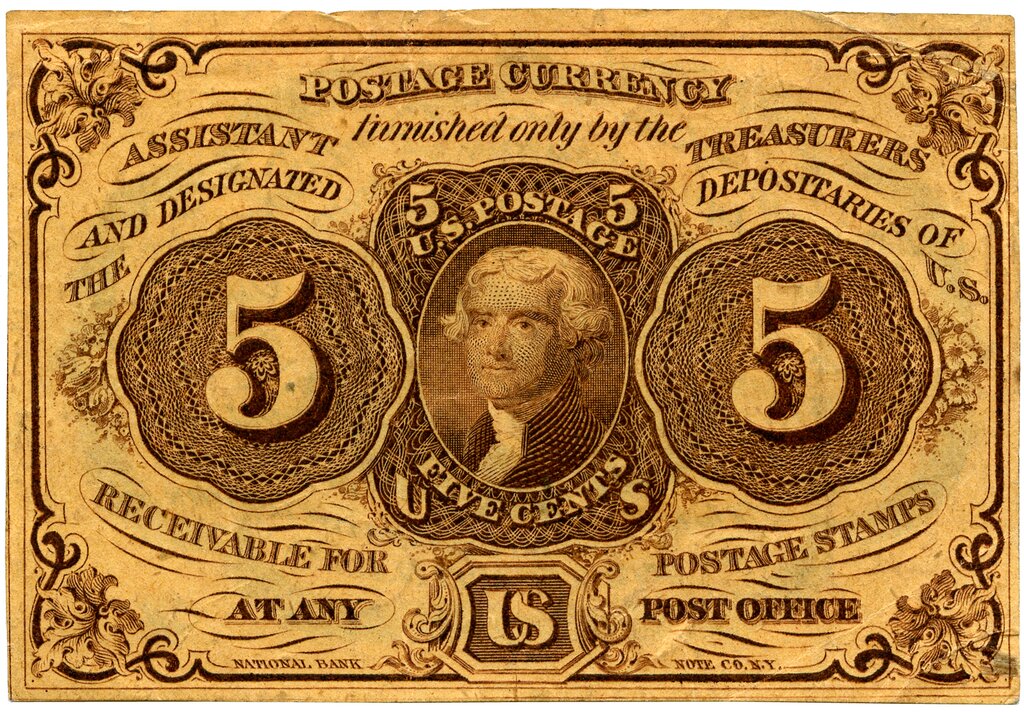
As commerce grew, carrying large amounts of cash became impractical and risky. The check was a major innovation, allowing people to transfer large sums of money with just a piece of paper. It was a promise to pay from funds held in a bank account.
The next big leap was the move to electronic payments. The introduction of payment cards in the mid-20th century changed everything. Suddenly, you didn't need cash or a checkbook to make a purchase.
These systems introduced the concept of using a card for purchases without immediate cash.
This shift paved the way for today's digital world, where payments can be made instantly from a phone, a watch, or a computer.
Modern Ways to Pay
Today, we have a variety of payment methods at our disposal. While some older methods are still around, electronic systems dominate.
-
Cash: Physical currency is still used, especially for smaller transactions, but its overall usage has declined significantly.
-
Checks: Though much less common now, checks are still used for certain payments like rent or by some businesses.
-
Electronic Payments: This broad category covers most modern transactions. It includes several key types:
Card Payments: This is the most common form of electronic payment. Debit cards draw money directly from your bank account, while credit cards let you borrow money to be paid back later.
ACH (Automated Clearing House): This network is used for transactions like direct deposit paychecks and automatic bill payments. They are reliable but typically take a few business days to process.
Wire Transfers: These are used to move large amounts of money quickly and securely from one bank to another, often for things like real estate closings.
Mobile & Digital Wallets: Services like Apple Pay, Google Pay, and PayPal store your card information on a device, allowing you to pay without a physical card.
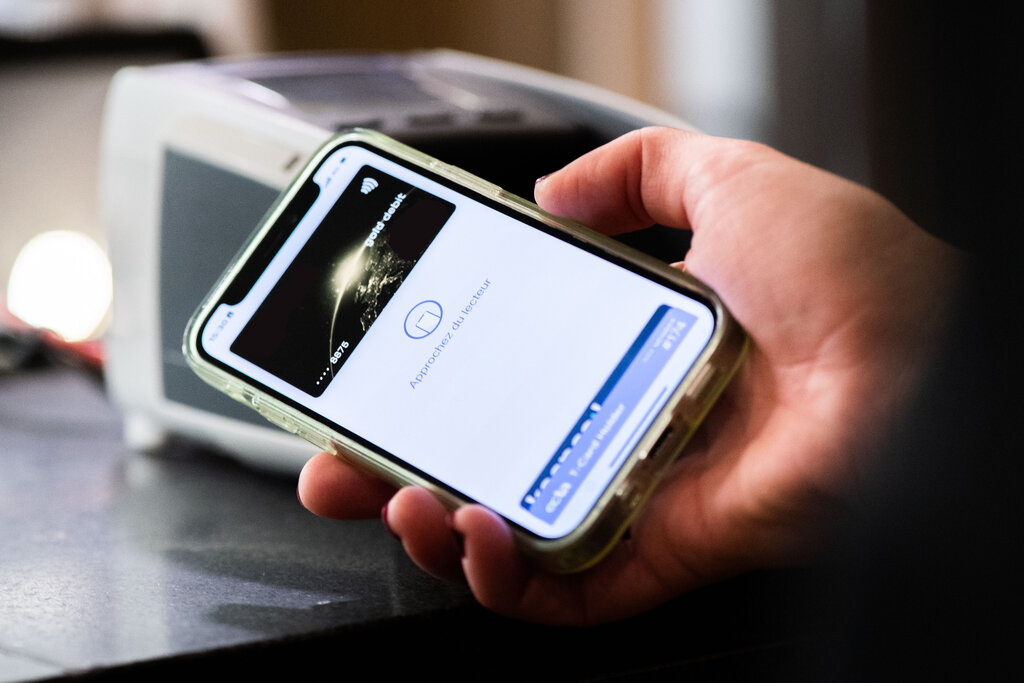
Each of these methods has its own set of rules, costs, and technologies behind it. Understanding these basic types is the first step to understanding the entire payment processing ecosystem.
What is the core function of a payment system?
Before the rise of electronic payments, which innovation made it safer and more practical to transfer large sums of money compared to using cash?