US Autonomous Driving Systems
Introduction to Autonomous Vehicles
The Car That Drives Itself
An autonomous vehicle, often called a self-driving car, is a vehicle that can guide itself without human conduction. It uses a combination of sensors, cameras, radar, and artificial intelligence (AI) to travel between destinations without a human operator.
Autonomous
adjective
Having the freedom to govern itself or control its own affairs.
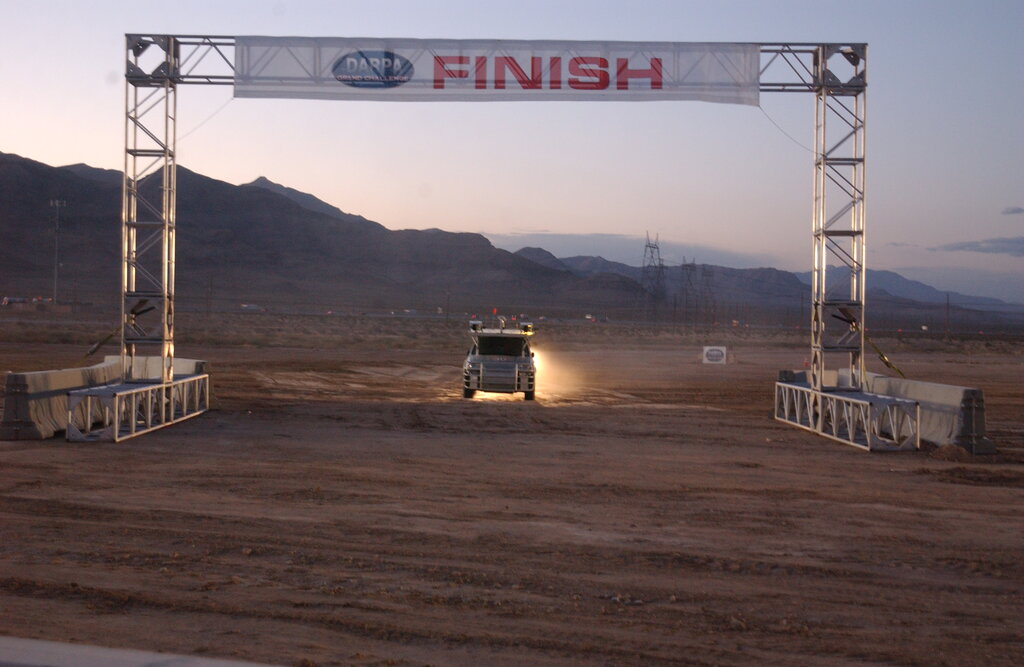
The idea isn't new. For decades, inventors and engineers have dreamed of cars that could handle the driving for us. Early experiments in the 20th century laid the groundwork, but the real push began in the 2000s with challenges sponsored by the U.S. government's research agency, DARPA. These competitions spurred innovation that directly led to the self-driving car projects we see today.
The Levels of Autonomy
Not all “self-driving” features are the same. To clear up the confusion, the Society of Automotive Engineers (SAE) developed a standard called J3016, which defines six levels of driving automation. These levels range from Level 0, where a human does everything, to Level 5, where the car needs no human intervention at all.
| Level | Name | What the Car Does | What the Human Does |
|---|---|---|---|
| 0 | No Driving Automation | Nothing. Issues warnings at most. | Everything. Steers, brakes, accelerates. |
| 1 | Driver Assistance | Helps with either steering or speed. | Handles all other driving tasks. |
| 2 | Partial Driving Automation | Helps with both steering and speed. | Stays alert and ready to take over. |
| 3 | Conditional Driving Automation | Manages most driving in specific conditions. | Must be ready to take back control. |
| 4 | High Driving Automation | Handles all driving in a limited area. | Can safely disengage, but only in that area. |
| 5 | Full Driving Automation | Handles all driving on any road, in any condition. | Nothing. Can be a passenger only. |
Understanding these levels is key. Most new cars today with features like adaptive cruise control and lane-keeping assist are at Level 2. The car is helping, but you are still fully responsible for driving. The leap to Level 3 is significant because it's the first point where the car is considered to be driving itself, but only under certain conditions. Level 4 and 5 are where true autonomy begins, but they come with their own limitations and challenges.
Where We Are Today
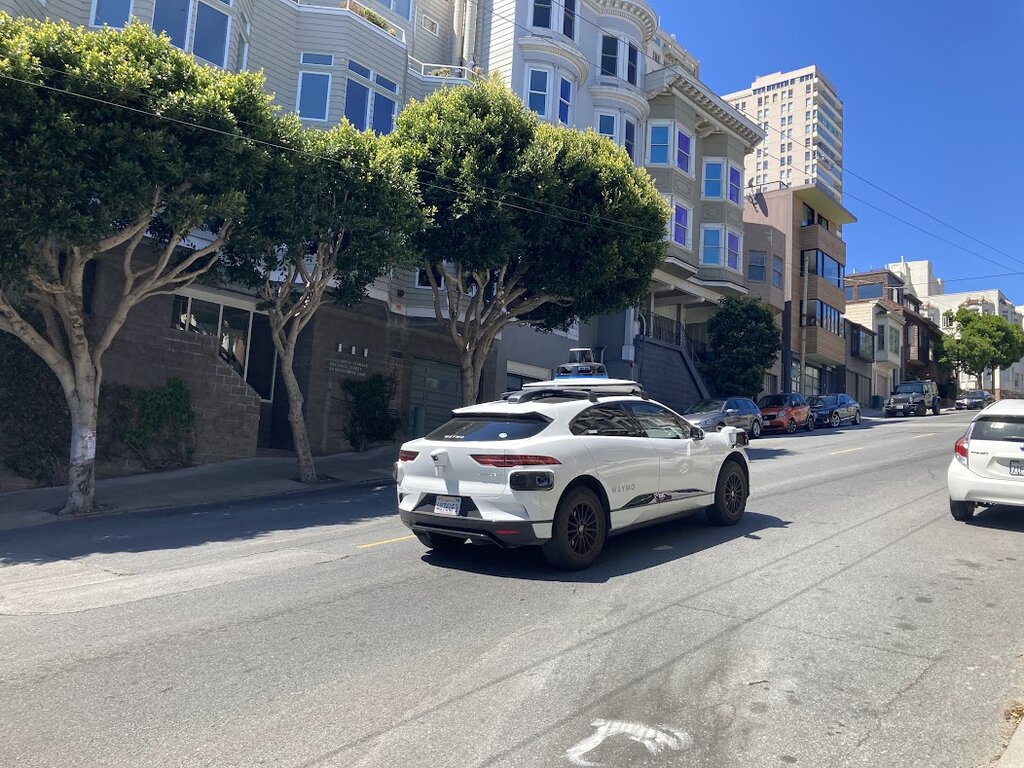
Currently, several companies are operating vehicles at Level 4 in select cities around the world. These services, often called robotaxis, are "geofenced," meaning they can only operate within a specific, pre-mapped geographic area. They are equipped with sophisticated sensors like LiDAR and cameras to perceive their environment.
Achieving widespread Level 5 autonomy remains a massive challenge. Vehicles must be able to handle not just typical driving conditions but also unexpected events, or "edge cases," like erratic pedestrians or unusual weather. Beyond the technical hurdles, there are also regulatory and legal questions to answer before fully autonomous cars become a common sight on our roads.
Ready to test your knowledge?
What is the primary technology combination that enables an autonomous vehicle to navigate and travel without a human operator?
Which organization's competitions in the 2000s were a major catalyst for the development of modern self-driving cars?
This foundational knowledge sets the stage for understanding the complex systems and technologies that make self-driving cars possible.