US Army Air Assault Operations Tactics
Air Assault Fundamentals
What is Air Assault?
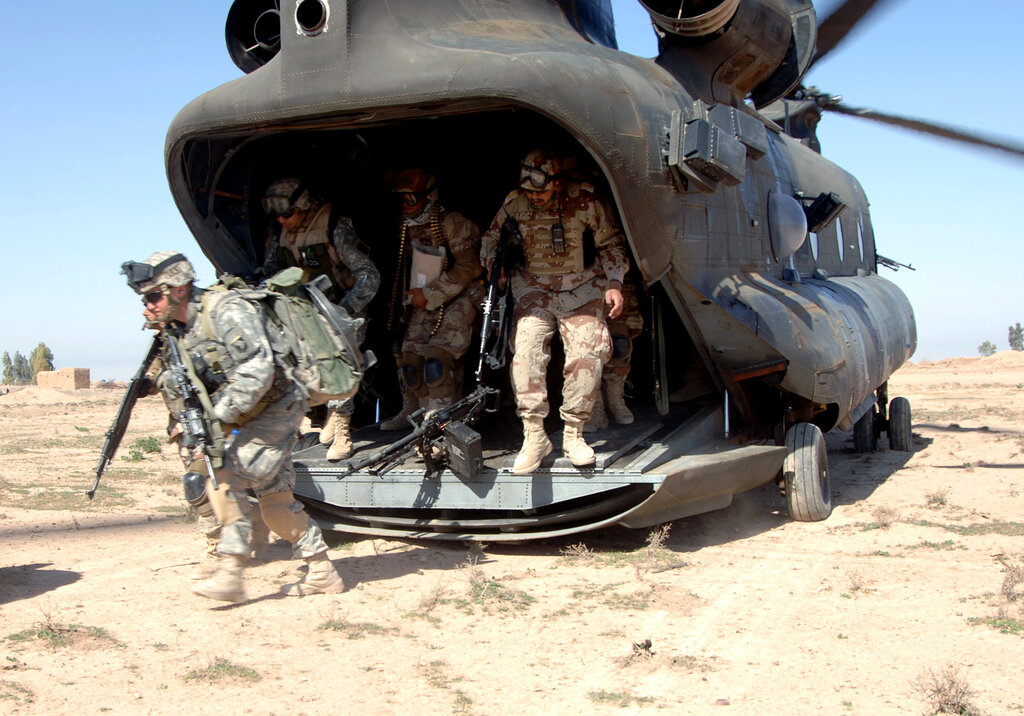
Air assault is a military tactic that uses helicopters to move ground forces into enemy territory. The goal is simple: get soldiers on the ground quickly to attack the enemy or capture a critical location. It's about using speed and surprise to gain an advantage.
Think of it like a football team running a trick play. Instead of grinding down the field, they throw a long pass to a receiver deep in the opponent's territory. Air assault operations work on a similar principle. They bypass obstacles like rivers, mountains, and enemy defenses to strike at a vulnerable point.
The core idea is to put a powerful combat force exactly where it will have the biggest impact, faster than the enemy can react.
A Brief History
The concept of moving troops by air isn't new, but it was perfected during the Vietnam War. Before helicopters, soldiers moved on foot or in vehicles, which was slow and predictable. The development of powerful, reliable helicopters changed everything.
The U.S. Army's 1st Cavalry Division (Airmobile) was the first unit to fully embrace this new way of fighting. They proved that helicopters could transport entire battalions of soldiers and their supplies directly into battle, leapfrogging over dense jungles and enemy positions. This innovation, called "airmobility," gave commanders unprecedented flexibility and fundamentally changed the pace of ground combat.
The Team Effort
A successful air assault mission relies on a seamless partnership between two key types of units: infantry and aviation.
Infantry units are the ground troops, the assaulters. They are the soldiers who conduct the mission once they land. Their job is to fight the enemy, seize objectives, and hold territory. They are the reason for the operation.
Aviation units provide the transportation and firepower. Pilots and crews fly utility helicopters like the UH-60 Black Hawk to carry soldiers, and heavy-lift helicopters like the CH-47 Chinook to move equipment and supplies. They also fly attack helicopters, such as the AH-64 Apache, to protect the transport helicopters and provide fire support for the troops on the ground.
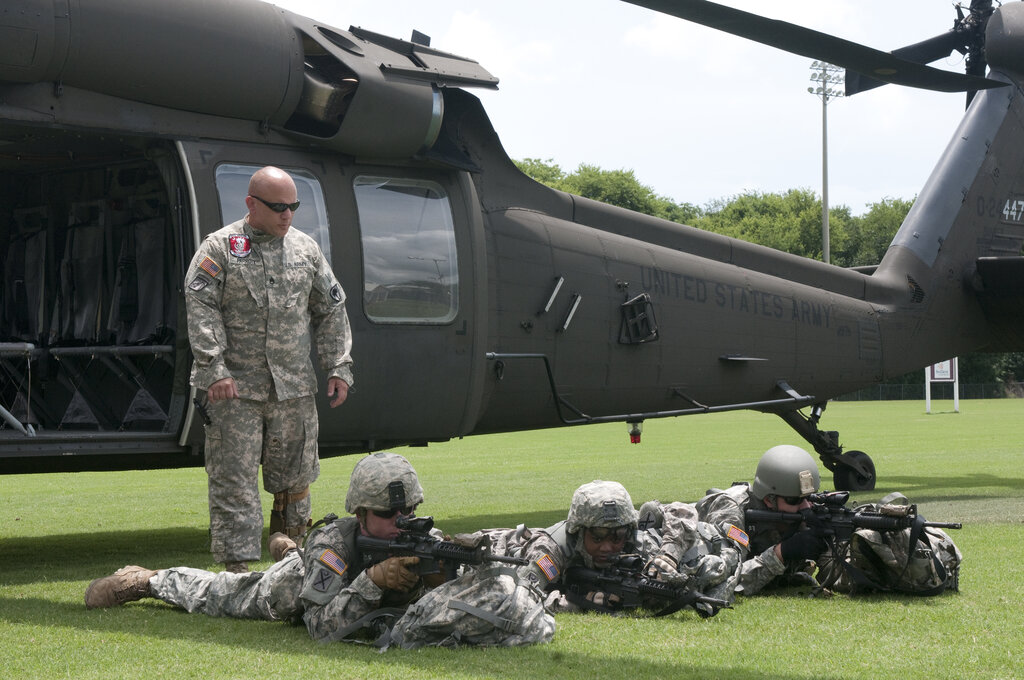
Constant communication and coordination between these two elements are essential. The infantry relies on the pilots to get them to the right place at the right time, and the pilots rely on the infantry to secure the landing zone and accomplish the mission.
Key Principles
Air assault operations are guided by a few core principles that make them so effective.
| Principle | Description |
|---|---|
| Speed & Mobility | Move forces rapidly across the battlefield, bypassing obstacles. |
| Surprise | Attack the enemy at an unexpected time and place. |
| Firepower | Use attack helicopters to support ground troops and destroy enemy targets. |
| Flexibility | Quickly change plans or redirect forces to adapt to a changing situation. |
By adhering to these principles, air assault units can concentrate their combat power at a decisive point, overwhelming the enemy before they have a chance to mount an effective defense. This combination of mobility and firepower makes air assault one of the most powerful tools in modern warfare.
Ready to test your knowledge?
What is the primary purpose of an air assault operation?
The concept of "airmobility" was famously perfected by the U.S. Army during which conflict?
Understanding these fundamentals provides the foundation for learning about the detailed planning and execution of air assault missions.