Urdu Book Writing Essentials
Urdu Script Basics
The Urdu Script
Welcome to the Urdu script! Before diving into vocabulary and grammar, getting comfortable with how Urdu is written is the most important first step. Urdu uses a modified version of the Perso-Arabic script, which might look complex at first, but it follows a consistent logic.
The alphabet is the building block of the Urdu language.
One of the first things you'll notice is that Urdu is written from right to left. This is a big change for English speakers, but you'll get used to it quickly. The script is also cursive, meaning letters in a word are usually connected, flowing into one another. The particular style used for Urdu is called Nasta'liq, famous for its beauty and elegance.
The Alphabet
The Urdu alphabet contains 38 letters. A key feature of the script is that most letters change their shape depending on their position within a word. A letter can have up to four forms:
- Isolated: When the letter stands alone.
- Initial: When it appears at the beginning of a word.
- Medial: When it's in the middle of a word.
- Final: When it's at the end of a word.
This might sound like a lot to learn, but many letters follow similar patterns. You'll soon see that groups of letters share the same basic shape and are only distinguished by dots, called nuqte.
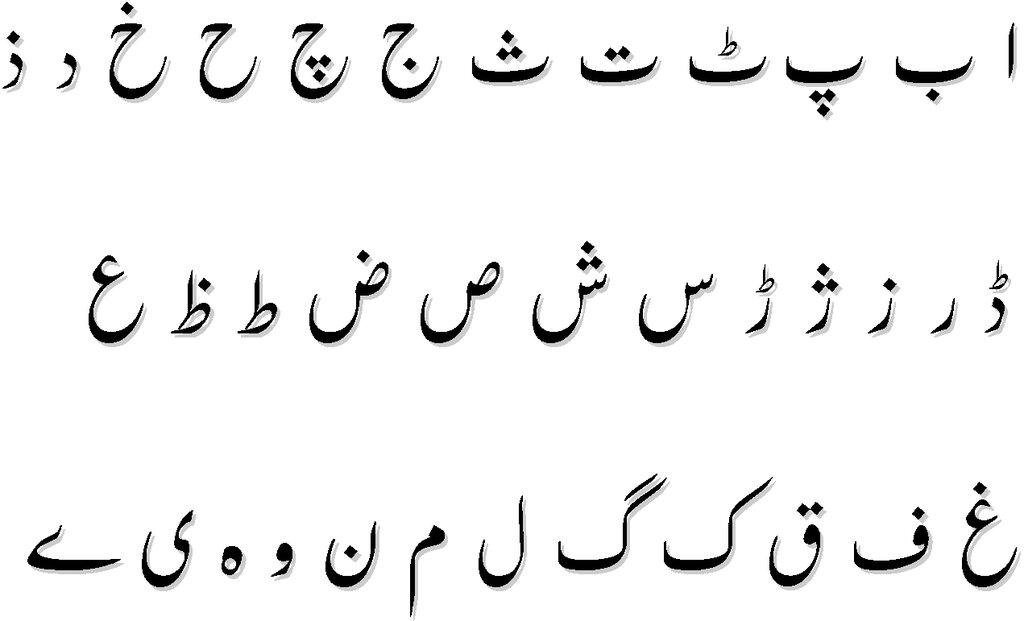
Let's look at how this works with a few letters. Notice how the dots are crucial for telling them apart.
| Letter | Name | Sound | Initial | Medial | Final |
|---|---|---|---|---|---|
| ب | Be | b | بـ | ـبـ | ـب |
| پ | Pe | p | پـ | ـپـ | ـپ |
| ت | Te | t | تـ | ـتـ | ـت |
| ٹ | Ṭe | T (retroflex) | ٹـ | ـٹـ | ـٹ |
| ث | Se | s | ثـ | ـثـ | ـث |
As you can see, the basic shape is the same for all five letters in their initial and medial forms. Only the number and placement of dots change. Mastering these shapes and dot patterns is the key to reading Urdu.
Writing in Nasta'liq
The standard script for writing Urdu is Nasta'liq. It's known for its fluid, rounded strokes and a distinct diagonal slant. Words don't sit flat on a line like in English; instead, they flow downward from right to left, creating a beautiful cascading effect.
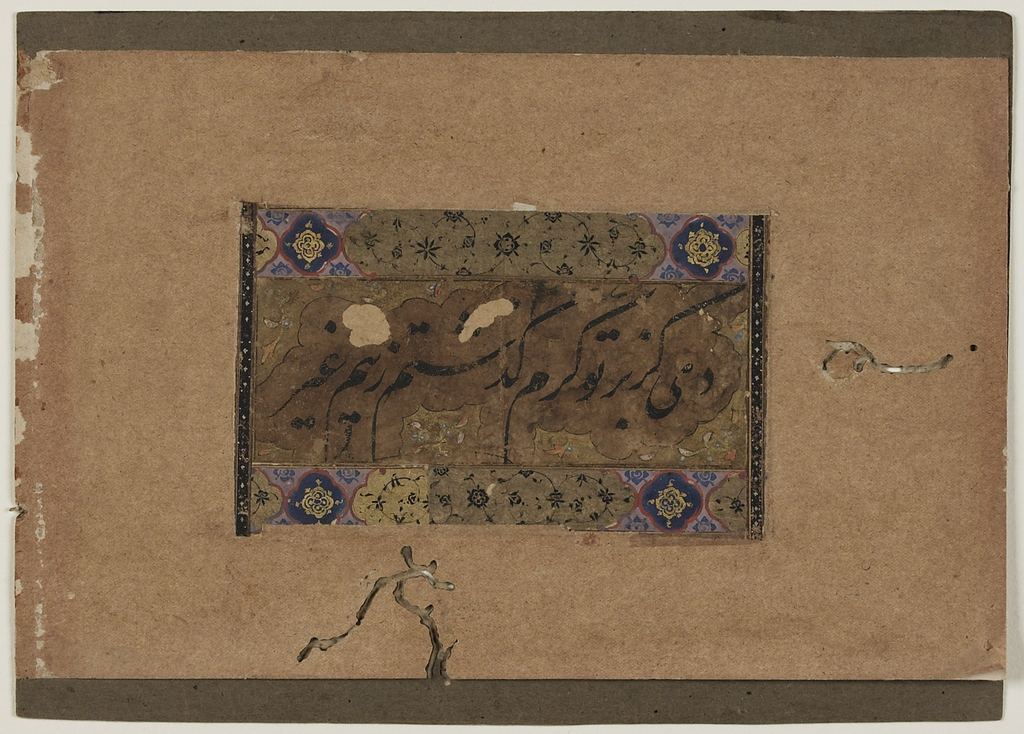
Let's try writing a very simple word: اب (ab), which means "now". This word is made of two letters:
- ا (alif) - makes an 'a' sound.
- ب (be) - makes a 'b' sound.
Since 'alif' is one of the few letters that doesn't connect to the letter following it, both letters will appear in their isolated or final forms. You write the 'alif' first (on the right), then the 'be' to its left. And that's it! You've written your first Urdu word.
now
Now let's try a word where letters connect: بت (bat), meaning "idol".
- ب (be) - 'b' sound
- ت (te) - 't' sound
Here, the 'be' is at the beginning, so you use its initial form (بـ). The 'te' is at the end, so you use its final form (ـت). Connect them, and you get بت.
Start by practicing the individual letters. Trace them, write them, and get a feel for their shapes. Once you're comfortable, you can start combining them into simple words.
Ready to test what you've learned about the Urdu script?
What is the primary direction of writing in the Urdu script?
The elegant, cursive style of script used for writing Urdu, known for its flowing and slanted appearance, is called ______.
Learning a new script takes time and practice. Be patient with yourself, focus on one letter at a time, and you'll be reading and writing basic Urdu before you know it.