Urban Planning in Florida
Introduction to Urban Planning
Shaping Our Cities
Urban planning is the process of guiding how we use land and design communities. It's about deciding where to put homes, businesses, parks, and roads to create places that are functional, attractive, and sustainable. Think of it as creating a blueprint for a city or town.
This blueprint isn't just about buildings and streets. It also covers public transportation, utilities like water and electricity, and the public spaces that bring people together. Urban planners work with community members, developers, and government officials to make decisions that shape how a community grows and changes over time.
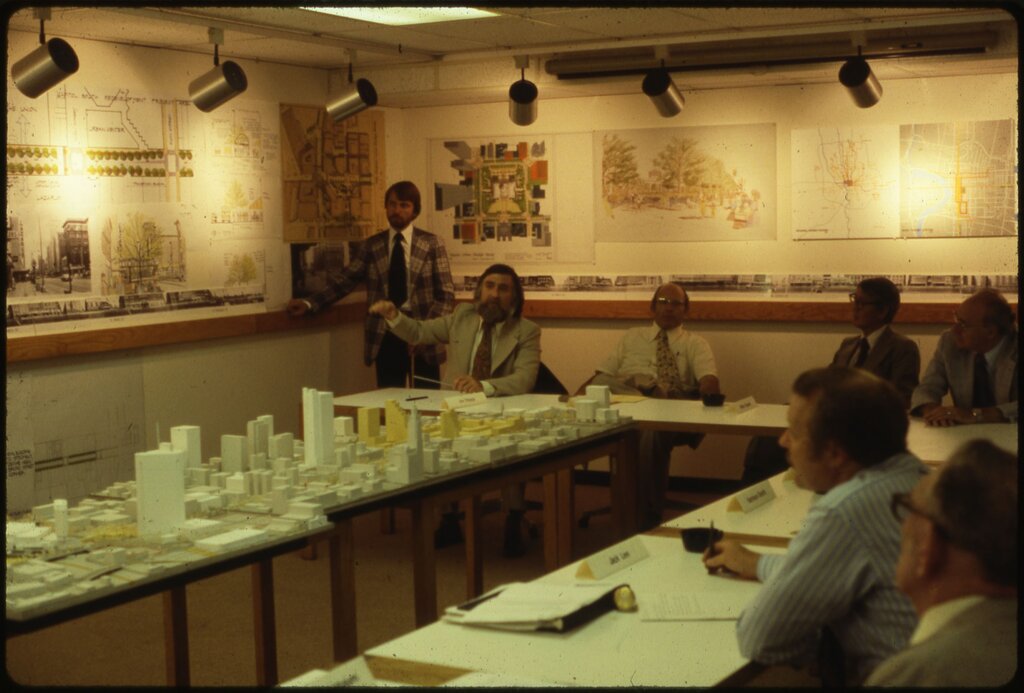
Their goal is to anticipate future needs while addressing current problems, balancing the interests of different groups to build a better community for everyone.
A Quick History
The idea of planning cities isn't new. Ancient civilizations like the Romans were famous for their grid-like street patterns, which made their cities organized and efficient. For centuries, however, many cities grew organically, without a master plan.
Modern urban planning emerged in the late 19th and early 20th centuries, largely as a response to the Industrial Revolution. Factories drew millions of people into cities, which quickly became overcrowded, unsanitary, and polluted. Planners and reformers began to look for ways to improve living conditions.
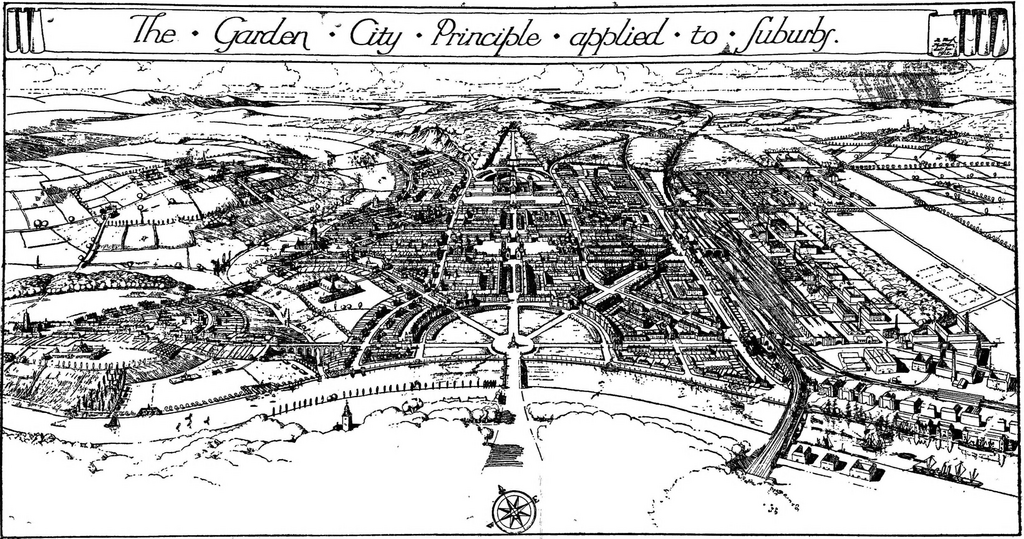
One influential idea was the "Garden City" concept, which proposed creating new, self-contained communities that combined the best of city and country life with homes, jobs, and green spaces.
Later, the rise of the automobile completely reshaped cities. Planners began designing around cars, leading to the development of sprawling suburbs and extensive highway networks. Today, many planners are focused on creating more walkable, transit-friendly communities that are less reliant on cars.
Core Principles
Effective urban planning is guided by a set of core principles. These values help planners make decisions that create well-rounded, successful communities.
Sustainability
noun
Meeting the needs of the present without compromising the ability of future generations to meet their own needs.
In planning, this means balancing environmental, economic, and social goals. A sustainable city protects natural habitats, promotes economic stability, and fosters a strong community. This can involve anything from creating parks and green roofs to encouraging local businesses and building energy-efficient homes.
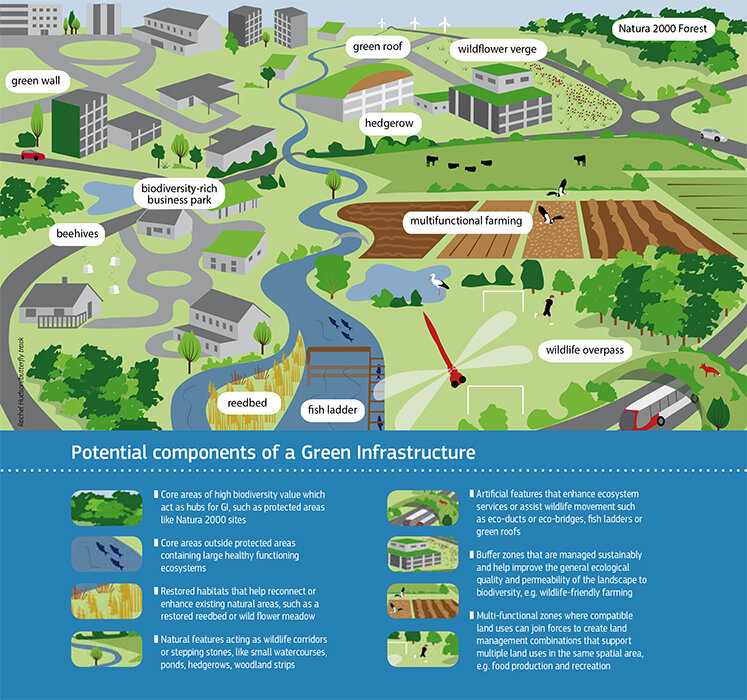
Equity is another key principle. It's about ensuring that all residents, regardless of their income, race, or background, have fair access to housing, jobs, transportation, and public services. An equitable city might invest in affordable housing, improve public transit in underserved neighborhoods, or ensure that parks are distributed evenly across the community.
Efficiency means using resources wisely. This often translates to promoting compact, mixed-use development, where homes, shops, and offices are located close together. This design reduces travel distances, saves energy, and makes it easier to provide services like water and electricity efficiently.
Resilience is the ability of a community to withstand and recover from challenges like natural disasters, economic downturns, or public health crises. Planners build resilience by, for example, avoiding development in flood-prone areas, diversifying the local economy, and creating strong social networks.
Finally, planning should promote inclusivity, health, and well-being. An inclusive city is designed to be accessible and welcoming to people of all ages and abilities. A healthy city encourages active lifestyles through walkable streets, bike lanes, and recreational spaces. It also works to reduce pollution and ensure access to fresh food and healthcare.
Let's review these concepts before you're tested on them.
Ready to check your understanding?
What is the primary goal of urban planning?
The emergence of modern urban planning in the late 19th and early 20th centuries was largely a response to the problems created by what?
By understanding these foundational ideas, you can better appreciate the forces that shape the places where we live, work, and play.