Urban Building Sketching Essentials
Introduction to Urban Sketching
Drawing the World Around You
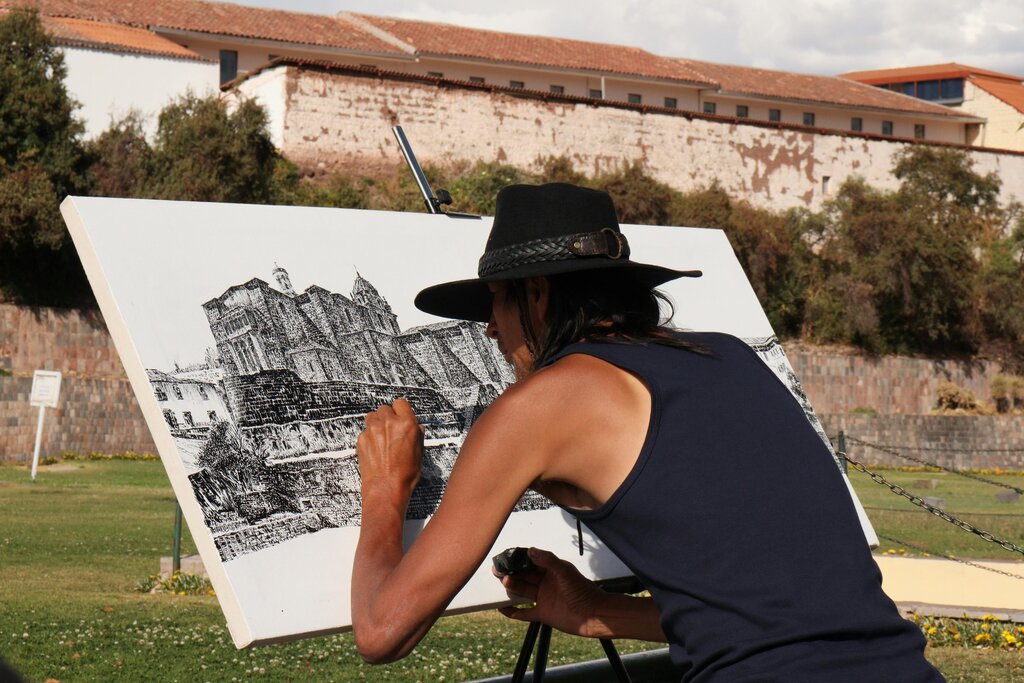
Urban sketching is the art of drawing on location, capturing the life that happens in cities, towns, and villages. It’s less about creating a perfect masterpiece and more about recording a specific moment in time. Think of it as a visual diary. You draw what you see, from a grand old building to the local coffee shop on the corner.
The purpose isn’t just to have a finished drawing; it's about the experience of slowing down and truly observing your surroundings. When you stop to sketch, you notice details you’d otherwise walk right past. It connects you to your environment in a unique and personal way.
Your Sketching Toolkit
Getting started with urban sketching doesn't require a lot of fancy equipment. In fact, a simple, portable kit is best. The goal is to be able to sketch whenever inspiration strikes, without being weighed down by supplies.
All you really need is a sketchbook and a pen or pencil. That’s it.
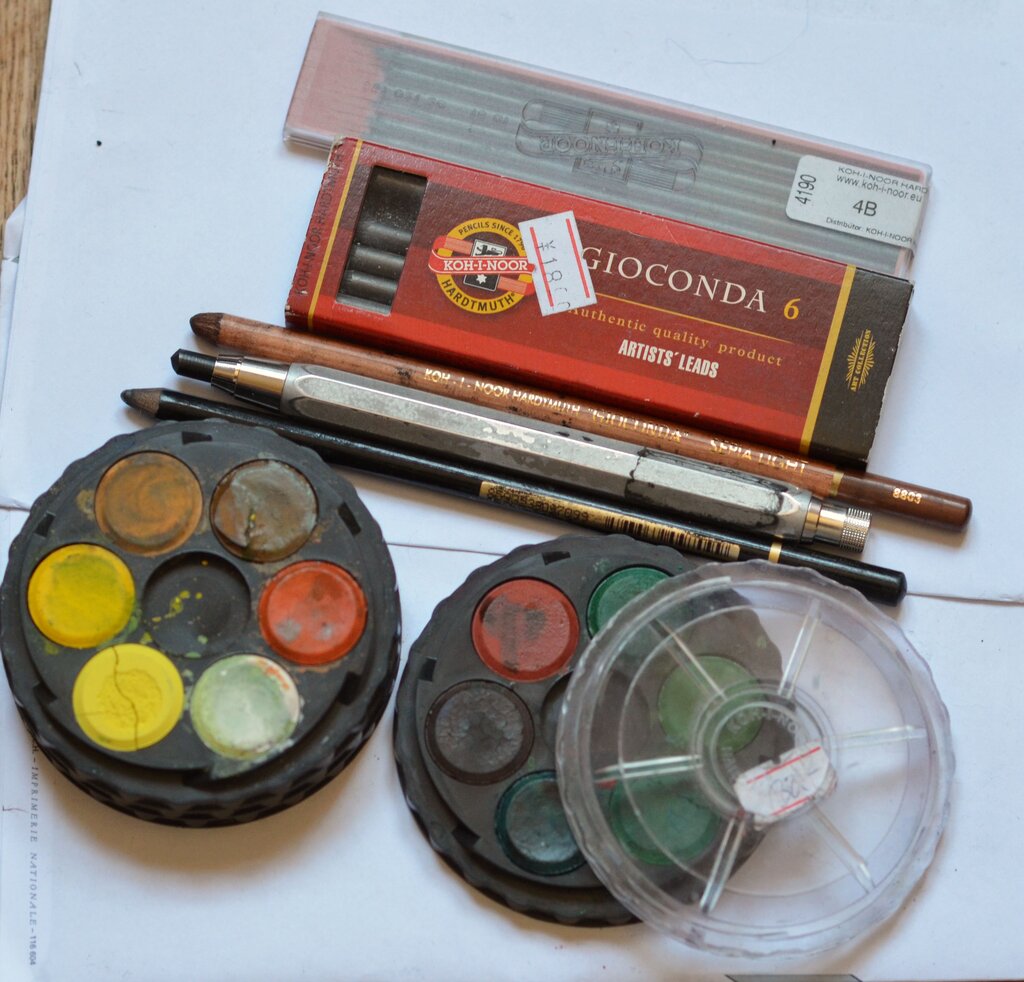
Choose a sketchbook that's a comfortable size to carry around. A5 (about 5.8 x 8.3 inches) is a popular choice. For your drawing tool, a simple waterproof ink pen, like a Micron or a Faber-Castell Pitt Artist Pen, is a great option. It gives you clean, permanent lines. A basic graphite pencil, like a 2B, is also perfect for starting out. Don't worry about colors or paints just yet. Focus on learning to see and capture lines and shapes first.
The Art of Seeing
The most important skill in urban sketching is learning how to see. Before you put pen to paper, take a few minutes to just look at your subject. Notice the big, basic shapes that make up a building. Is it a collection of rectangles and triangles? Where are the major lines? Look for the relationship between different parts of the scene, like how the height of a door compares to a window.
Sketching can be used to capture a subject quickly and efficiently, with more emphasis on capturing lines and ideas than details.
Quick sketches are your best friend when you're starting out. Don't try to draw every single brick or leaf. The goal is to capture the essence of the scene. Set a timer for 5 or 10 minutes and see what you can get down on the page. This practice, often called gesture drawing, trains your hand and eye to work together to quickly identify and record the most important information.
Building a Habit
Like any skill, sketching improves with practice. The key is to make it a regular habit. Try to sketch a little bit every day, even if it’s just for 15 minutes. You don’t have to go far to find something to draw. Sketch the view from your window, the lamp on your desk, or your own shoes.
Your sketchbook is a playground, not a gallery. Give yourself permission to make 'bad' drawings. Every page is just practice.
Carrying your sketchbook with you everywhere makes it easy to squeeze in practice. Waiting for a bus? Do a quick sketch of the bus stop. Arrived early for a meeting? Draw the building across the street. The more you draw, the more confident you'll become, and the more you'll start to see the world as an artist does.
Ready to test your knowledge on the basics of urban sketching?
What is the primary goal of urban sketching?
What kind of equipment is recommended for someone just starting out in urban sketching?
By focusing on observation and consistent practice, you'll build a strong foundation for capturing the vibrant world around you.