Uranium Cameco and Westinghouse
Uranium Properties
The Atomic Picture
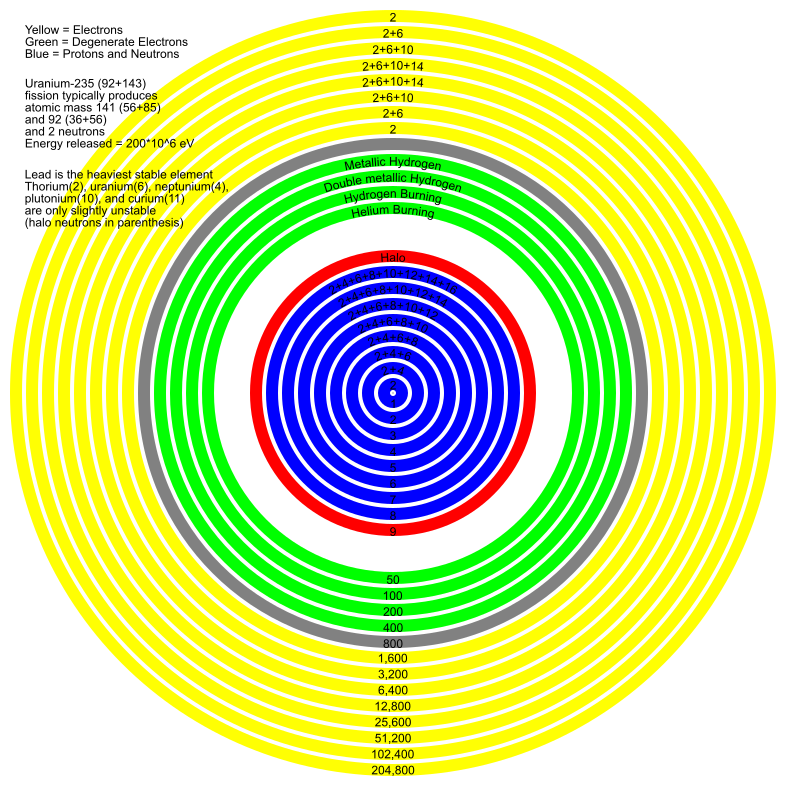
At its core, uranium is just another element on the periodic table. But it's a heavyweight. With 92 protons packed into its nucleus, it's one of the heaviest naturally occurring elements on Earth.
Uranium
noun
A heavy, dense, silvery-white metallic chemical element with the atomic number 92.
The 92 protons define it as uranium. Surrounding the nucleus are 92 electrons, arranged in shells. The electrons in the outermost shells are the ones that interact with other atoms, driving uranium's chemical behavior. It's these interactions that allow uranium to form various compounds.
A Family of Isotopes
While the number of protons in an element is fixed, the number of neutrons can vary. Atoms of the same element with different numbers of neutrons are called isotopes.
Uranium found in nature is a mix of three main isotopes: uranium-238, uranium-235, and a tiny trace of uranium-234. The number refers to the total count of protons and neutrons in the nucleus.
| Isotope | Protons | Neutrons | Natural Abundance |
|---|---|---|---|
| Uranium-238 | 92 | 146 | ~99.27% |
| Uranium-235 | 92 | 143 | ~0.72% |
| Uranium-234 | 92 | 142 | ~0.005% |
Uranium-238 is by far the most common, but it's the rare uranium-235 that's crucial for most nuclear reactors. Why? Because U-235 is fissile.
Fissile
adjective
Capable of sustaining a nuclear fission chain reaction.
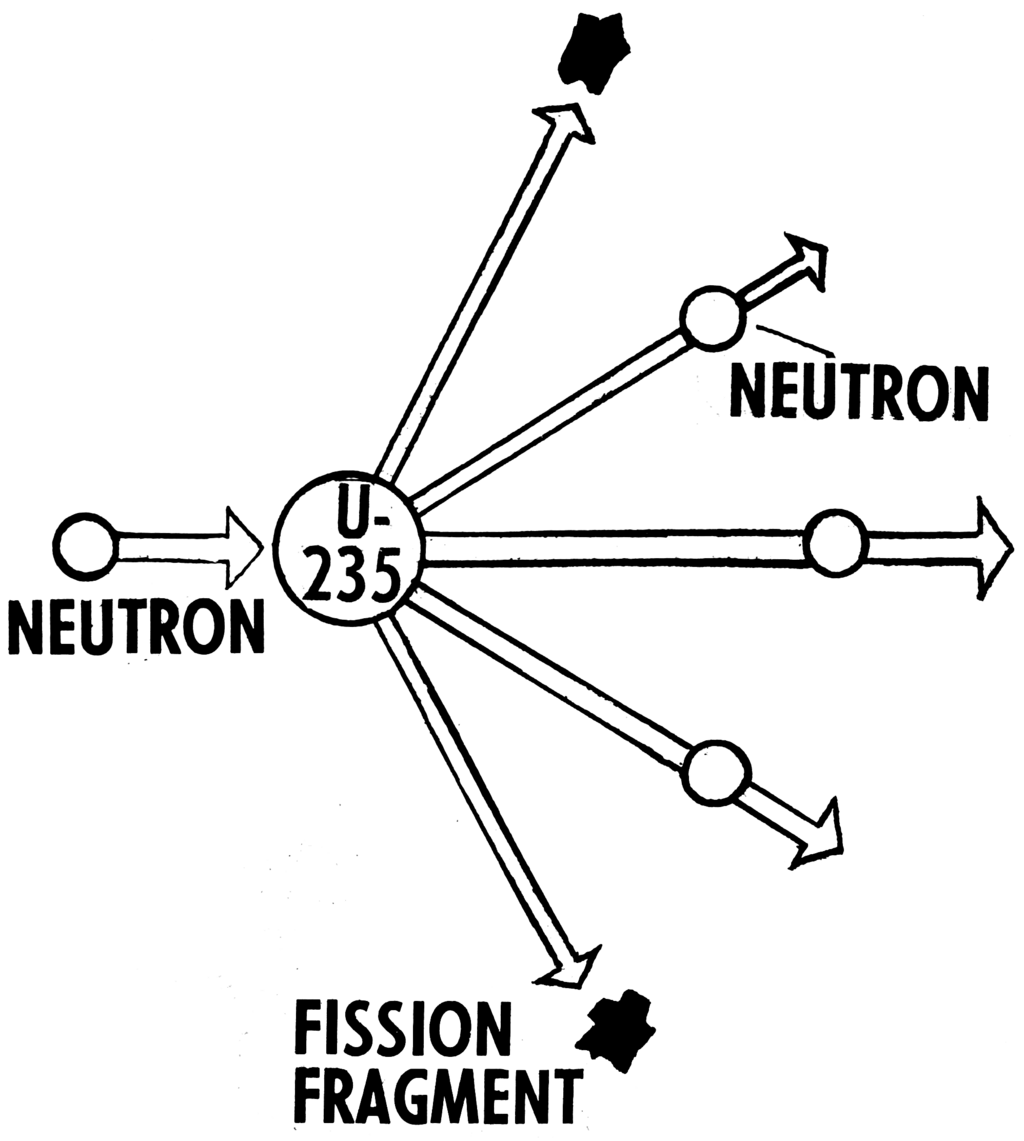
This means a U-235 nucleus can be split apart when struck by a slow-moving neutron, releasing a tremendous amount of energy, along with more neutrons. Those new neutrons can then go on to split other U-235 atoms, creating a self-sustaining chain reaction. This process is the engine of a nuclear power plant.
Uranium-238 isn't fissile, but it is considered fertile. It can absorb a neutron and, through a series of decays, transform into plutonium-239, which is fissile. This property is utilized in certain types of reactors.
Physical and Chemical Traits
In its pure form, uranium is a silvery-white metal. One of its most notable physical properties is its density. It's about 19.1 grams per cubic centimeter, making it around 70% denser than lead. A one-foot cube of uranium would weigh over half a ton.
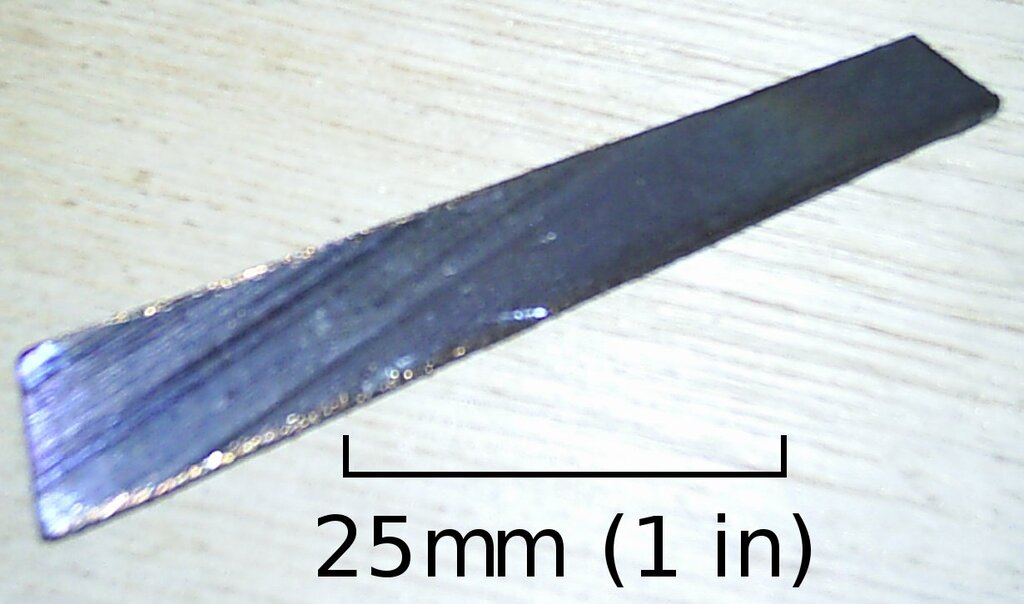
Like many metals, uranium is a solid at room temperature and melts at a high temperature, around 1132°C (2070°F).
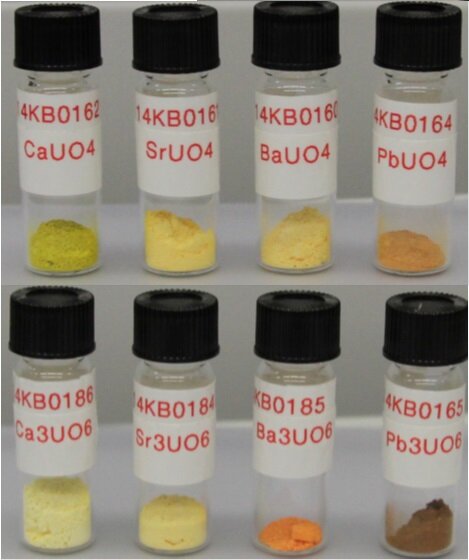
Chemically, uranium is quite reactive. When exposed to air, it slowly tarnishes, developing a dark layer on its surface. Finely powdered uranium can even ignite spontaneously. It reacts with hot water and acids, and it can form a huge variety of compounds with other elements. These compounds often have vibrant colors, from yellow and orange to green and black.
This reactivity is why uranium is rarely found in its pure metallic form in nature. Instead, it's typically found combined with oxygen and other elements in minerals like uraninite. Understanding these basic properties—its heavy atomic weight, its key isotopes, and its physical and chemical nature—is the first step in harnessing its power.