UPSC Law Optional Mastery
Constitutional Law
The Rulebook of a Nation
Every country needs a set of fundamental rules that govern it. This master rulebook is its constitution. It lays out the structure of the government, the powers of its different organs, and the rights and duties of its citizens. A constitution is the supreme law of the land, meaning all other laws must conform to it.
But having a constitution isn't enough. The real goal is constitutionalism, which is the idea that a government's authority is limited by this set of laws. It's the principle of governance under law, preventing arbitrary rule and ensuring that power is controlled and accountable.
The Indian Constitution is a prime example of this. It’s the longest written constitution in the world, a detailed document that establishes a framework for a sovereign, socialist, secular, and democratic republic.
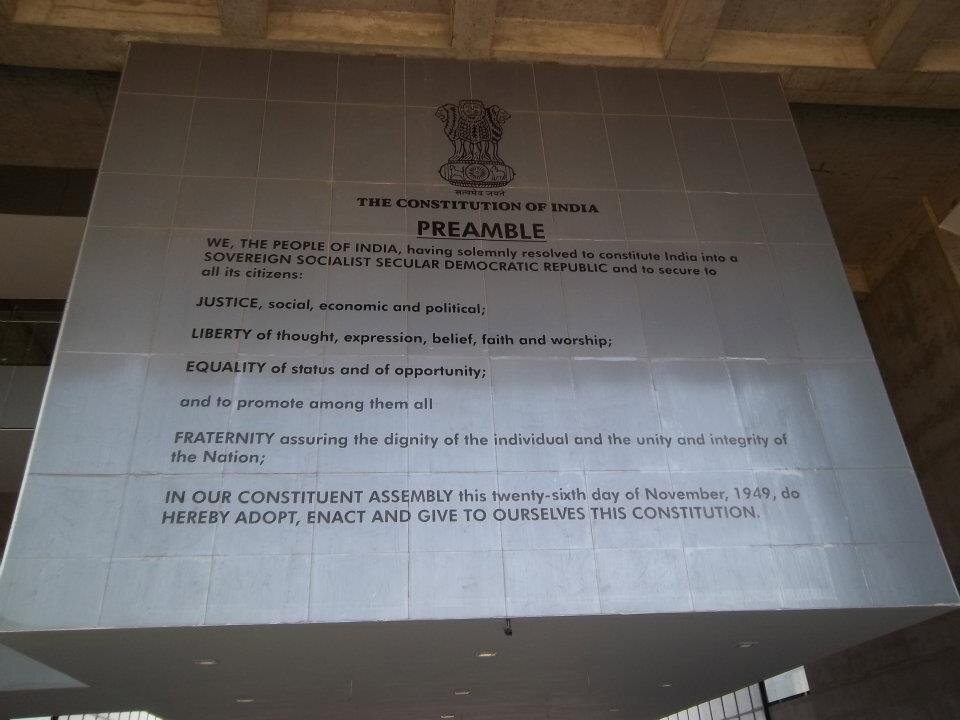
It creates a parliamentary system of government with a federal structure, though it has a strong central bias. Let's break down some of its most critical components.
Rights, Principles, and Duties
The soul of the Indian Constitution can be found in the balance it strikes between individual freedoms, state responsibilities, and civic obligations. These are enshrined in three key parts: Fundamental Rights, Directive Principles of State Policy, and Fundamental Duties.
Fundamental Rights are the basic human rights guaranteed to all citizens. They are considered essential for the development of an individual's personality and are enforceable in a court of law. If the government passes a law that violates a Fundamental Right, a citizen can go to court to have that law struck down. These rights include the Right to Equality, Right to Freedom, and Right against Exploitation, among others.
Think of Fundamental Rights as a protective shield. They prevent the state from becoming too powerful and encroaching on the essential liberties of its people.
Directive Principles of State Policy (DPSPs) are guidelines for the government. They are ideals that the state should keep in mind while framing laws and policies. Unlike Fundamental Rights, DPSPs are not legally enforceable by the courts. However, they are considered fundamental in the governance of the country. They aim to establish a social and economic democracy, promoting concepts like equal pay for equal work, social justice, and environmental protection.
Fundamental Duties were added to the Constitution later. They serve as a moral reminder to citizens that while they have rights, they also have responsibilities towards the nation. These duties include respecting the Constitution and its institutions, promoting harmony, and safeguarding public property.
| Feature | Fundamental Rights | Directive Principles (DPSPs) | Fundamental Duties |
|---|---|---|---|
| Nature | Negative (prohibits state action) | Positive (requires state action) | Positive (requires citizen action) |
| Enforceability | Legally enforceable (justiciable) | Not legally enforceable | Not legally enforceable |
| Goal | Establish political democracy | Establish social & economic democracy | Promote civic responsibility |
| Applies to | State action against citizens | State policy-making | Citizens |
Institutions of Governance
The Constitution establishes the key institutions that run the country, defining their powers and limitations. At the national level, the President is the head of state, but the real executive power lies with the Council of Ministers, headed by the Prime Minister. The President acts on the advice of this council.
This structure is mirrored at the state level. The Governor is the head of the state, appointed by the President. Like the President, the Governor generally acts on the advice of the state's Council of Ministers, led by the Chief Minister. However, Governors have certain discretionary powers they can exercise without ministerial advice, which can sometimes be a point of contention in Centre-State relations.
This division of power is crucial. The Constitution carefully distributes legislative powers between the Union (central government) and the States through three lists. The Union List covers subjects of national importance where only Parliament can make laws. The State List includes subjects of local or state importance. The Concurrent List contains subjects where both Parliament and state legislatures can make laws, but a central law will override a state law in case of a conflict.
To ensure governance reaches the grassroots, the Constitution also provides for local bodies like Panchayats (in rural areas) and Municipalities (in urban areas). These institutions of self-government are responsible for local planning and development.
The Ultimate Guardian
What happens if the government passes a law that violates the Constitution? This is where the judiciary steps in. The Supreme Court at the national level and the High Courts at the state level act as the guardians of the Constitution.
Their most significant power is judicial review. This allows them to examine the actions of the legislative and executive branches to determine if they are constitutional. If a court finds a law or government action to be unconstitutional, it can declare it null and void. This power ensures that the government operates within the limits set by the Constitution.
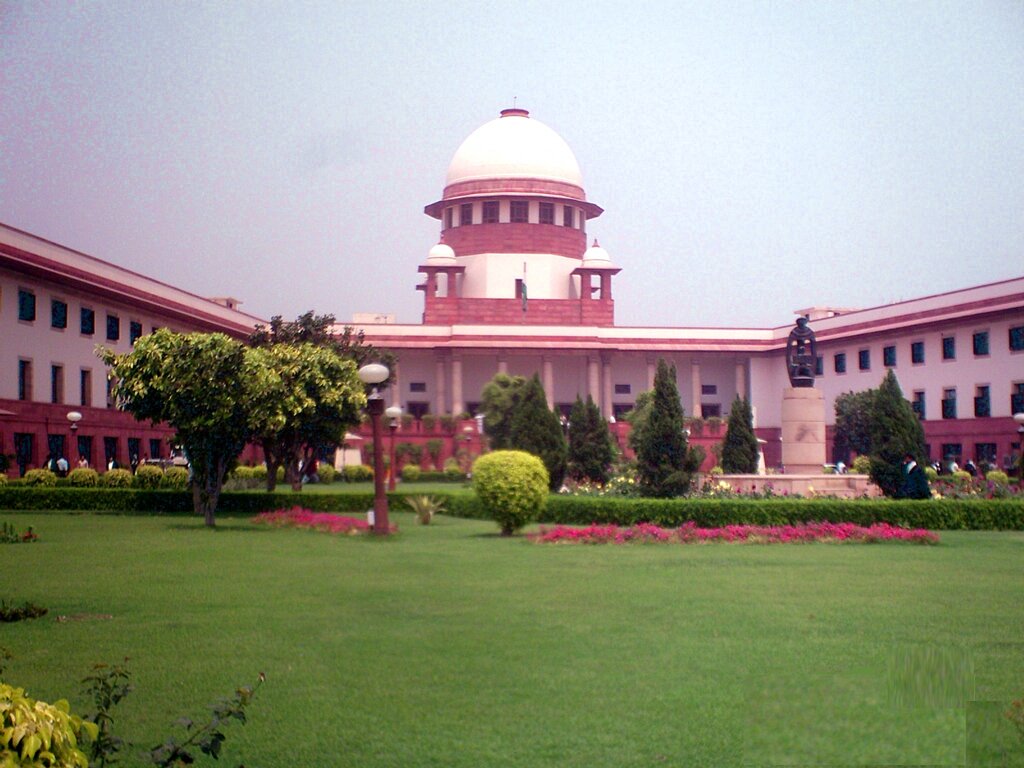
A powerful tool that emerged from this judicial oversight is Public Interest Litigation (PIL). Traditionally, only a person directly affected by a legal issue could go to court. PIL allows any citizen or organization to file a lawsuit on behalf of those who are disadvantaged or unable to approach the court themselves. It has been used to address issues ranging from environmental pollution to the rights of prisoners, making justice more accessible to all.
Understanding these core elements is the first step in mastering constitutional law. Now, let's review some of the key terms we've covered.
Ready to test your knowledge? Take this short quiz to see how well you've understood the foundational aspects of India's constitutional framework.
What is the key difference between a "constitution" and "constitutionalism"?
Which of the following parts of the Indian Constitution is NOT directly enforceable in a court of law?
The Indian Constitution is more than just a legal text; it's a living document that guides the nation's governance and protects the rights of its billion-plus citizens.