Upper Limb Nerve Entrapments
Peripheral Nerve Anatomy
The Upper Limb's Nerve Network
Think of the nerves in your arm like a complex wiring system originating from a central fuse box. This fuse box is the brachial plexus, a network of nerves that starts in your neck. It’s formed by the union of nerve roots from the spinal cord, specifically from the C5 to T1 vertebrae.
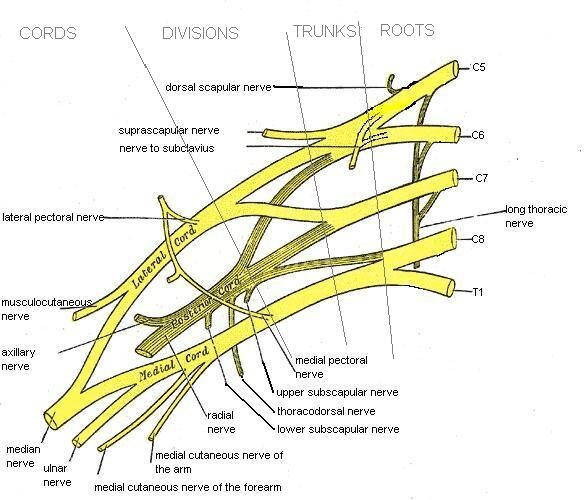
This intricate web of nerves sorts and bundles fibers, much like a highway interchange directing traffic. From the brachial plexus, three main "highways" emerge to control everything in your arm, forearm, and hand: the median, ulnar, and radial nerves. Each has a specific route and job.
The Median Nerve
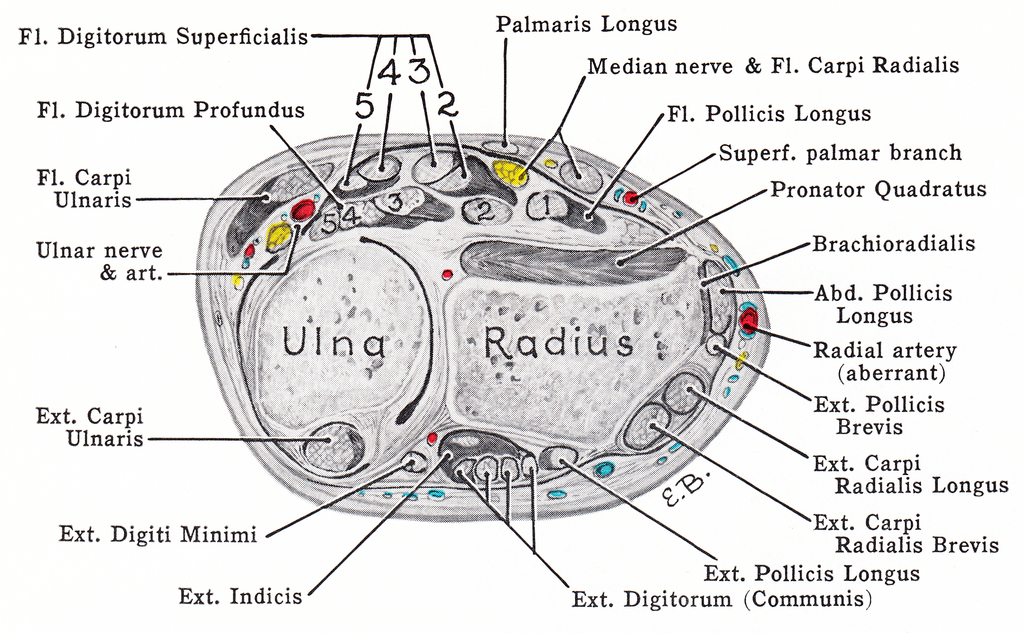
The median nerve travels from the brachial plexus down the center of your upper arm. It crosses the front of the elbow and continues down the middle of the forearm, eventually reaching the hand by passing through a narrow passageway in the wrist called the carpal tunnel.
Its primary motor role is to power most of the muscles that flex your wrist and fingers. It also controls the thenar muscles at the base of your thumb, which allow you to touch your thumb to your other fingers.
For sensation, the median nerve provides feeling to the palm side of your thumb, index finger, middle finger, and half of your ring finger. Because it passes through the tight space of the carpal tunnel, it's a common site for nerve compression.
The median nerve is crucial for fine motor skills like gripping a pen or buttoning a shirt.
The Ulnar Nerve
The ulnar nerve also originates from the brachial plexus and runs down the arm. Its path takes it behind the inner part of your elbow, in a groove you can feel. This spot is commonly known as the "funny bone." From there, it travels along the ulnar bone (the forearm bone on the pinky side) and into the hand.
In the forearm, the ulnar nerve helps flex the wrist and controls the muscles that move your pinky and ring fingers. Its biggest job is in the hand, where it innervates most of the small, intrinsic hand muscles responsible for fine movements and coordinating your fingers.
Sensory-wise, it covers the pinky finger and the ulnar half of the ring finger on both the palm and back of the hand. The cubital tunnel, the groove behind the elbow, is the most common place for this nerve to become entrapped.
The Radial Nerve
The radial nerve takes a different route. It travels from the brachial plexus down the back of the upper arm, spiraling around the humerus bone. After crossing the outer part of the elbow, it divides into two branches that run down the back of the forearm to the wrist and hand.
This nerve is the primary controller of extension. It powers the triceps muscle to straighten your elbow. In the forearm, it controls the muscles that extend your wrist and fingers, allowing you to open your hand and lift your wrist upwards.
Its sensory territory covers the back of the arm, forearm, and the back of the hand for the thumb, index, and middle fingers. A common spot for radial nerve entrapment is where it winds around the humerus in the upper arm.
| Nerve | Main Motor Function | Main Sensory Area |
|---|---|---|
| Median | Flexes wrist/fingers, thumb movement | Palm side of thumb, index, middle fingers |
| Ulnar | Controls small hand muscles, flexes pinky | Pinky and half of ring finger |
| Radial | Extends elbow, wrist, and fingers | Back of arm, forearm, and hand |
Let's review the key terms we've discussed.
Now, test your understanding of this complex anatomy.
The brachial plexus, the nerve network that supplies the arm, is formed by the union of nerve roots from which spinal cord segments?
A patient is experiencing weakness when trying to extend their wrist and fingers (lift them upwards). Damage to which nerve is the most likely cause?
Understanding the distinct paths and functions of these three nerves is the foundation for recognizing how and where problems can arise in the upper limb.