Upper Extremity Surgery Coding and Billing Mastery
Upper Extremity CPT Codes
Coding Upper Extremity Surgeries
Current Procedural Terminology, or CPT, codes are the universal language for reporting medical services. When a surgeon performs a procedure on the shoulder, elbow, wrist, or hand, a specific CPT code is used to document exactly what was done. This ensures everyone from the insurance company to other healthcare providers understands the service provided.
CPT codes form the backbone of outpatient medical billing, and memorizing them by category is non-negotiable.
These five-digit codes are highly specific. Think of them as a detailed recipe. One code might describe a simple procedure, while another describes a complex reconstruction. Getting the code right is essential for accurate medical records and proper billing.
Shoulder Procedures
The shoulder is a complex ball-and-socket joint, and many procedures are performed to address injuries or wear and tear. A common procedure is repairing a torn rotator cuff. Depending on whether the surgeon uses an open incision or a minimally invasive arthroscope, the code will change.
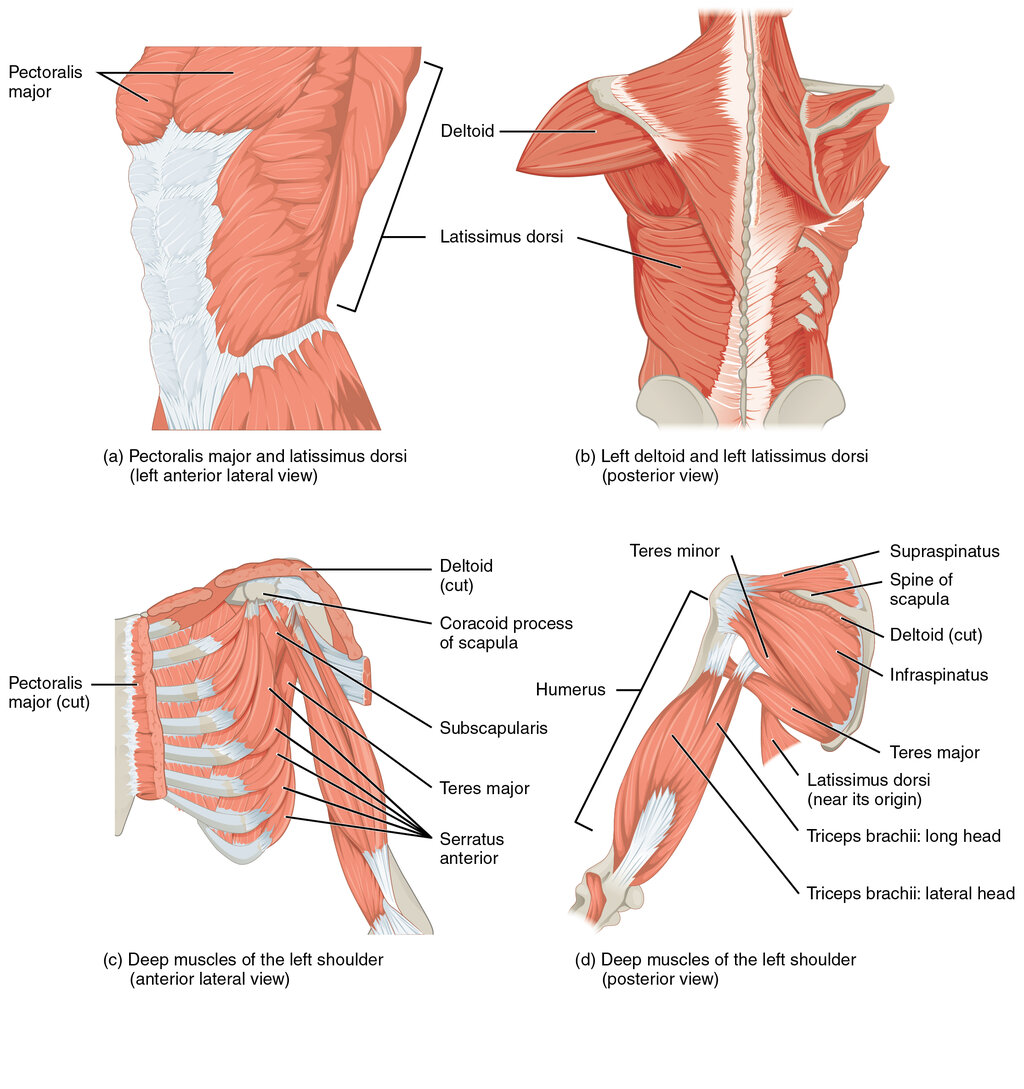
Here are a few examples of CPT codes for common shoulder surgeries. Notice how the description for each code precisely defines the work performed.
| Procedure | CPT Code | Description |
|---|---|---|
| Arthroscopic Rotator Cuff Repair | 29827 | Arthroscopy, shoulder, surgical; with rotator cuff repair. |
| Arthroscopic Debridement | 29822 | Arthroscopy, shoulder, surgical; debridement, limited. |
| Total Shoulder Replacement | 23472 | Arthroplasty, glenohumeral joint; total shoulder. |
Elbow, Wrist, and Hand
As we move down the arm, the anatomy becomes more intricate, and so do the CPT codes. The elbow, wrist, and hand involve many small bones, ligaments, and tendons, and procedures here require immense precision. The coding must reflect that same level of detail.
For example, repairing a fracture in the wrist has many possible codes depending on which bone is broken and how the surgeon fixes it. A simple fracture repair is coded differently than one requiring plates and screws. Similarly, carpal tunnel release, a common hand surgery, has its own specific code.
| Procedure | CPT Code | Description |
|---|---|---|
| Carpal Tunnel Release | 64721 | Neuroplasty and/or transposition; median nerve at carpal tunnel. |
| Distal Radius Fracture Repair | 25607 | Open treatment of distal radial extra-articular fracture, with internal fixation. |
| Elbow Arthroscopy | 29830 | Arthroscopy, elbow, surgical; with removal of loose body or foreign body. |
Avoiding Common Errors
Accuracy is everything in medical coding. A simple mistake can lead to billing problems or claim denials. One of the most common errors is under-coding, which happens when the CPT code doesn't fully capture the complexity of the procedure performed. This often occurs in complex orthopedic surgeries where multiple steps are involved.
For example, if a surgeon repairs a fracture and a torn ligament in the same procedure, both components of the surgery must be coded correctly. Simply coding for the fracture repair would be an under-representation of the work done.
Another frequent mistake is unbundling. Some CPT codes are "bundled," meaning they include all the typical steps of a particular surgery. Billing for each step individually, instead of using the single comprehensive code, is incorrect.
To avoid these issues, coders must read the surgeon's operative report carefully and have a deep understanding of anatomy and surgical techniques. When in doubt, it's always best to consult the official CPT codebook and its guidelines.
What is the primary purpose of Current Procedural Terminology (CPT) codes in a medical setting?
A surgeon performs a rotator cuff repair. Which factor is most likely to determine which specific CPT code is used?