Upholstery Essentials
Introduction to Upholstery
What is Upholstery?
At its core, upholstery is the art of adding soft coverings to furniture like chairs, sofas, and headboards. It’s the craft of layering webbing, springs, padding, and fabric onto a bare furniture frame to create a comfortable and stylish place to sit or rest.
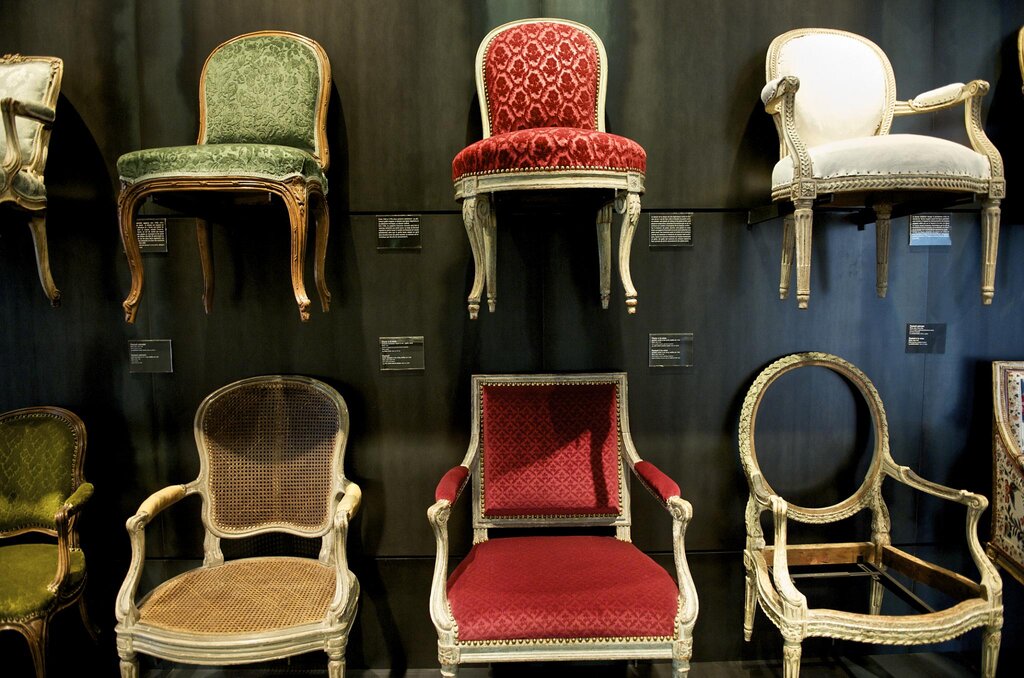
The practice isn't new. While ancient Egyptians and Romans used simple cushions, upholstery as a distinct trade began to flourish in Europe during the 17th and 18th centuries. As furniture became more common in homes, so did the desire for comfort. Guilds of upholsterers emerged, developing techniques that turned a simple wooden frame into a piece of functional art.
More Than Just a Pretty Fabric
Upholstery does more than just make a chair look good. It's a critical part of furniture design that dictates comfort, shape, and durability. The materials hidden beneath the fabric are just as important as the final pattern you choose.
Think of an upholsterer as part sculptor, part engineer. They build up layers of padding to create the chair's final shape, from a firm, flat seat to a plush, rounded armchair. The tension of the springs and webbing provides support, ensuring the piece of furniture can withstand years of use without sagging. The final fabric is the skin, providing the color, texture, and pattern that brings the piece's personality to life.
Good upholstery combines structural integrity with aesthetic appeal, transforming a basic frame into a lasting and comfortable object.
The Upholsterer's Toolkit
Like any craft, upholstery requires a set of specialized tools. While the list can be long, a few essentials form the foundation of any upholsterer's workshop. These tools are designed for very specific tasks, from stretching materials tightly to securing fabric with precision.
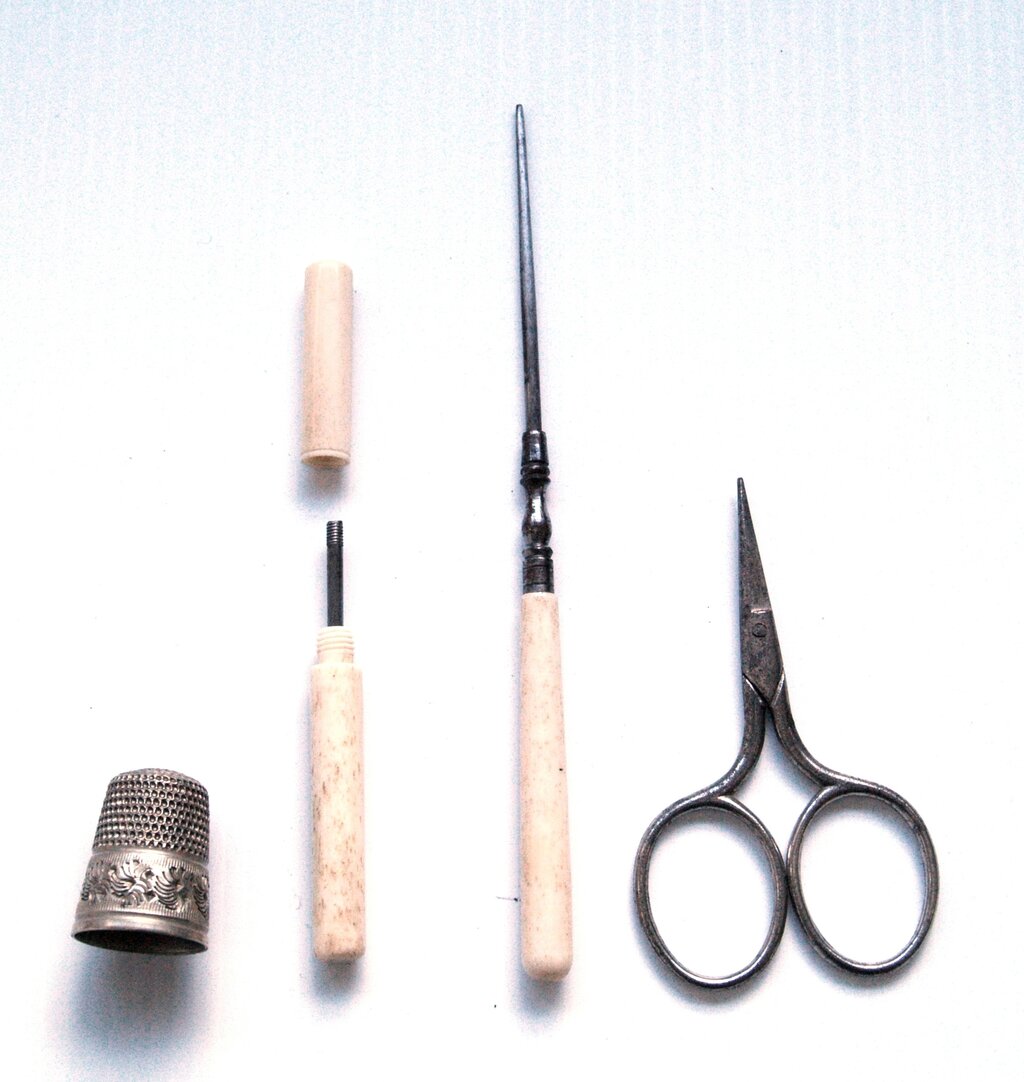
Here are some of the key players you'll find in an upholstery toolkit.
| Tool | Purpose |
|---|---|
| Webbing Stretcher | A wooden tool used to pull webbing taut across the frame. |
| Staple Gun | For attaching fabric, webbing, and other materials to the frame. |
| Tack Hammer | A lightweight hammer with a magnetic end for holding and driving tacks. |
| Regulator | A long, needle-like tool used to adjust padding and smooth out lumps. |
| Upholstery Needles | Curved and straight needles for hand-sewing seams and attaching buttons. |
Building From the Inside Out
An upholstered piece is built in layers, starting from the bare frame and working outwards. Each layer serves a specific purpose, contributing to the final product's comfort and longevity.
- Webbing: Strips of jute or synthetic material are woven and stretched across the furniture frame to create a strong, flexible base for the springs and padding.
- Springs: Metal coils or zigzag wires are attached to the webbing to provide suspension and support. Coil springs offer a traditional, deep bounce, while zigzag springs create a firmer, more modern feel.
- Padding: This is the soft layer that creates comfort. Traditionally, materials like horsehair and cotton were used. Today, high-density foam is a common choice, often covered with a layer of cotton or polyester batting to soften the edges.
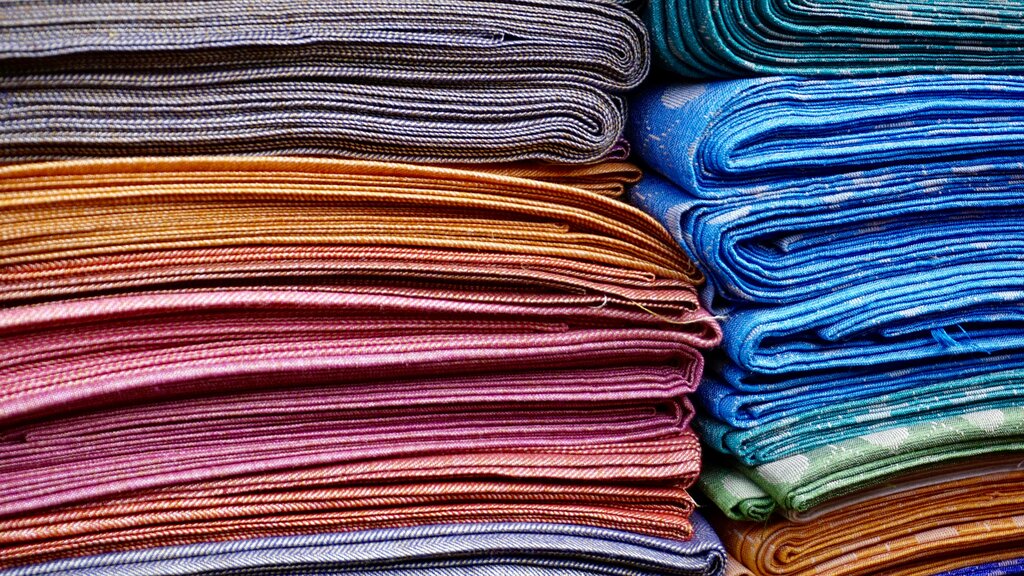
- Fabric: The final, visible layer. This can be anything from durable leather and canvas to decorative velvet and silk, depending on the furniture's intended use and style.
Understanding these foundational tools and materials is the first step in learning this rewarding craft. It's an appreciation for how structure, comfort, and artistry come together to create the furniture we use every day.
Ready to check your understanding? Let's review what we've covered.
What is the primary purpose of the hidden layers in upholstery, such as springs and padding?
The craft of an upholsterer is described as being part sculptor and part ______.