Unveiling Trending Courses
Introduction to Online Learning
What Is Online Learning?
At its core, online learning is any form of education that happens over the internet. Instead of sitting in a physical classroom, you access course materials, lectures, and discussions through a computer or mobile device. It's also known as e-learning or distance education.
Online Learning
noun
A method of education where students learn in a fully virtual environment. Instruction and content are delivered via the internet, and student-teacher interaction happens primarily through digital tools.
This idea isn't entirely new. For over a century, people learned remotely through correspondence courses, receiving lessons and sending back assignments by mail. But the internet completely changed the game. Early computer networks in the 1960s and 70s, like the PLATO system at the University of Illinois, were among the first to explore computer-assisted instruction.
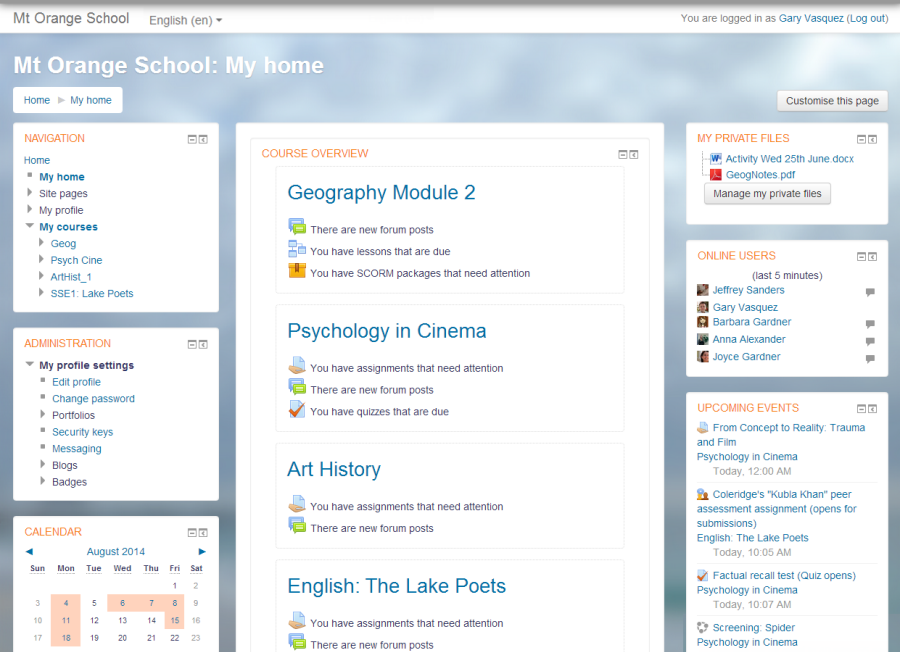
The widespread adoption of the internet in the 1990s brought these concepts to the masses. Universities and companies began developing Learning Management Systems (LMS), which are the online platforms that host courses, track progress, and facilitate communication. This technology laid the groundwork for the flexible, interactive learning experiences we have today.
The Perks of Learning Online
Why has online education become so popular? A huge part of its appeal comes down to one word: flexibility. Online courses often allow you to learn on your own schedule. You can watch lectures, read materials, and complete assignments whenever it works for you, whether that's late at night after the kids are asleep or during a lunch break at work.
This format breaks down geographical barriers. You no longer need to live near a specific campus to take a course from a world-class institution. It opens up educational opportunities to people in remote areas or those with mobility challenges.
Online learning also allows for self-paced progress. You can spend extra time on challenging topics or move quickly through material you already understand.
Finally, the sheer variety of available subjects is staggering. From coding bootcamps and digital marketing certifications to university-level physics and ancient history, the online world offers a course for nearly every interest and career goal. This vast selection gives learners the power to customize their educational paths in ways that were previously unimaginable.
A Growing Movement
The shift toward online education isn't just a niche trend; it's a massive, global movement. Before 2020, online enrollment was already growing steadily. The events of that year dramatically accelerated the trend, pushing schools and universities everywhere to adopt online formats.
What started as a necessity quickly revealed its benefits. Many students and institutions discovered they liked the flexibility and accessibility of online options. As a result, even as in-person classes resumed, the demand for online and hybrid learning has remained strong.
| Year | Students in U.S. Higher Education Taking at Least One Online Course |
|---|---|
| 2012 | 6.7 million |
| 2016 | 7.3 million |
| 2021 | 11.2 million |
These numbers reflect a fundamental change in how we think about education. The growth is fueled by both technology and a cultural shift that values lifelong learning. People are continuously seeking to upskill for their careers or simply explore new passions, and online learning provides an accessible and effective way to do it.