Unveiling The Dark Laws of Seduction
Introduction to Psychological Seduction
Beyond Attraction
Most people think about attraction in simple terms: looks, money, a good sense of humor. These things matter, but they are only surface-level components of a much deeper game. Psychological seduction operates on the premise that true influence isn't found in what you have, but in how you make someone feel and think.
This approach critiques traditional methods of attraction as passive and unreliable. Waiting to be noticed or hoping your positive qualities are enough is leaving connection to chance. Instead, psychological seduction is an active process. It's about understanding and guiding human desire, not just hoping to be the object of it.
In this framework, seduction is less like a lottery and more like a chess match. Every move is intentional, designed to shape the flow of the interaction.
Psychological Seduction
noun
The process of deliberately influencing a person's thoughts, emotions, and behaviors to create a powerful sense of attraction and desire, often by leveraging psychological principles.
The goal is to move beyond simply being liked and toward becoming a central focus in someone's mind. This requires a shift in mindset from passive participant to active architect of the dynamic.
Control and Dominance
The concepts of control and dominance are central, but not in the aggressive way they might sound. This isn't about force or coercion. It's about psychological dominance—subtly leading the interaction and framing the narrative. The person who directs the emotional tone and pace of a relationship holds the psychological upper hand.
Think of it like a dance. One person has to lead for the dance to have structure and flow. In psychological seduction, the goal is to be the one who leads, guiding the other person through a series of emotional states that build intrigue and attachment. This control is established by being less predictable, less available, and more enigmatic than the other person expects.
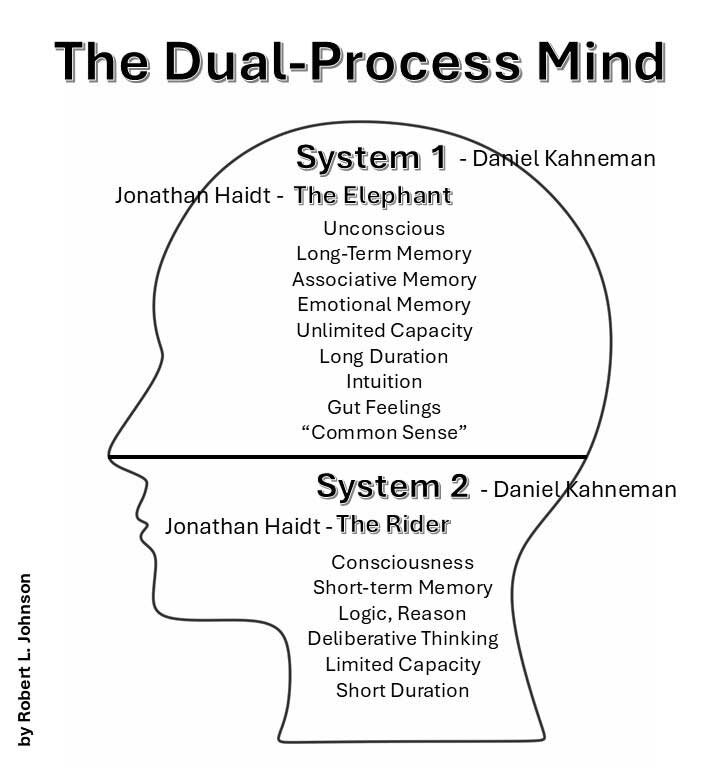
By appealing to deeper, often unconscious drives, one can bypass the logical part of the brain that analyzes and resists. The aim is to create a dynamic where the other person is constantly trying to figure you out, seeking your approval, and investing more and more mental energy into the interaction. This investment is the foundation of psychological control.
Psychological Triggers
To achieve this level of influence, psychological seduction uses triggers—specific actions or words designed to provoke a predictable emotional or cognitive response. These triggers are based on fundamental principles of human psychology, such as our desire for mystery, our fear of loss, and our attraction to confidence.
Fundamentally, seduction is about increasing someone's dopamine level, and desire for something in particular.
One common tool is behavioral conditioning. This involves associating yourself with powerful emotions, like pleasure and excitement, through carefully planned interactions. It's a system of reward and withdrawal. Positive reinforcement (attention, validation) is given to draw someone closer, while intermittent withdrawal creates a sense of scarcity and makes them work harder for that reinforcement.
This creates a powerful loop. The target becomes conditioned to seek your validation because it feels rewarding. When that validation is less predictable, their desire for it intensifies. It's not about playing games for the sake of it, but about understanding that human attraction often follows predictable patterns of behavior.
What is the primary difference between traditional methods of attraction and psychological seduction, according to the text?
How is the concept of 'psychological dominance' defined in this approach?