Unveiling the Book of Revelation
Introduction to Apocalyptic Literature
Visions of the End
When people hear the word “apocalypse,” they usually picture global catastrophe. Fire raining from the sky, cities crumbling, the end of the world as we know it. But the original meaning of the word is quite different. It comes from a Greek word that means “an unveiling” or “a revelation.”
Apocalyptic literature isn’t just about destruction. It’s a genre of writing that pulls back the curtain to show a deeper reality. It reveals God’s plan for the world, especially during times of intense suffering and crisis. Think of it as a form of divine protest literature, written for people who felt powerless and oppressed.
Apocalypse
noun
An unveiling or revelation of divine secrets, especially concerning the end of the present age and the beginning of a new one.
This style of writing flourished in Jewish culture from about 200 BCE to 100 CE. This was a turbulent period marked by foreign domination by Persians, Greeks, and then Romans. For many, it seemed like evil was winning. Apocalyptic writers responded by creating texts that offered a different perspective. They assured their readers that God was still in control and that history was moving toward a final, just conclusion.
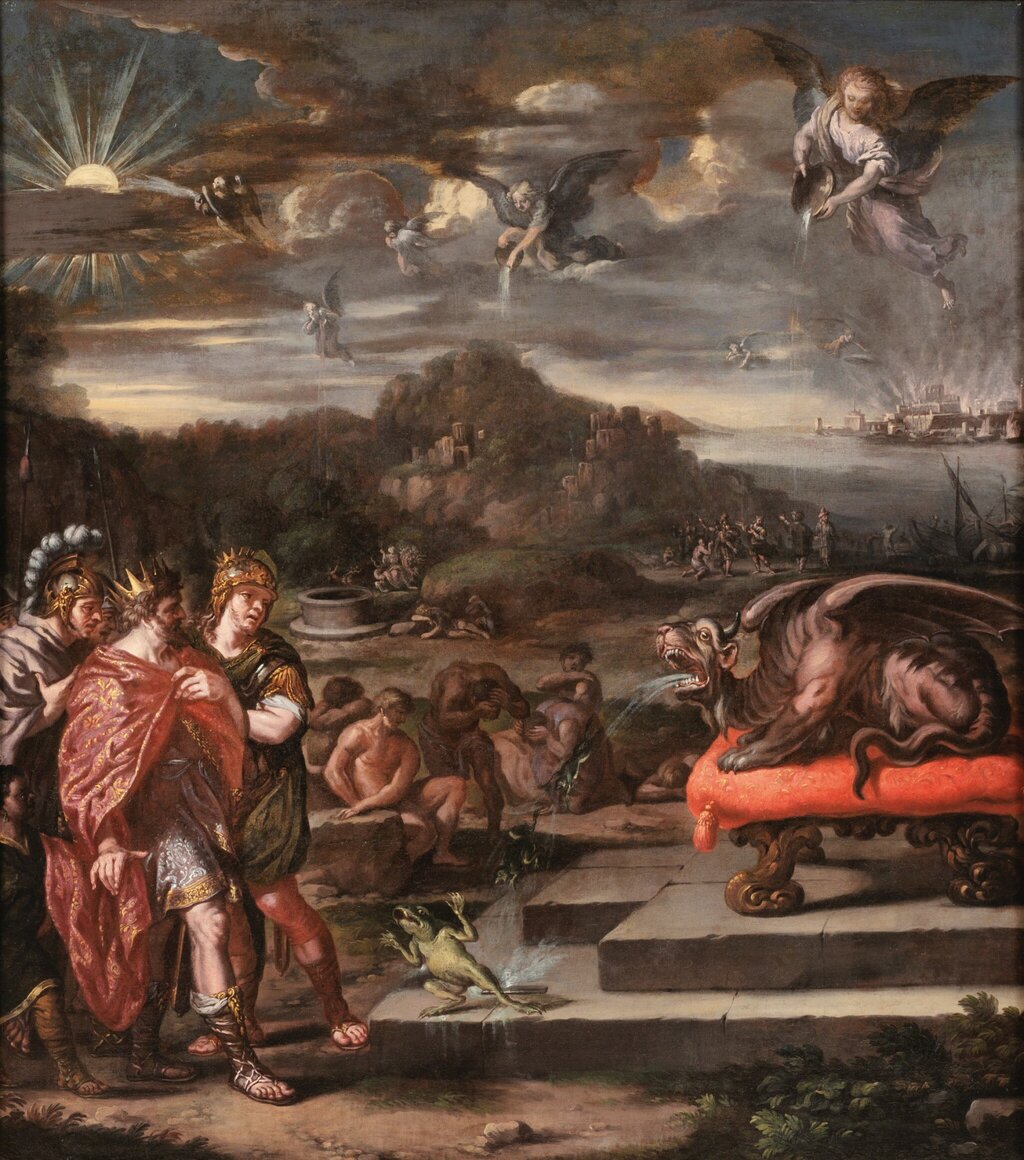
These writings weren’t historical accounts or scientific predictions. They were theological and poetic, using vivid imagery to convey hope to a community in crisis. The goal was to encourage faithfulness in the present by pointing to a future where God would make things right.
A Coded Language
To communicate their message safely under oppressive regimes, apocalyptic authors used a kind of coded language. They relied on visions, dreams, and complex symbols that their audience would understand but outsiders might not. This symbolic world is one of the most distinct features of the genre.
Apocalyptic literature uses symbolic language to describe a spiritual reality that transcends the everyday world.
These texts also present a stark, dualistic view of the world. There is a clear conflict between good and evil, light and darkness, God and the forces of chaos. The present age is seen as corrupt and controlled by evil, but it will soon be replaced by a new, perfect age established by God. This clear divide offered comfort and moral clarity to people living in confusing times.
| Characteristic | Description |
|---|---|
| Visions & Dreams | A heavenly figure, often an angel, reveals divine secrets to a human seer. |
| Symbolism | Animals, numbers, colors, and cosmic events represent historical figures, nations, or spiritual truths. |
| Dualism | The world is presented as a battleground between two opposing forces: good and evil. |
| Pessimism & Optimism | Deep pessimism about the current world order, paired with radical optimism about God's future intervention. |
Common symbols include fearsome beasts representing oppressive empires, specific numbers signifying completeness or imperfection, and celestial events like a darkened sun symbolizing judgment. To the original readers, a beast with ten horns wasn't a literal monster; it was a clear reference to a political power they knew all too well. It’s like a modern political cartoon. We understand the caricatures of donkeys and elephants because we know the context. Ancient readers had a similar relationship with apocalyptic symbols.
Ultimately, the purpose of this literature was to provide endurance and hope. By framing current struggles within a grand, cosmic narrative, authors encouraged their communities to remain faithful. They argued that their suffering was not random or meaningless but was part of a divine drama that would end in triumph. It was a powerful way to make sense of a chaotic world and to hold onto faith when everything seemed lost.