Unveiling Matthew Chapter 1
Introduction to Matthew 1
An Overture in Two Parts
The Gospel of Matthew opens not with a dramatic scene, but with a carefully structured introduction. Chapter 1 is divided into two distinct sections, each with a specific purpose. Think of it as an overture to a grand performance, introducing the main themes before the story truly begins.
The first part is a genealogy, a family tree tracing Jesus's ancestry. The second is a narrative, telling the story of his birth from his earthly father Joseph's point of view.
A Royal Lineage
The chapter begins with "The book of the genealogy of Jesus Christ, the son of David, the son of Abraham." This isn't just a list of names; it's a powerful statement. For Matthew's audience, these two names—David and Abraham—were immensely important. Abraham was the father of the Jewish people, and David was their greatest king. By immediately linking Jesus to them, Matthew establishes his credentials. He is presenting Jesus not as a random figure, but as the culmination of Israel's history, the rightful heir to the promises God made to his people.
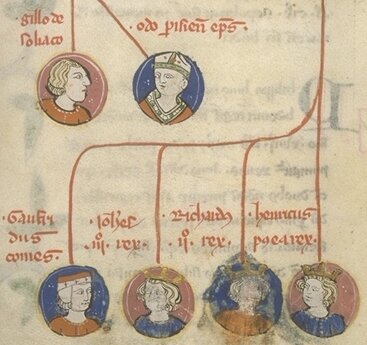
This family tree is more than a historical record; it's a theological argument. It asserts that Jesus is the long-awaited Messiah, the one who fulfills the prophecies of the Old Testament. The list of ancestors, including kings and commoners, righteous figures and flawed individuals, grounds Jesus firmly in human history.
The Birth of the King
After establishing Jesus's human lineage, Matthew shifts to his divine origin. The narrative of his birth is told from Joseph's perspective. Joseph, a righteous man, discovers his betrothed, Mary, is pregnant. Under Jewish law, he could have divorced her publicly, which would have brought her great shame. Instead, he decides to do so quietly to protect her.
Joseph’s quiet compassion in a difficult situation reveals his character even before the angel speaks to him.
His plan is interrupted by a divine message. An angel appears to him in a dream, explaining that Mary's child was conceived through the Holy Spirit and that this child is the fulfillment of prophecy. The angel instructs Joseph to take Mary as his wife and to name the child Jesus.
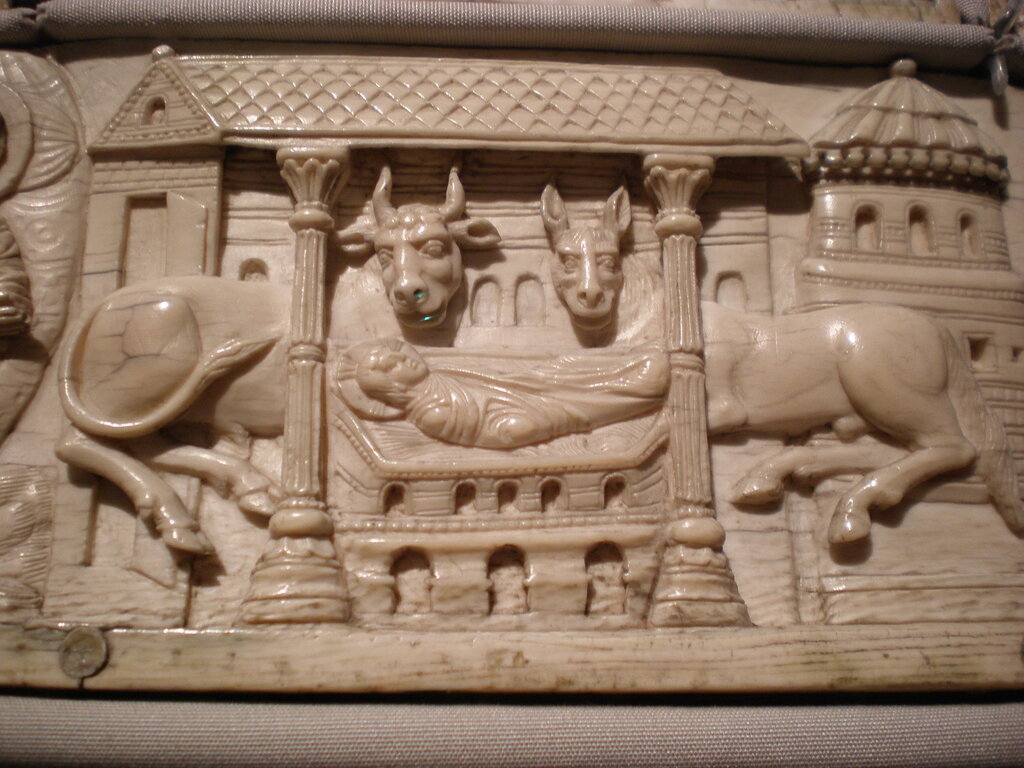
The name Jesus is significant, as it means "the Lord saves." The angel declares that he will "save his people from their sins." This connects directly to the purpose of his coming. Matthew also quotes the prophet Isaiah, stating that the birth fulfills the prophecy of a virgin bearing a son who will be called Immanuel, a name meaning "God with us."
So, in this one chapter, Matthew presents Jesus as both the son of David, with a legal right to the throne of Israel, and the Son of God, a divine being who has come to dwell among his people.