Unveiling Artificial Intelligence
Introduction to Artificial Intelligence
What Is Artificial Intelligence?
Artificial Intelligence, or AI, is the science of making machines smart. The goal is to build computer systems that can perform tasks that normally require human intelligence. This includes things like learning from experience, solving problems, understanding language, and recognizing objects in the world around them.
Think of it this way: you can easily tell the difference between a cat and a dog. For a computer, this is a complex task. AI gives the computer the tools to learn the patterns—like pointy ears or a certain type of snout—that distinguish one animal from another.
AI isn't a single technology. It's a broad field of computer science with many different approaches and applications. At its core, AI is about creating algorithms, or sets of rules, that allow machines to reason and act.
A Brief History of AI
The idea of intelligent machines has been around for centuries, but the modern field of AI began in the 1950s. A pivotal moment was a workshop at Dartmouth College in 1956, where the term "artificial intelligence" was first used. Early researchers were incredibly optimistic, believing that a machine as intelligent as a human being was just a few decades away.
Progress came in bursts. Early successes included programs that could solve algebra problems and play checkers. But the initial excitement was followed by a period known as the "AI winter," when funding dried up because progress was slower than expected. The complexity of creating true intelligence was far greater than first imagined.
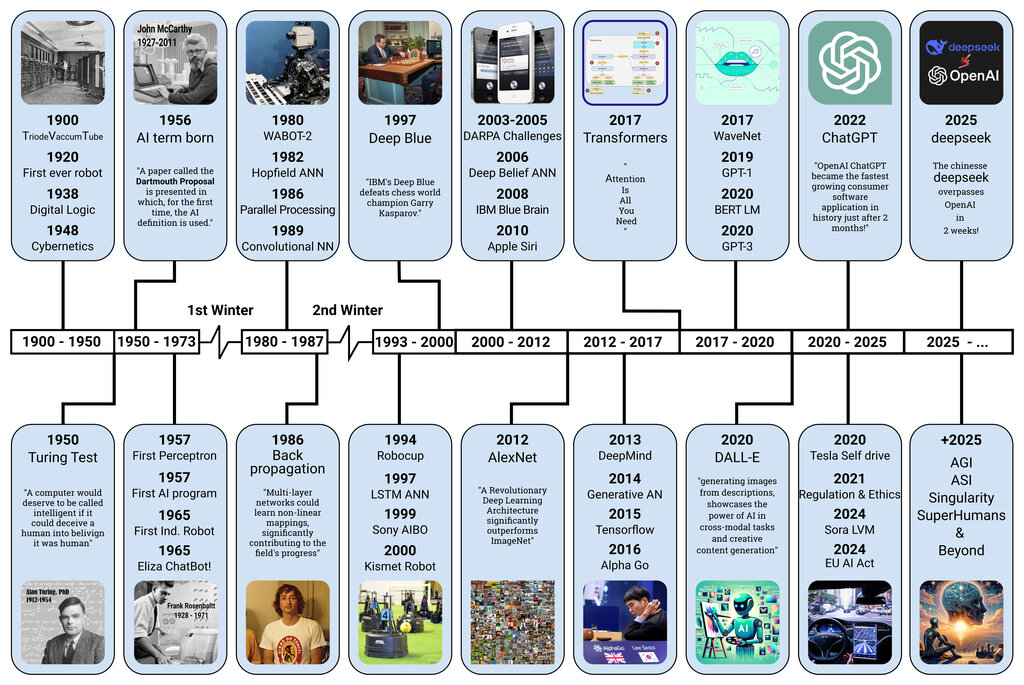
Things picked up again in the 1980s and have accelerated dramatically in the 21st century. The rise of powerful computers and the availability of massive amounts of data have fueled huge breakthroughs, making AI a part of our daily lives.
The Branches of AI
AI is a big family with many specialized members. You can think of it as an umbrella term that covers several different subfields. Let's look at a few of the most important ones.
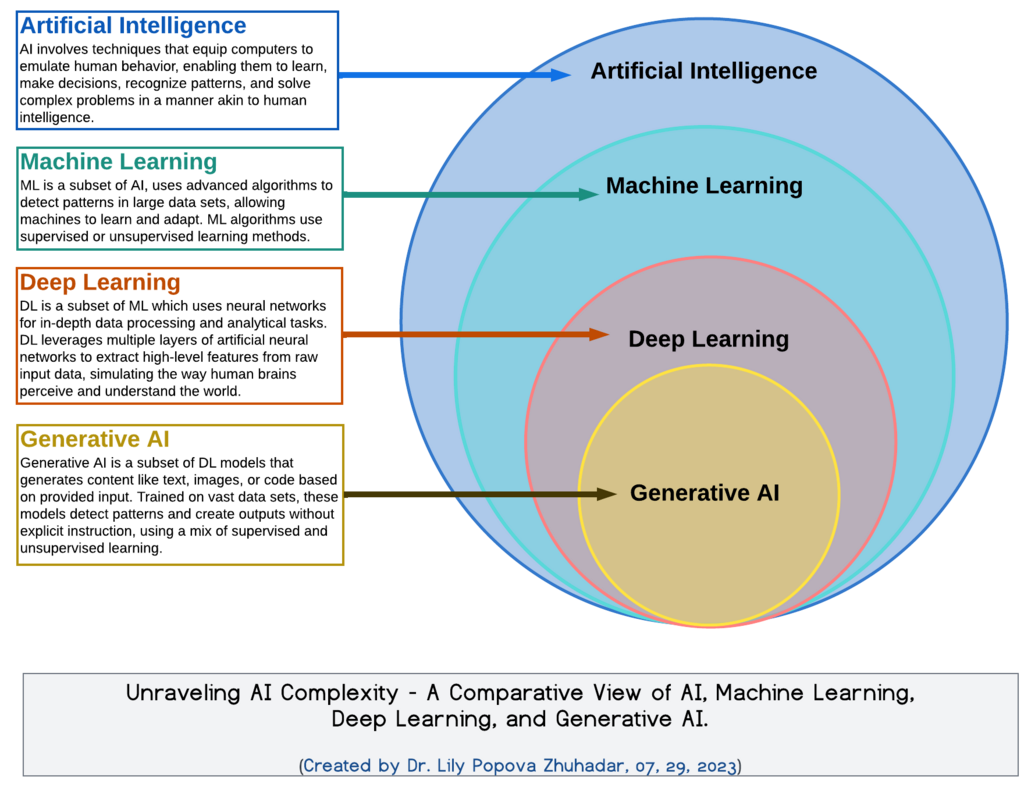
Machine Learning
noun
A subfield of AI where computer systems are trained to learn from data, identify patterns, and make decisions with minimal human intervention.
Machine Learning (ML) is one of the most common types of AI today. Instead of programming a computer with explicit instructions for a task, ML allows it to learn from data. The more data it processes, the better it gets. This is the technology behind recommendation engines that suggest movies you might like or apps that predict traffic.
Natural Language Processing (NLP) focuses on the interaction between computers and human language. NLP makes it possible for machines to read, understand, and generate text and speech. Digital assistants like Siri and Alexa, as well as translation services like Google Translate, all rely on NLP.
Robotics is another key branch. This field involves designing, building, and operating robots to perform physical tasks. While some robots are programmed to do repetitive jobs, like on an assembly line, advanced robotics incorporates AI to allow machines to navigate and interact with the physical world in more complex ways. This can range from warehouse robots that sort packages to rovers exploring the surface of Mars.
These subfields often overlap and work together. A self-driving car, for instance, uses machine learning to recognize pedestrians, NLP to understand voice commands, and robotics to physically control the car. Now, let's test your understanding of these foundational ideas.
What is the primary goal of Artificial Intelligence?
The term "artificial intelligence" was first used at a workshop that took place in which decade?
AI is a powerful and rapidly evolving field. Understanding its basic definition, history, and major branches provides a solid foundation for exploring its more advanced applications.