Unsung Emperors of Rome
Introduction to Roman Emperors
The First Citizen of Rome
After centuries as a Republic governed by elected officials, Rome underwent a dramatic transformation. Civil wars had shattered the old system, and power became concentrated in one man. This new leader wasn't called a king—a hated title in Rome. Instead, he adopted titles like Princeps, meaning "first citizen," and Augustus, meaning "revered one." But make no mistake, the Roman emperor was the ultimate authority.
The emperor was the commander-in-chief of the army, the final judge in legal matters, and the chief priest of the state religion. He had the power to propose laws, veto the Senate, and control the treasury. His authority touched every aspect of Roman life, from the grand strategy of the empire to the grain supply that fed its citizens.
The Big Names
When we think of Roman emperors, a few key figures often come to mind. These rulers left an indelible mark on the empire, for better or worse. Their reigns highlight the immense impact a single individual could have on the course of history.
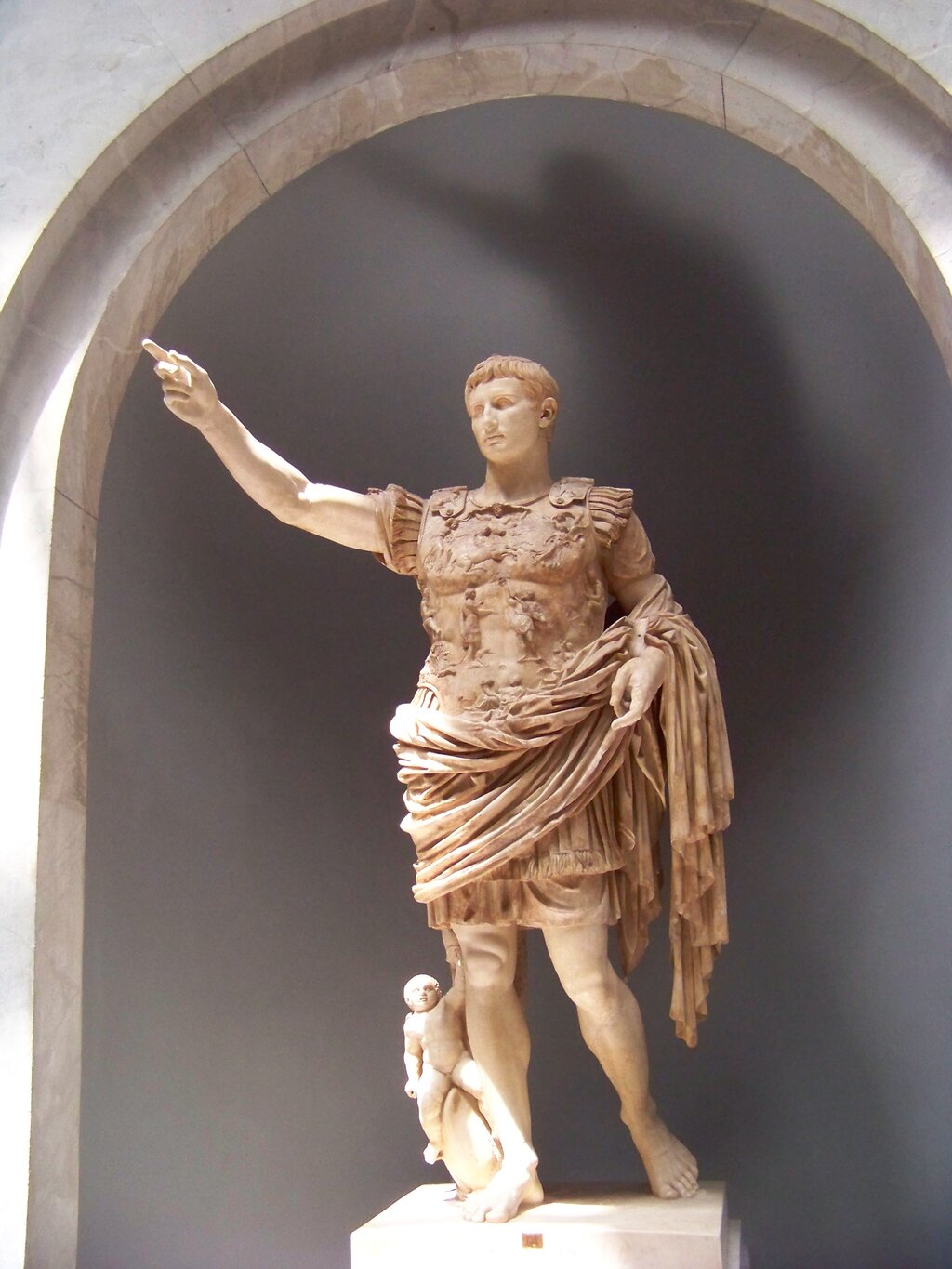
Augustus (27 BC - 14 AD): The first emperor. He ended a century of civil war and ushered in the Pax Romana, or Roman Peace, a period of relative stability that lasted for two centuries. He reformed the military, the government, and the tax system, laying the groundwork for the empire's long-term success.
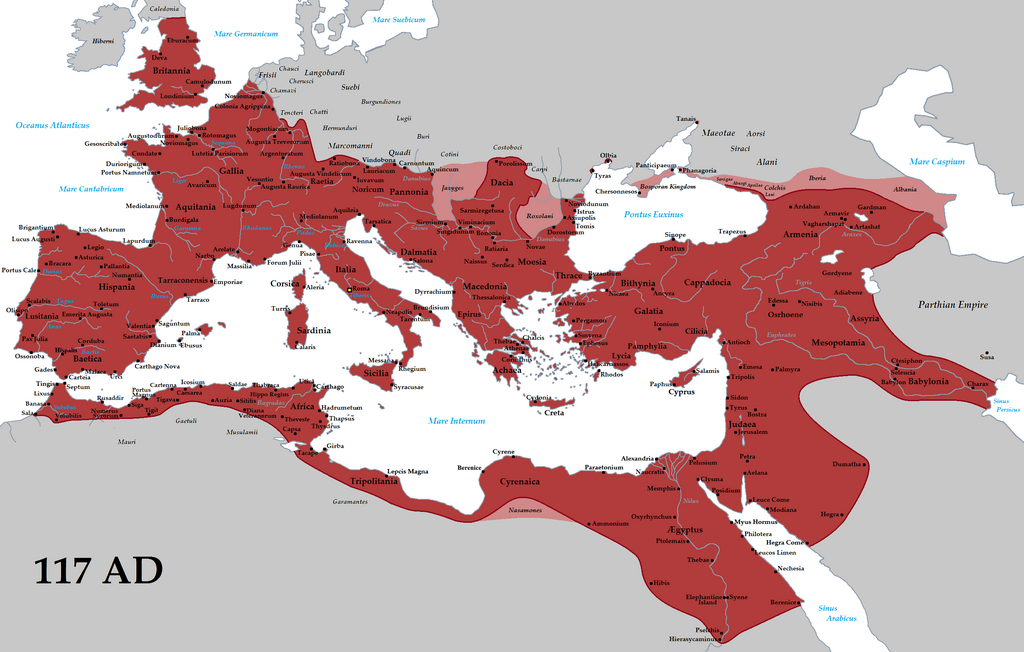
Other emperors are remembered for different reasons. Trajan presided over the empire at its largest territorial extent, overseeing massive public building projects. In contrast, figures like Nero are infamous for their cruelty and extravagance, serving as cautionary tales of absolute power.
Later, an emperor like Constantine the Great would fundamentally change the empire's character by legalizing Christianity and moving the capital to a new city, Constantinople. These famous names are just a handful of the dozens who ruled Rome, each facing unique challenges and leaving their own legacy.
Life Under an Emperor
The emperor sat at the absolute top of Roman society. Below him, the old structures of the Republic remained, but their power was greatly diminished. The Senate, once Rome's primary governing body, still existed. It was filled with the wealthiest and most influential men in Rome, but it mostly served to legitimize the emperor's decisions rather than make its own.
An emperor's survival often depended on one key group: the army. The legions were the source of hard power in the empire. Keeping the soldiers paid, supplied, and loyal was a primary concern for any ruler. Many emperors rose to power as successful generals, and many were overthrown when they lost the army's support. This created a delicate balance where the emperor had to project strength and competence to both the political elite in Rome and the soldiers on the frontiers.
This imperial system, with its clear hierarchy and reliance on military might, defined the Roman world for nearly 500 years in the West and for another thousand in the East. It was a structure that allowed for both incredible stability and shocking volatility, all depending on the person who sat on the throne.
Ready to check your understanding?