Unsubstantiated Personal Attacks
Introduction to Political Image
The Leader's Public Face
Every political leader has a public face, a persona crafted from their words, actions, and even their appearance. This overall impression is their political image. It's not just about what they do, but how the public perceives what they do. Think of it as a brand. Just like a company cultivates a brand to attract customers, a politician shapes an image to win over voters.
image
noun
A representation of the external form of a person or thing; the general impression that a person, organization, or product presents to the public.
This image isn't built overnight. It’s a complex mix of many factors, from carefully planned speeches to spontaneous, unscripted moments. A leader’s personality plays a huge role. Are they seen as warm and relatable, or strong and decisive? Do they connect with people through humor or through serious, thoughtful arguments? Their communication style, body language, and even their family life all contribute to the picture.
Public perception is rarely based on policy details alone. It's often driven by gut feelings and the overall character a leader projects.
Actions, of course, speak louder than words. The decisions a leader makes, the laws they sign, and how they handle crises become key parts of their public story. The media also acts as a powerful lens, shaping how these actions are presented and interpreted by the public. A single photo or news headline can reinforce or completely change a political image.
Images Through History
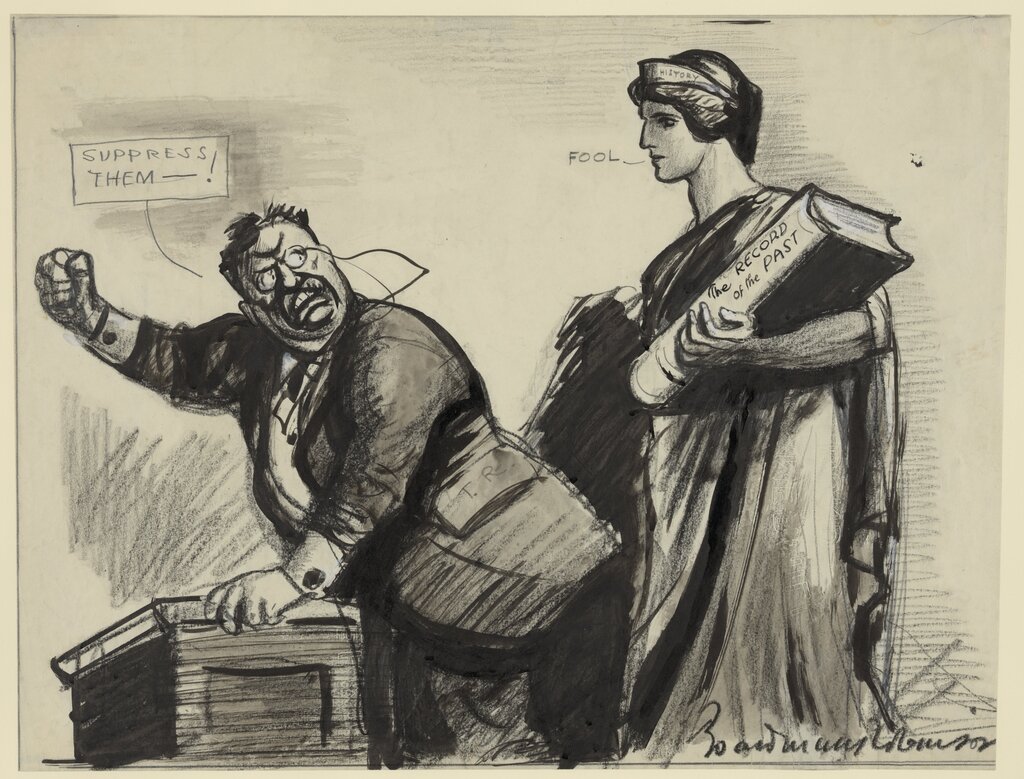
History is filled with leaders who mastered the art of public image. Theodore Roosevelt cultivated the persona of a rugged, energetic outdoorsman. He was photographed in his Rough Rider uniform and on safari, projecting an image of strength and adventure that matched his bold political agenda.
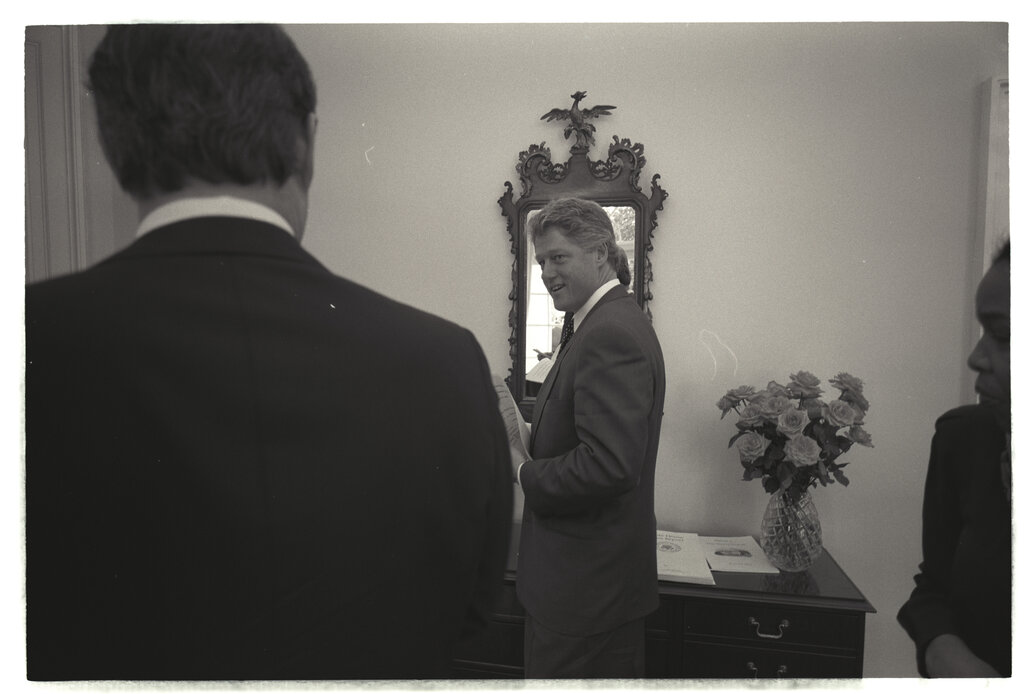
In contrast, Bill Clinton built an image as an empathetic, policy-savvy modern leader. His town hall appearances, where he would listen intently to voters' concerns, and his famous saxophone performance on The Arsenio Hall Show made him seem relatable and in touch with popular culture. He was seen as a leader who could feel the public's pain.
These examples show that there isn't one single way to build a successful political image. What works depends on the person, the political climate, and what voters are looking for in a leader. The key is consistency between the projected image and the leader's actions. When that connection breaks, public trust can quickly fade.
What is the primary purpose of a political image, as described in the text?
According to the provided examples, Theodore Roosevelt's image as a 'rugged, energetic outdoorsman' was designed to project an idea of...