Unstuck Identity Shift
Understanding Identity and Personal Growth
What Is Identity?
Your identity is the story you tell yourself about who you are. It’s not just your name or your job title, but the collection of beliefs, values, memories, and experiences that create your unique sense of self. It’s your internal compass, guiding how you see the world and your place in it.
Identity
noun
In psychology, identity refers to a person's stable and consistent sense of who they are, encompassing their personal qualities, beliefs, values, and life history.
Think of it like a personal narrative. This story isn’t static—it evolves as you grow, learn, and navigate new situations. The teenager who saw themselves as shy might grow into a confident public speaker. The core of who you are can remain, but the details of your story are constantly being revised.
How Identity Drives Behavior
Your sense of self quietly shapes your daily actions. The way you behave is often an attempt to be consistent with the person you believe yourself to be. If you identify as a responsible person, you’re more likely to pay your bills on time and keep your promises. If you see yourself as an adventurous person, you’ll probably say yes to a spontaneous road trip.
This connection works both ways. Our thoughts and core beliefs about ourselves influence our feelings and actions, and those actions, in turn, reinforce our beliefs. It’s a continuous feedback loop.
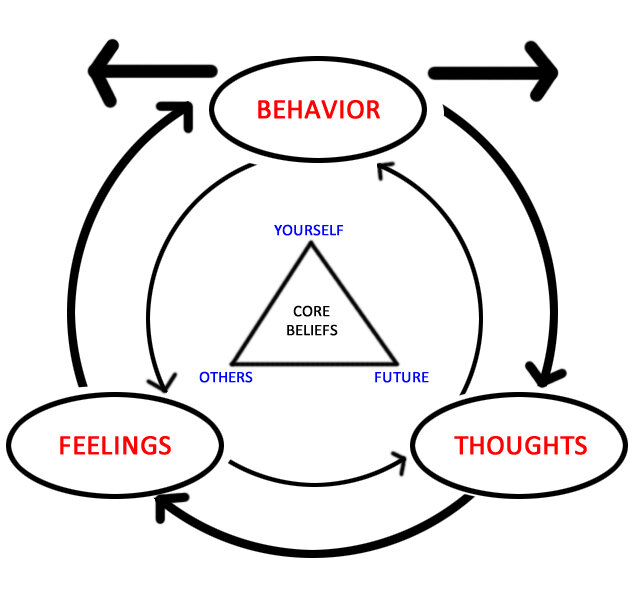
When your actions align with your identity, life tends to feel more authentic and fulfilling. But when there’s a mismatch—when you act in a way that contradicts your sense of self—it can create internal conflict or a feeling of being stuck. For example, someone who values health but regularly eats junk food might experience guilt or frustration because their actions don't match their identity.
Your behavior is a reflection of your identity. Every action you take is a vote for the type of person you wish to become.
Shaping Your Sense of Self
While identity feels deeply personal, it’s not set in stone. We have the ability to consciously shape it through personal growth. Personal growth is the process of understanding and developing yourself to reach your full potential. It’s about becoming more self-aware and intentionally cultivating positive habits and mindsets.
There are many paths to personal growth. Some common activities include:
| Activity | Description |
|---|---|
| Therapy | Working with a professional to explore your thoughts, feelings, and behaviors in a supportive environment. |
| Self-Help | Using resources like books, podcasts, or workshops to learn new skills and perspectives. |
| Coaching | Partnering with a coach to set and achieve specific personal or professional goals. |
| Mindfulness | Practicing techniques like meditation to increase awareness of the present moment without judgment. |
These activities aren't about becoming a different person. Instead, they help you gain clarity on the person you already are and want to be. By examining your internal story, you can identify the parts that no longer serve you and begin writing new, more empowering chapters.
Invest in Personal Development: Invest in yourself through ongoing learning, skill development, and personal growth initiatives.
Engaging in personal growth directly impacts your self-concept—the collection of beliefs you hold about yourself. As you learn more about your own patterns and strengths, your self-concept can shift. You might start seeing yourself as more resilient, capable, or compassionate. This updated self-concept then fuels new behaviors, creating a positive cycle of growth.
Ready to check your understanding?
According to the text, what is the best description of personal identity?
The text suggests that our actions are often an attempt to be consistent with the person we believe ourselves to be. This illustrates a continuous ______.
Understanding the link between who you are and what you do is the first step toward creating meaningful change in your life.