Unsealing the Epstein Files
Unsealing Legal Mechanics
The Public's Right to Know
Court cases are not secret affairs. In the United States, there's a strong presumption that judicial proceedings and the documents they generate should be open to the public. This idea is rooted in two key legal principles: the First Amendment, which guarantees freedom of the press, and the to judicial documents. This right ensures government transparency and fosters public confidence in the justice system. It's the reason you can look up most court filings online.
But this right isn't absolute. Courts can, and often do, seal documents to protect sensitive information, such as trade secrets, personal privacy, or the safety of individuals. The civil case of Giuffre v. Maxwell became a major battleground over this very tension. The lawsuit contained thousands of pages of documents, many naming powerful individuals in connection with Jeffrey Epstein's sex trafficking ring. While the case settled, the fight over the documents was just beginning.
The Fight to Unseal
The push to make the Giuffre v. Maxwell documents public wasn't led by the original parties. Instead, non-parties, most notably the Miami Herald newspaper, filed motions to intervene. An intervenor is an outside party with a strong interest in the outcome of a case, and here, the interest was the public's right to know. They argued that the significant public interest in a case involving widespread sexual abuse outweighed the privacy interests of those named in the files.
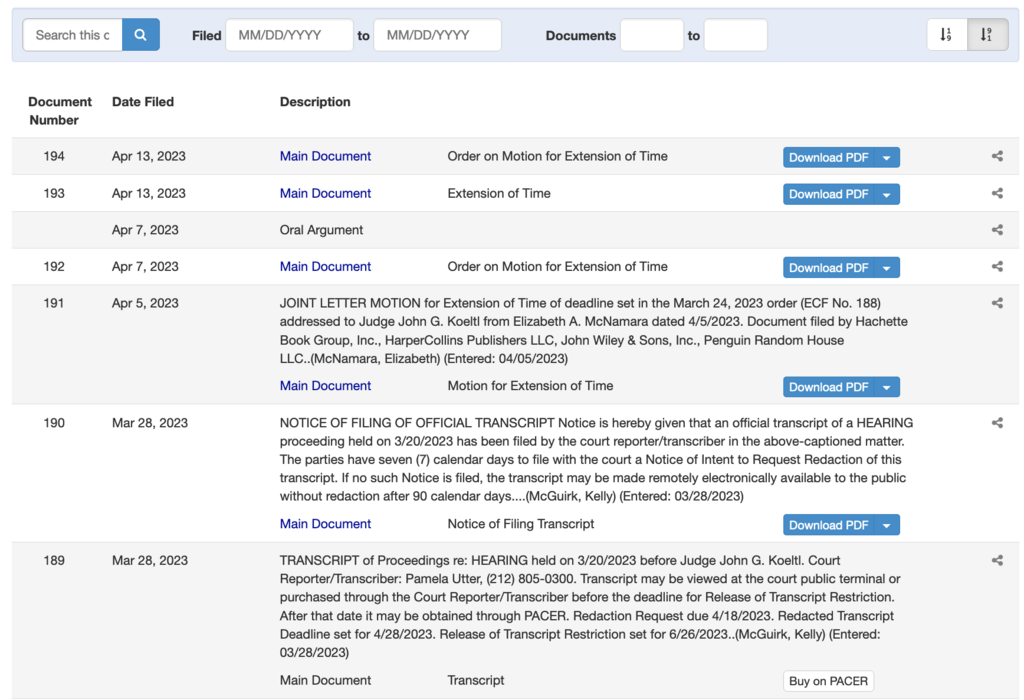
The task of ruling on these motions fell to U.S. District Judge Loretta Preska in New York. She had to apply a specific legal test. The first question was whether a document was a 'judicial document' at all. Generally, documents filed with the court that are used by a judge to make a ruling are considered judicial documents, and the presumption of public access is very strong. In contrast, materials shared between parties during the private 'discovery' phase of a lawsuit, but never submitted to the court for a decision, have a much lower presumption of access.
The legal distinction is crucial. Materials simply exchanged between lawyers are not the same as evidence used to decide a case. Only the latter triggers a strong right of public access.
For every document deemed 'judicial,' Judge Preska then performed a balancing test. She had to weigh the powerful presumption of public access against any countervailing factors, such as the privacy interests of individuals mentioned in the records. Just being associated with Epstein was highly damaging, so she had to carefully consider whether each mention truly served the public interest in understanding the judicial process or merely satisfied 'a morbid and prurient curiosity.'
The 'Doe' Protocol
This wasn't a simple 'unseal everything' decision. The court established a methodical process for the 187 individuals who were mentioned in the documents but were not parties to the case. These individuals were referred to as 'Does.'
First, Judge Preska's team would review a batch of documents and identify any Does who were named. The lawyers for Maxwell and Giuffre were then ordered to make a good-faith effort to notify these individuals. This gave each Doe a chance to object and make their own case to the court for why their name should remain under seal. Some did object, arguing their privacy rights should prevail. Others remained silent, which was often interpreted as a waiver of their right to object.
Only after this multi-step process was complete would Judge Preska issue an order to unseal a specific set of documents, often with certain names or details still blacked out. This careful, person-by-person procedure demonstrates the judiciary's attempt to honor the public's right to information while still protecting the legitimate privacy concerns of third parties swept into a sprawling and sordid case.
What are the two primary legal principles that support the public's right to access judicial proceedings and documents in the United States?
In the context of the Giuffre v. Maxwell case, what is an 'intervenor'?
This case highlights the intricate legal mechanics that govern what we see and don't see in the justice system. It's a constant balancing act between transparency and privacy, adjudicated one document at a time.