Unraveling the Salem Witch Trials
Puritan New England Society
A City Upon a Hill
The Puritans who sailed to the Massachusetts Bay Colony in the 1630s weren't just seeking new land. They were on a divine mission. Led by figures like John Winthrop, they aimed to build a perfect society, a “city upon a hill” that would serve as a shining example of godly living for the rest of the world to see.
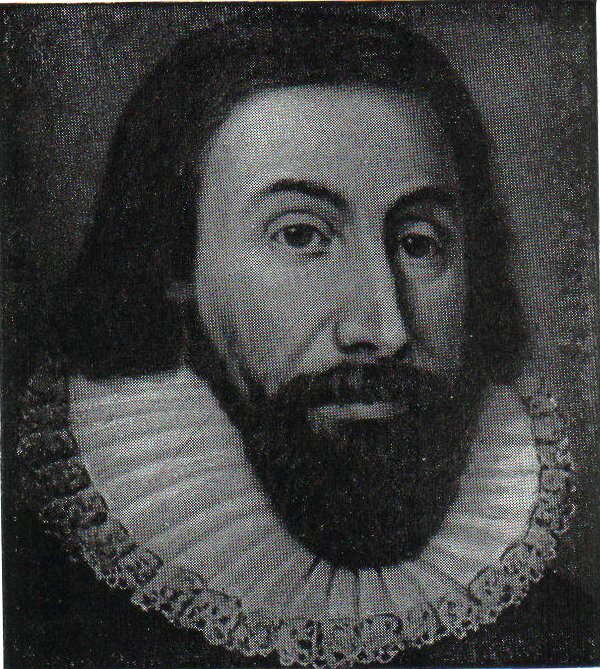
This mission was rooted in a strict and demanding set of religious beliefs. Puritans believed humanity was tainted by original sin, a corrupt state inherited from Adam and Eve. Salvation, they argued, was not earned through good deeds but was predetermined by God before birth. This doctrine shaped every aspect of their lives.
Predestination
noun
The Calvinist doctrine that God has eternally chosen those whom he intends to save. This divine decree is unconditional and not based on any foreseen merit in the individual.
Although their fate was sealed, Puritans believed that the “elect” — those chosen for salvation — would show outward signs of their status. A key sign was a personal conversion experience, a profound moment of spiritual awakening. This experience had to be publicly described and approved by the church elders before an individual could become a full member of the church. Life became a constant search for evidence of God’s grace, a process of intense self-examination and scrutiny of one's neighbors.
The Covenant Community
Puritan society was built on the idea of the covenant, a sacred agreement. They believed they had a covenant with God to create a moral society. In turn, each member had a covenant with the community to uphold its rules and support one another. This created tight-knit, but highly controlled, communities.
There was no room for individualism. The needs of the community always came before the needs of the individual. Conformity was not just expected; it was enforced. The structure of their towns reflected this, with the meetinghouse — used for both worship and town meetings — placed at the very center.
Everyone was expected to watch everyone else. Neighbors were responsible for monitoring the spiritual and moral health of those around them. This system of mutual surveillance, known as “holy watching,” meant that private life was very public. Gossip and rumor were powerful tools for enforcing social norms, and public confession and punishment for sins were common.
Order in the Commonwealth
In Puritan Massachusetts, there was no separation of church and state. The government's primary purpose was to enforce God's laws. The legal code was based heavily on the Old Testament, and sins like blasphemy, adultery, and failing to attend church were treated as civil crimes. Only full church members, the visible saints who had proven their conversion, could vote or hold public office. This created a theocracy, a government run by religious authorities who ruled in the name of God.
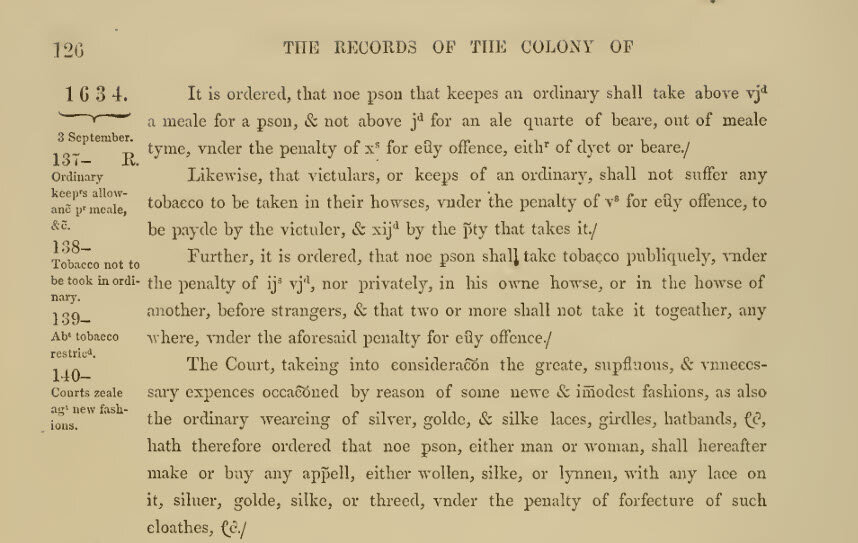
The church was the undisputed center of life. Attendance was mandatory, with sermons often lasting for hours. The meetinghouse was not just a place of worship but the hub of all community activity, where laws were made, disputes were settled, and punishments were announced. The minister was the most influential figure in town, acting as a spiritual guide, teacher, and civic leader.
In this society, religious dissent was seen as a threat to the entire community's stability and its covenant with God.
Life was also strictly patriarchal. Men were the heads of their households and held all positions of authority in the church and government. A woman's role was to be a wife and mother, managing the household and raising godly children. While women were seen as spiritually equal to men, they were considered inferior in all other respects. They were expected to be submissive, modest, and silent in public affairs. A woman who was outspoken, independent, or challenged male authority was viewed as disorderly and a danger to the social fabric.
John Winthrop described the Puritan's mission in Massachusetts Bay as building a "city upon a hill." What did he mean by this?
According to Puritan belief, salvation was predetermined by God (a doctrine known as predestination). If one's fate was already sealed, why was a public conversion experience so important?
This tightly controlled, anxious, and deeply religious society created a unique set of pressures. It was a world where belief in the supernatural was universal, and the lines between sin and crime, church and state, were completely blurred.