Unraveling the Financial Statement Links
Introduction to Financial Statements
Your Company's Financial Story
Think of a company's financial statements as its report card. They tell you how well the business is doing, where its money comes from, and where it goes. By learning to read them, you can understand the financial health of any company, from a local coffee shop to a global tech giant.
The three primary financial statements are the income statement, cash flow statement, and balance sheet.
These three reports provide different views of a company's performance and position. Together, they paint a complete picture. Let's look at each one.
The Income Statement
The income statement, also known as the Profit and Loss (P&L) statement, shows a company's financial performance over a specific period, like a quarter or a year. It’s like a video recording of the business's operations during that time.
It starts with revenue, the money earned from sales. Then, it subtracts all the costs and expenses incurred to generate that revenue. The final result is the famous "bottom line": net income or net loss.
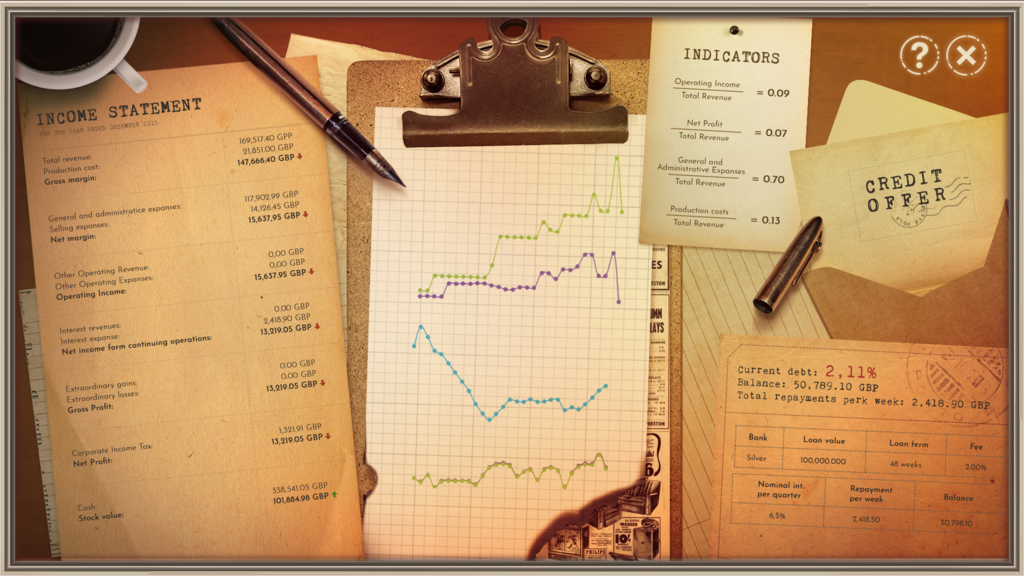
The core idea is simple.
In short, the income statement answers the question: Is the company profitable?
The Balance Sheet
While the income statement is a video, the balance sheet is a snapshot. It shows a company's financial position at a single point in time, like the last day of the quarter or year. It reveals what a company owns (assets) and what it owes (liabilities). The difference between the two is the owners' stake, known as equity.
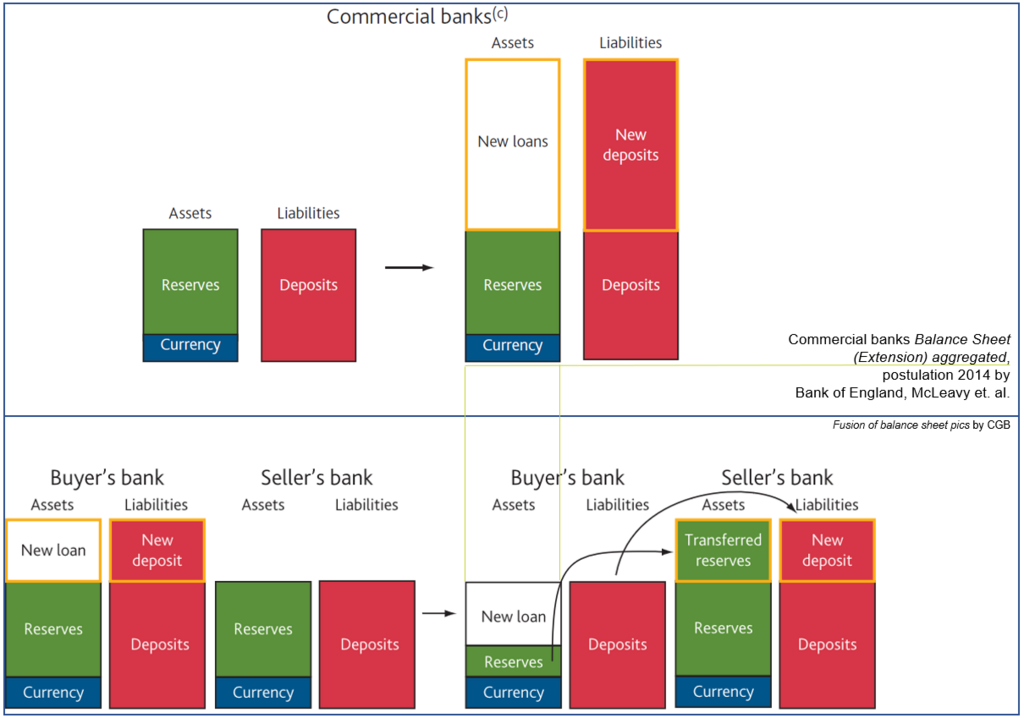
The balance sheet gets its name because it must always balance, following the fundamental accounting equation.
This means everything the company owns was paid for either by borrowing money (liabilities) or with funds from its owners (equity).
The Cash Flow Statement
Profit is important, but cash is king. A company can be profitable on paper but still run into trouble if it doesn't have enough cash to pay its bills. The cash flow statement tracks the movement of cash into and out of the company over a period.
It breaks down cash activities into three main areas: operations (day-to-day business), investing (buying or selling assets like equipment), and financing (borrowing money or paying back investors). This statement helps you see if a company is generating enough cash to sustain itself.
The cash flow statement answers the question: Where is the company's cash coming from and where is it going?
How They Work Together
These three statements are not independent; they are deeply connected and tell a cohesive story. For instance, the net income from the income statement is a key component in the cash flow statement. It's also used to calculate retained earnings, which then appears in the equity section of the balance sheet.
Understanding how these statements link together is the key to getting a full view of a company's financial situation. No single statement tells the whole story, but together, they provide a powerful lens into the business.
Which financial statement is analogous to a 'snapshot' of a company's financial position at a single point in time?
The fundamental accounting equation that provides the structure for the Balance Sheet is: