Unpacking Southern Gothic Literature
Defining Southern Gothic
Beneath the Magnolias
Forget misty European castles and vampires in the night. Southern Gothic literature finds its horror in the bright, sweltering daylight of the American South. It's a subgenre that peels back the veneer of Southern charm and hospitality to reveal a world of decay, secrets, and deeply flawed humanity.
Emerging in the early 20th century, Southern Gothic took the traditional elements of Gothic fiction—mystery, suspense, and the supernatural—and planted them in a uniquely American landscape. Instead of ancient ruins, authors used decaying plantation manors, dusty small towns, and overgrown swamps as their backdrops. The genre explores the lingering ghosts of the South's troubled history.
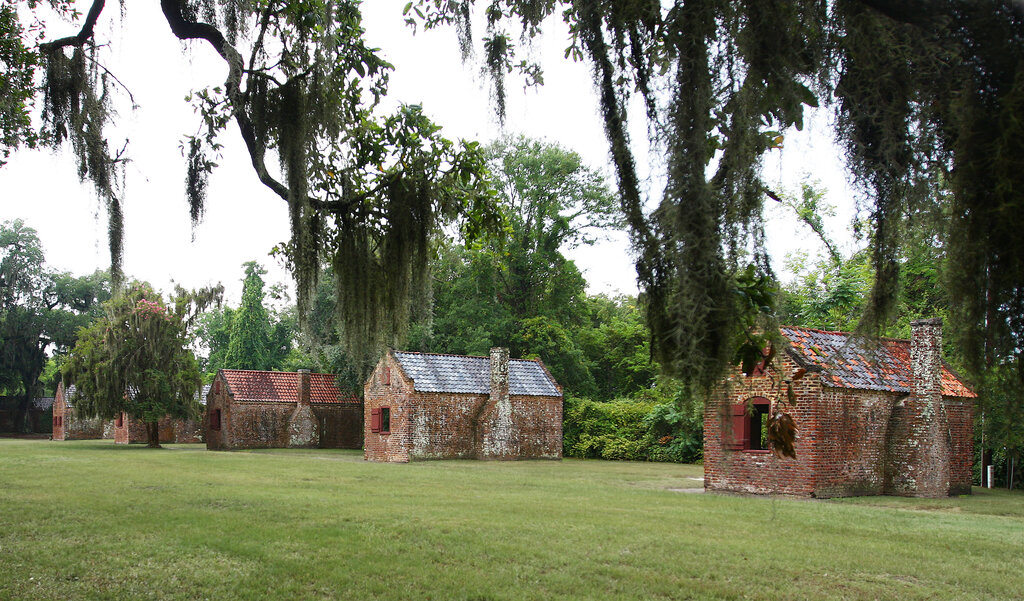
Flawed Characters and Faded Glory
The people who inhabit these stories are seldom straightforward heroes or villains. Southern Gothic is known for its use of the grotesque. This doesn't always mean physical deformity, but rather characters who are emotionally, spiritually, or morally twisted. They are often outsiders, struggling with their place in a rigid and unforgiving society.
Grotesque
adjective
In literature, a character or situation that is distorted, bizarre, or fantastically strange. In Southern Gothic, it often refers to characters with deep-seated psychological or moral flaws.
The settings are characters in their own right. A crumbling mansion isn't just a house; it's a symbol of a decaying social order and a family's lost fortune. The oppressive heat and humidity of the Southern climate often mirror the simmering tensions and repressed desires of the people living there. Everything is ripe, and everything is on the verge of rotting.
Wrestling with History
Southern Gothic literature couldn't exist without the unique history and culture of the American South. The genre is deeply entangled with the region's unresolved issues: the legacy of slavery, racial inequality, religious fundamentalism, and the stubborn pride of a society defeated in the Civil War. The stories often grapple with the weight of the past and how it continues to haunt the present.
Instead of ghosts, Southern Gothic is haunted by history.
These are not simple morality tales. The genre explores the darker side of human nature, questioning social norms and exposing the hypocrisy that can lie beneath a surface of respectability. It confronts uncomfortable truths about poverty, violence, and alienation, making it a powerful and often unsettling form of social commentary.
Ready to test your understanding of this unique genre?
What is a primary characteristic that distinguishes Southern Gothic from traditional Gothic literature?
In Southern Gothic literature, the term "grotesque" most often refers to characters who are:
By exploring the shadows of the American South, Southern Gothic creates a rich, complex, and enduring literary tradition.