Unpacking Machiavelli's The Prince
Introduction to Machiavelli and Renaissance Italy
The Man and His Time
Niccolò Machiavelli was a man shaped by a chaotic world. Born in Florence in 1469, he came of age during the height of the Italian Renaissance, a time of incredible artistic and intellectual achievement. But it was also a period of intense political instability. To understand his famous and often controversial ideas, we first need to understand the world he lived in.
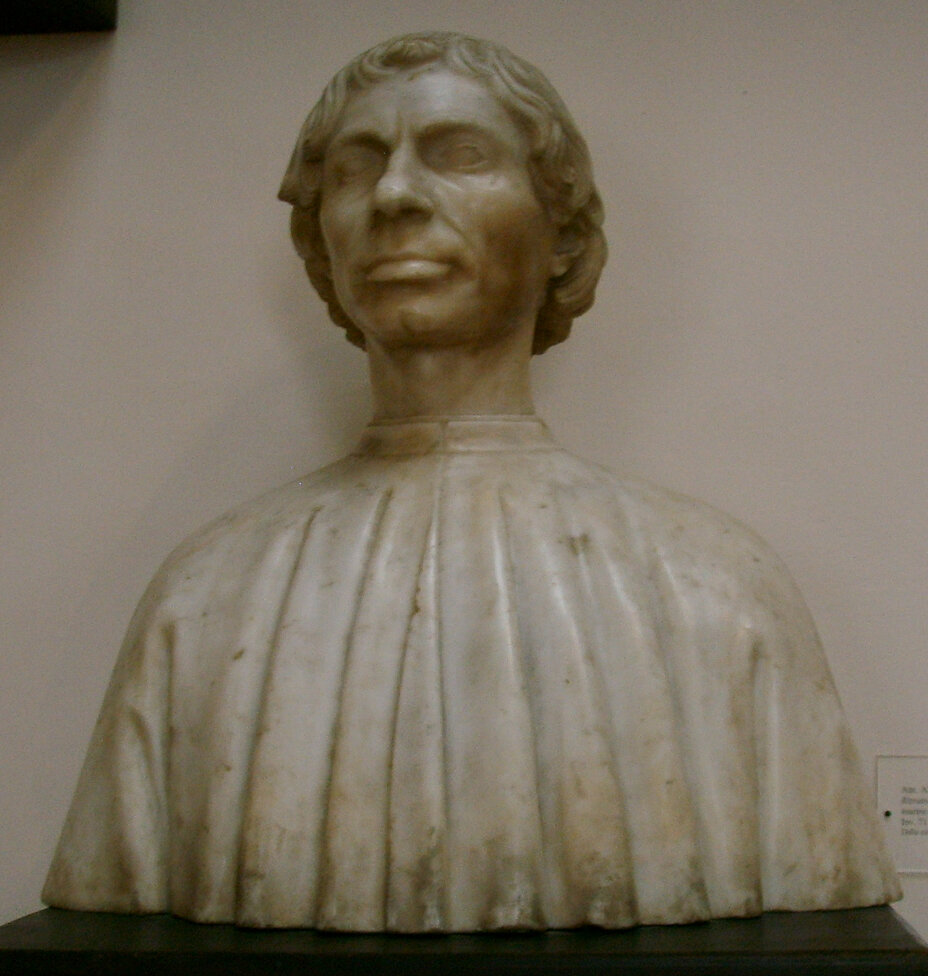
For much of his career, Machiavelli was not a philosopher but a civil servant. He worked as a diplomat for the Florentine Republic, traveling on missions to the major powers of Italy and Europe. This job gave him a front-row seat to the brutal realities of power politics, where alliances shifted like sand and betrayal was a common tool of statecraft. He saw firsthand what leaders did to gain and maintain control.
A Fractured Land
Unlike modern nations such as France or Spain, Italy in the 15th and 16th centuries was not a unified country. It was a patchwork of competing territories, a collection of city-states, kingdoms, and papal lands, all vying for dominance. Think of it less as a single nation and more like a neighborhood of rivals, each with its own army, government, and ambitions.
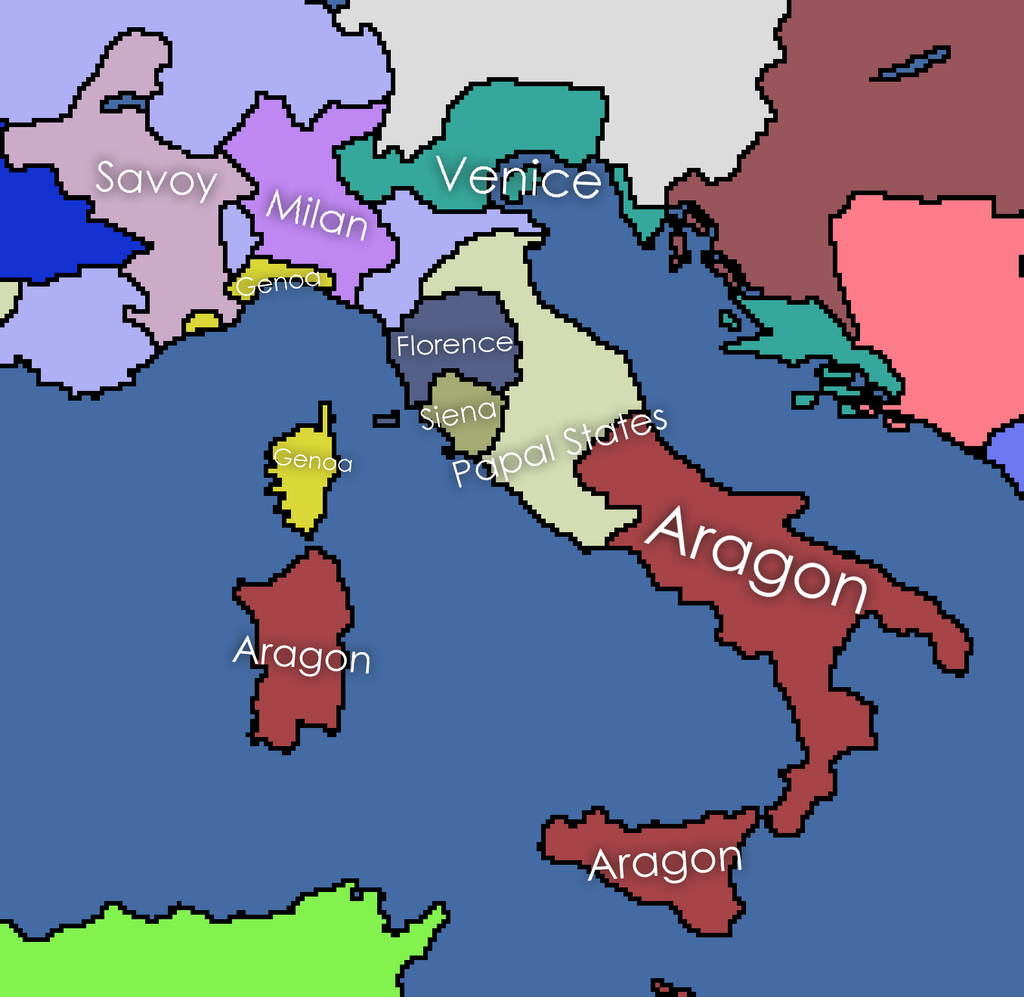
These city-states, like Florence, Venice, and Milan, were centers of trade, art, and wealth. But their very independence made the region volatile. A powerful state might try to conquer a weaker neighbor, or form a temporary alliance to curb the power of another. This constant conflict created a tense, unpredictable environment.
| City-State | Main Source of Power |
|---|---|
| Florence | Banking and trade (Medici family) |
| Venice | Maritime trade and naval strength |
| Milan | Military power (Sforza family) |
| Papal States | Religious authority and land control |
Foreign Interference
The internal squabbles of the Italian city-states made the peninsula vulnerable to its larger, more unified neighbors. The kings of France and Spain, along with the Holy Roman Emperor, saw Italy's wealth as a prize to be won. They regularly invaded, using the rivalries between the city-states to their advantage by backing one side against another.
This meant that an Italian ruler not only had to worry about their immediate neighbors but also about massive foreign armies marching through their lands.
Machiavelli witnessed this firsthand. He saw Italian leaders fail time and again to unite against foreign threats. He saw mercenaries betray their employers and alliances crumble. This experience convinced him that the old rules of politics, based on Christian morality and tradition, were no longer sufficient for survival. His career as a diplomat ended abruptly when the government he served was overthrown.
Machiavelli was a 16th century diplomat who lost his job in the Renaissance equivalent of a coup d’état.
Forced out of public life, Machiavelli turned to writing. He drew on his deep knowledge of ancient Roman history and his own practical experience in the messy world of Renaissance politics to analyze how power truly works. The volatile, dangerous, and fragmented Italy of his time was the laboratory for his political theories.